Sigma 85mm F1.2 DG | Art Review: Image Quality, Autofocus and Real-World Use
- Marvin Kuhn
- Review , Lens
- September 17, 2026
Table of Contents
The Sigma 85mm F1.2 DG | Art is a prime lens that promises a lot: extreme light transmission, exceptionally shallow depth of field, and a wide-open aperture that’s supposed to deliver uncompromising sharpness. I used it at a kickboxing tournament, the Xplosiv Fight Night, and afterwards during a small portrait shoot in the studio, and after more than 1,000 photos formed an opinion on how it really holds up in everyday use and whether it can keep up.
First Impressions
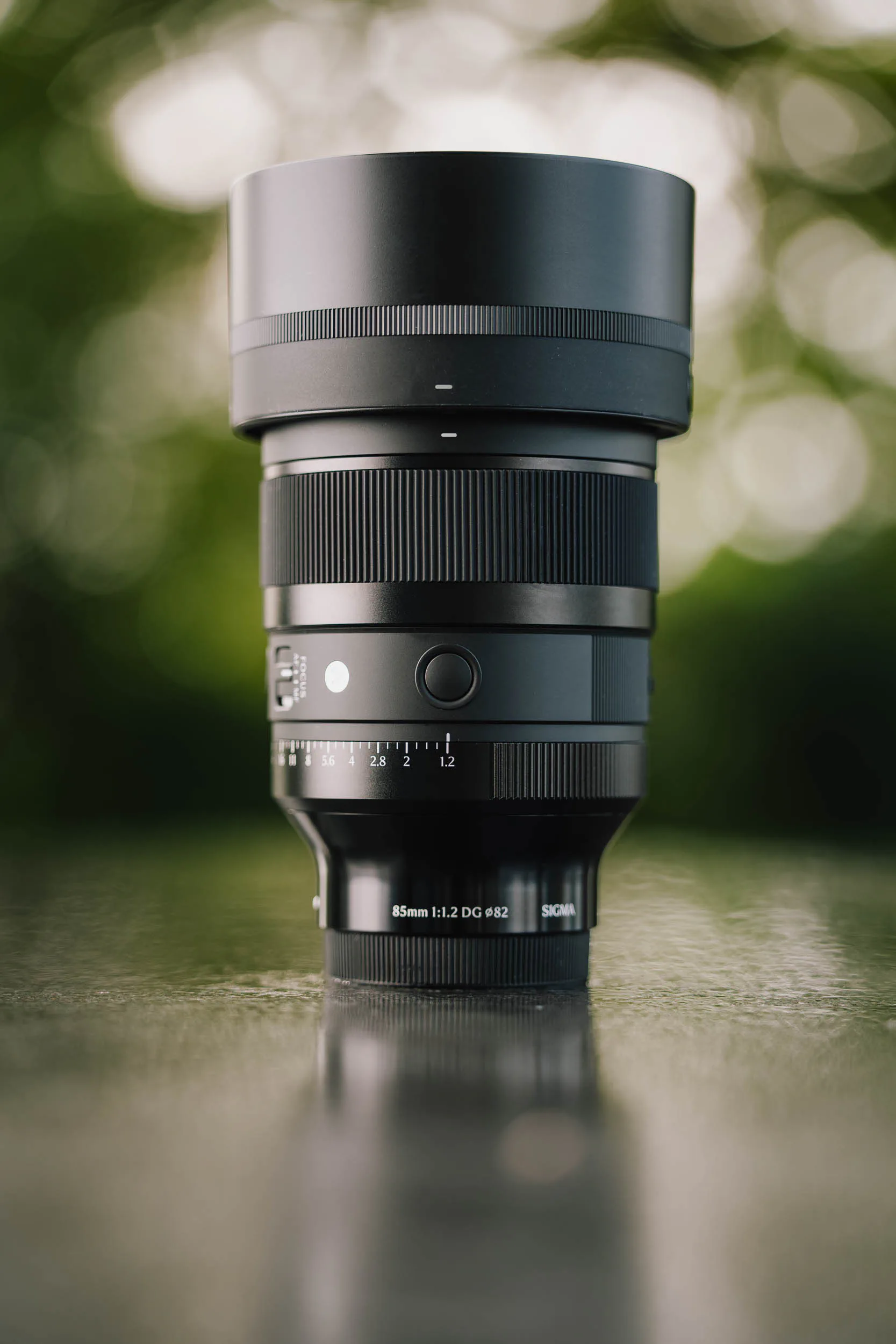
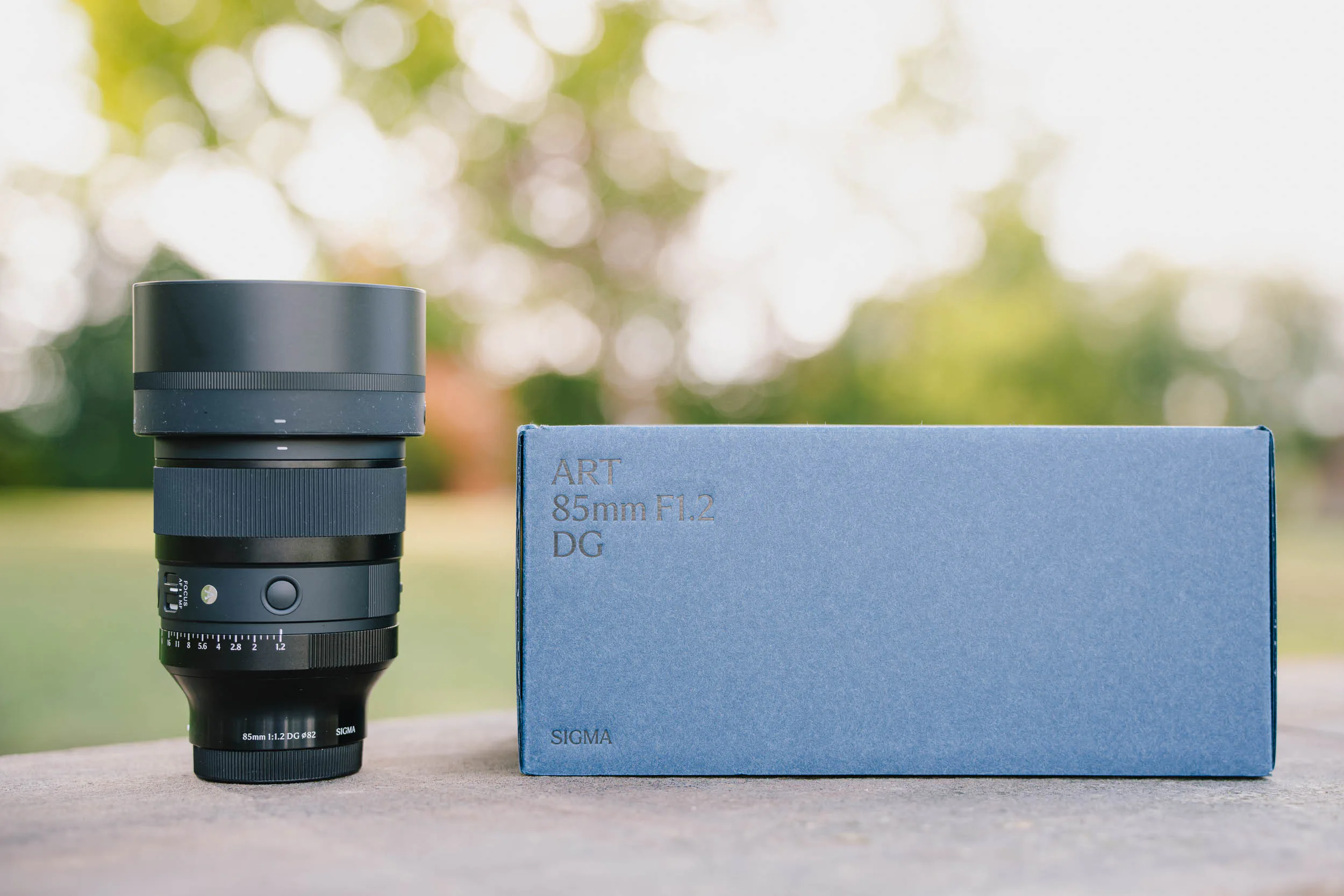
When I started unboxing the Sigma 85mm F1.2 DG | Art, I was just as impressed as I was with the 35mm F1.4 DG II Art. Sigma carries the packaging design consistently through the whole Art line, and you can tell right away that someone put real thought into it. The lens itself is noticeably bigger and heavier than the 35mm, which is hardly surprising at F1.2 on 85mm. It’s still built to the same high standard though: lots of metal, a solid lens hood, and genuinely excellent handling. The focus ring runs buttery smooth, the aperture ring has nice, clearly defined clicks and can also be switched to stepless for video. New is the Dual-HLA autofocus motor, specifically designed for fast, unpredictable movement. Whether it actually delivers on that was something I wanted to find out directly at the Xplosiv Fight Night.
Xplosiv Fight Night: Event and Ring Photography


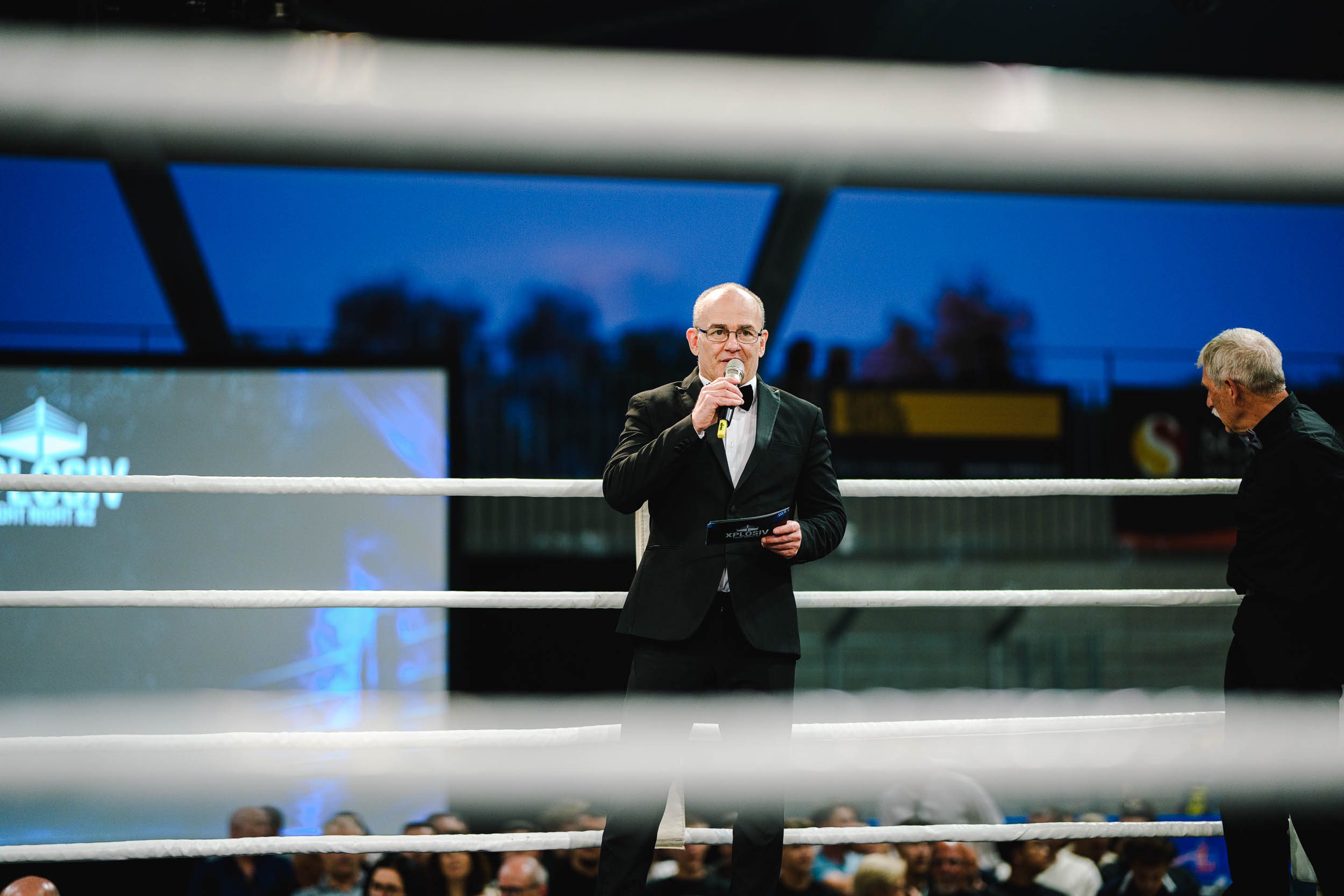


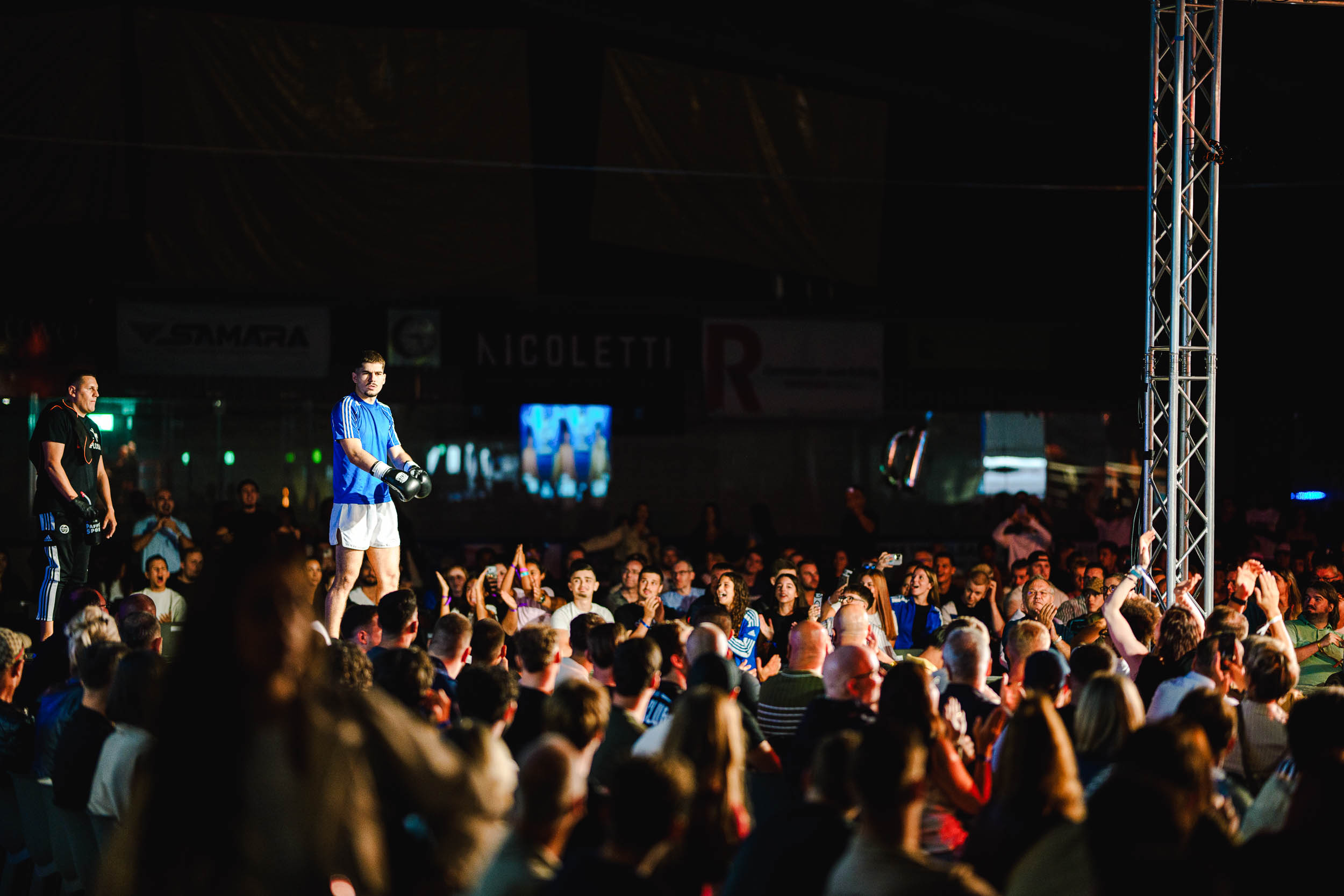
For the classic event photos around the Fight Night, the Sigma was very well suited. The atmosphere at the edges, the crowd, small details like the food stand or the preparation in the corners, all of that could be captured beautifully with the subject separation at F1.2, without the background becoming distracting. For this kind of atmospheric shot, the focal length is almost ideal for me.
What excited me most were the moments when the bell rang for the next fight, when the crowd erupted because their favorite was dominating, or when the winner was finally announced. I wanted to be ready for exactly these moments, camera already up before the emotion faded again. The trophies, too, separated beautifully wide open: the fairly uninteresting background around the stage blurred away nicely, leaving only the trophy itself in focus.

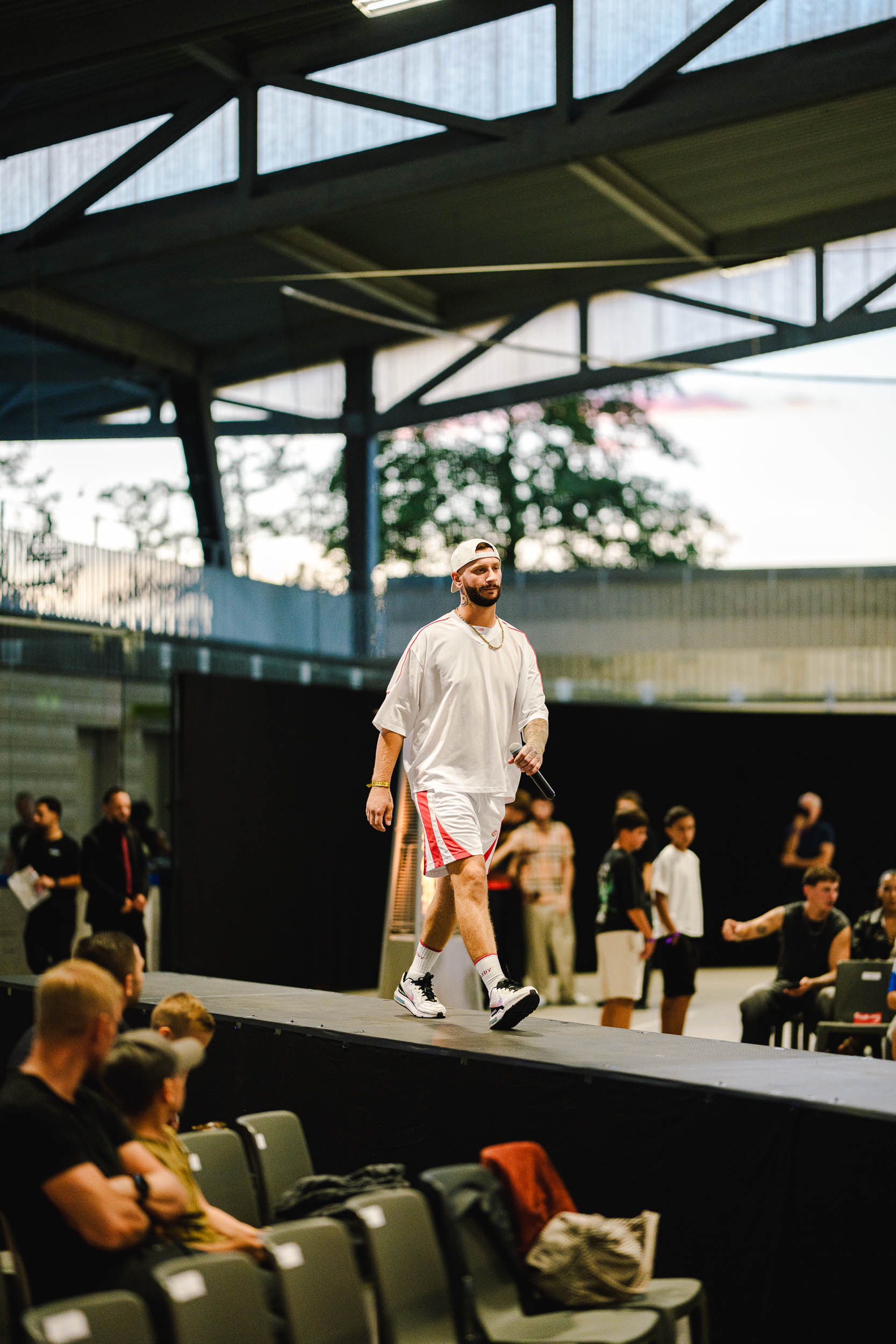
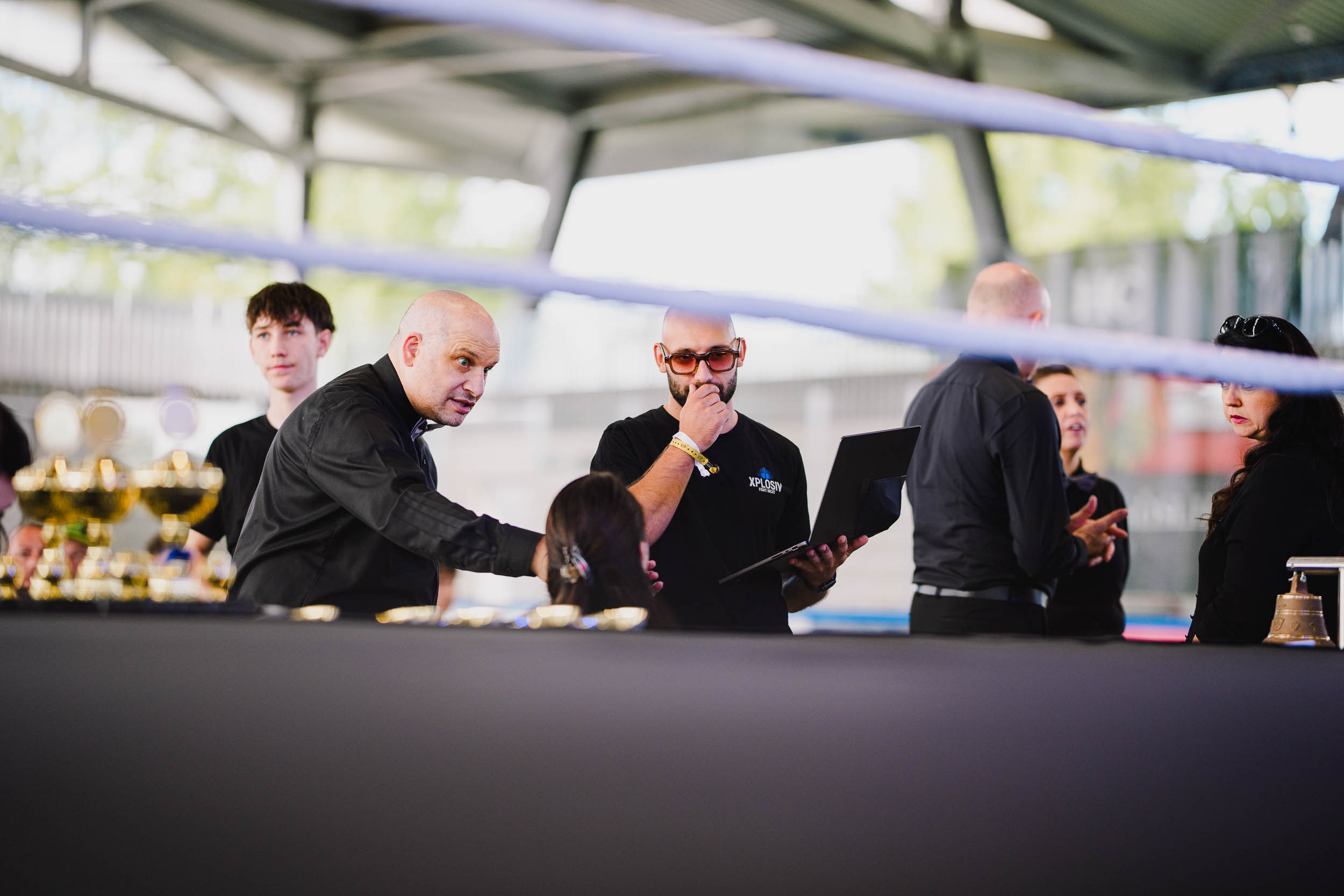



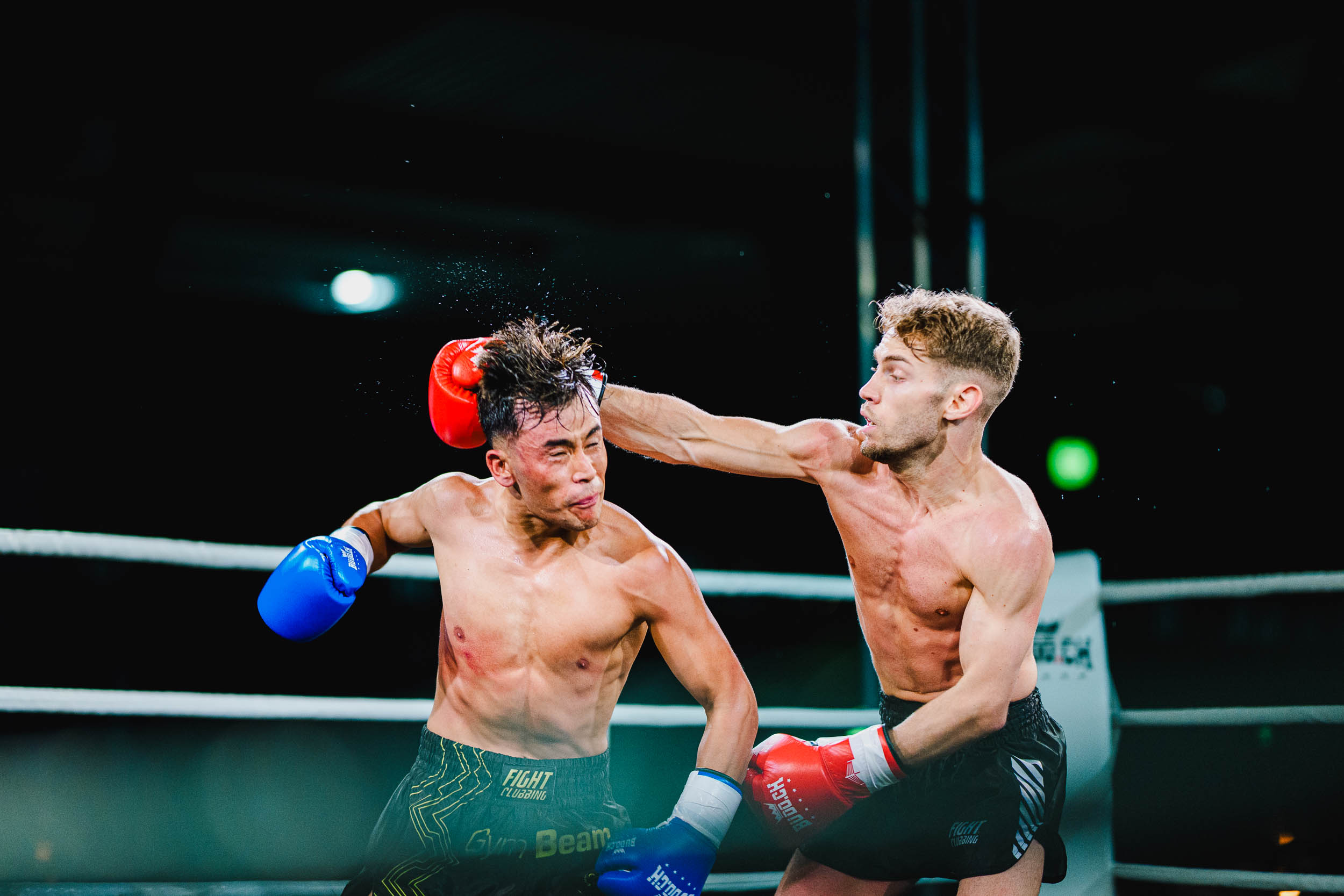
Right at the ring, things look a bit more nuanced. For detail shots, taped hands, glances, individual pieces of gear, the 85mm was ideal. One moment I kept trying to capture was the exact instant of a landed hit: when the punch connects and sweat sprays right off the head of the fighter taking it. It’s exactly for fractions of a second like that that you need an autofocus that keeps up instead of lagging behind.
But as soon as two fighters moved quickly toward each other and I tried to follow the action close to the ring, the focal length occasionally felt too long. The distance to the ring simply wasn’t always enough to keep the necessary framing as fighters closed in quickly.
What still won me over was the autofocus itself. It worked fast and precisely, exactly what you want in a situation like that. The wide aperture also paid off in another way: F1.2 kept the ISO noticeably in check in the dark hall, which indirectly made the autofocus even more reliable. The hit rate wasn’t completely perfect though, every now and then the focus missed. Given the hall lighting and the extremely shallow depth of field at F1.2, that wasn’t a surprise to me.





Between rounds and during breaks, the lens showed its other side. It’s exactly in these moments, when the corner team is treating the athletes, cooling them down, handing out water and giving last-minute instructions, that things get genuinely human photographically. 85mm and F1.2 are a classic combination for these kinds of half-close scenes, and that’s exactly what I used in the corners and the preparation zone. The athletes and their team stand out clearly from the background, even when it consists of ring banners, cables and other people. This is also where it became clear how cleanly the Sigma renders blur: calm, without busy edges or distracting structures in the background.
Studio: A Small Portrait Shoot

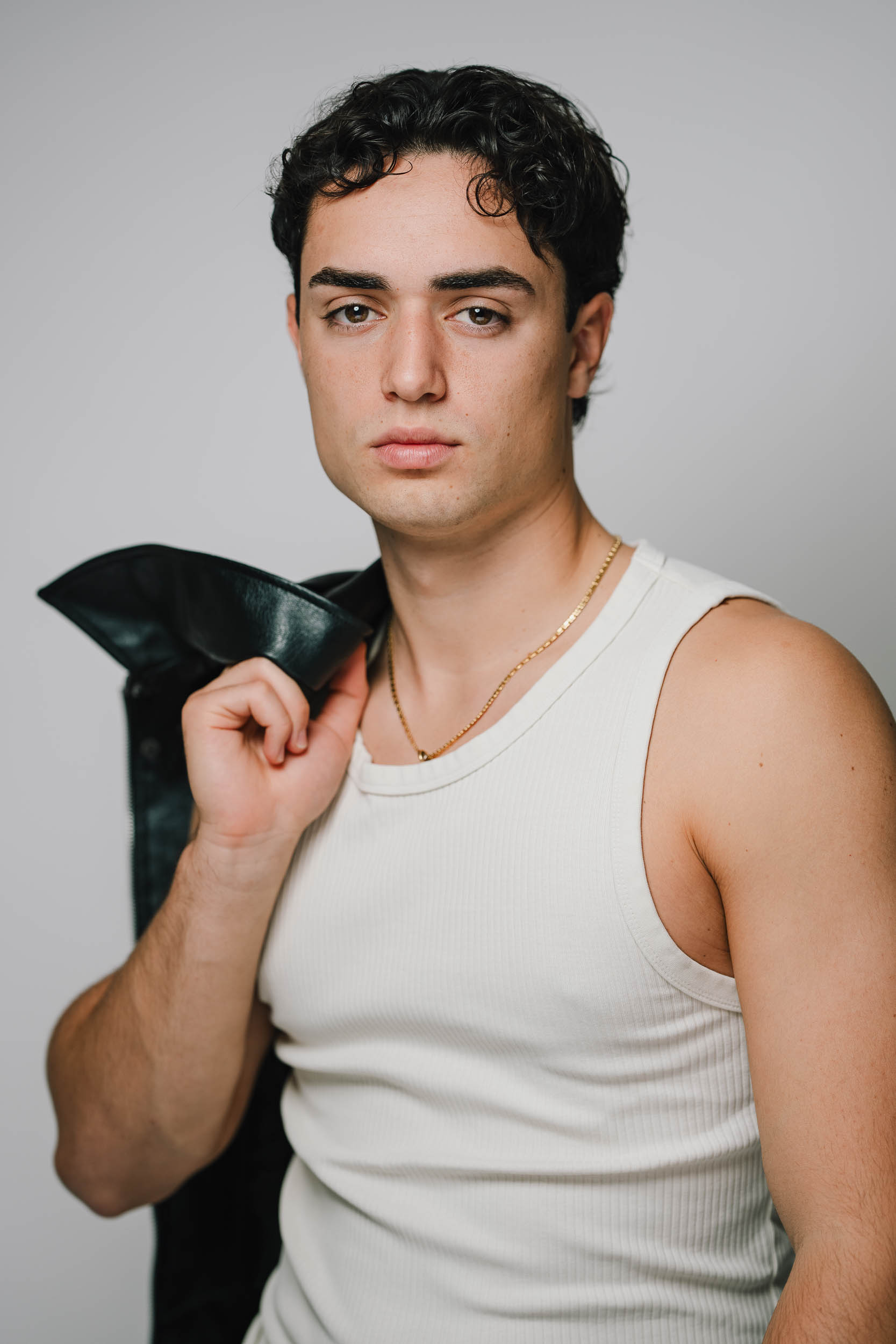
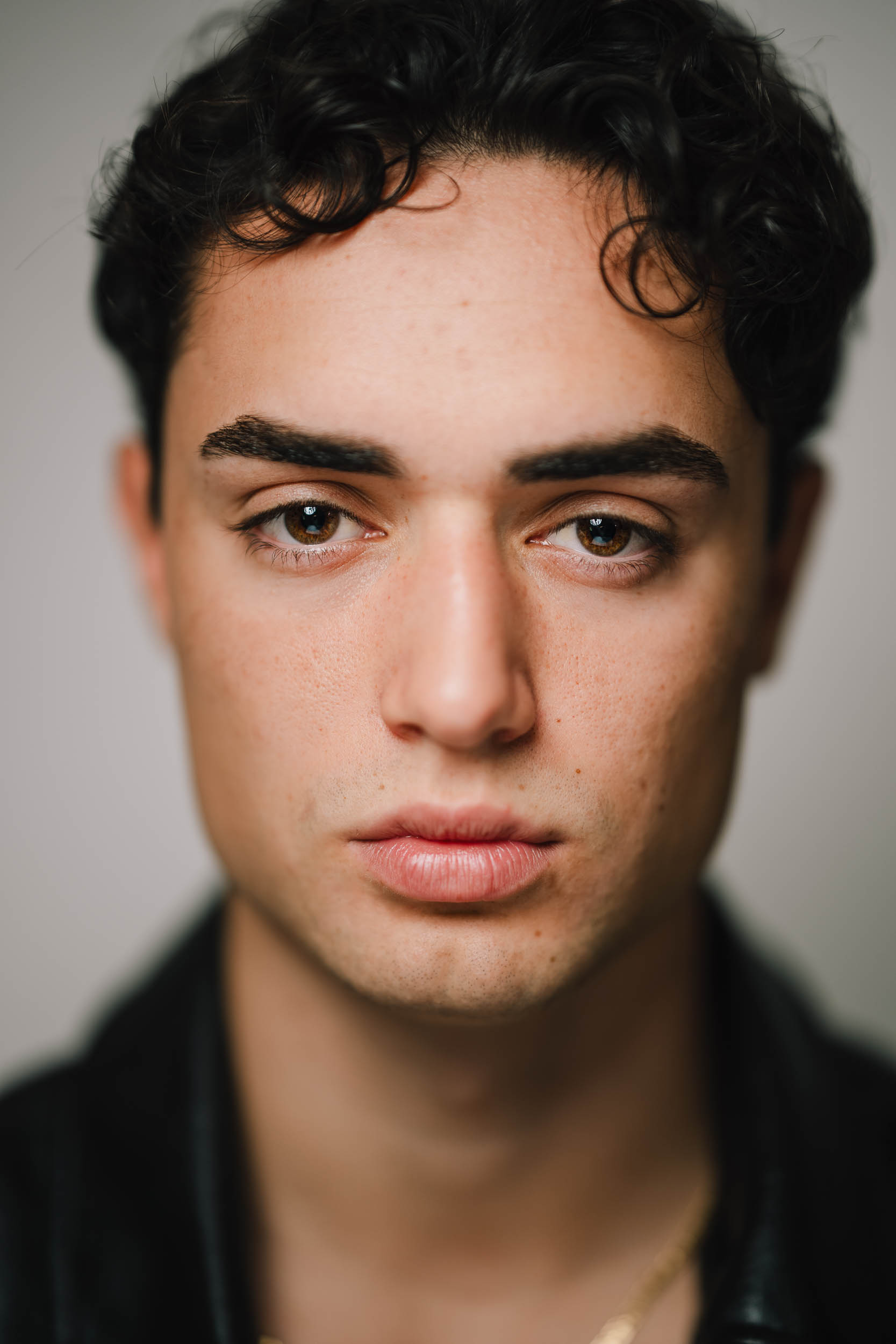
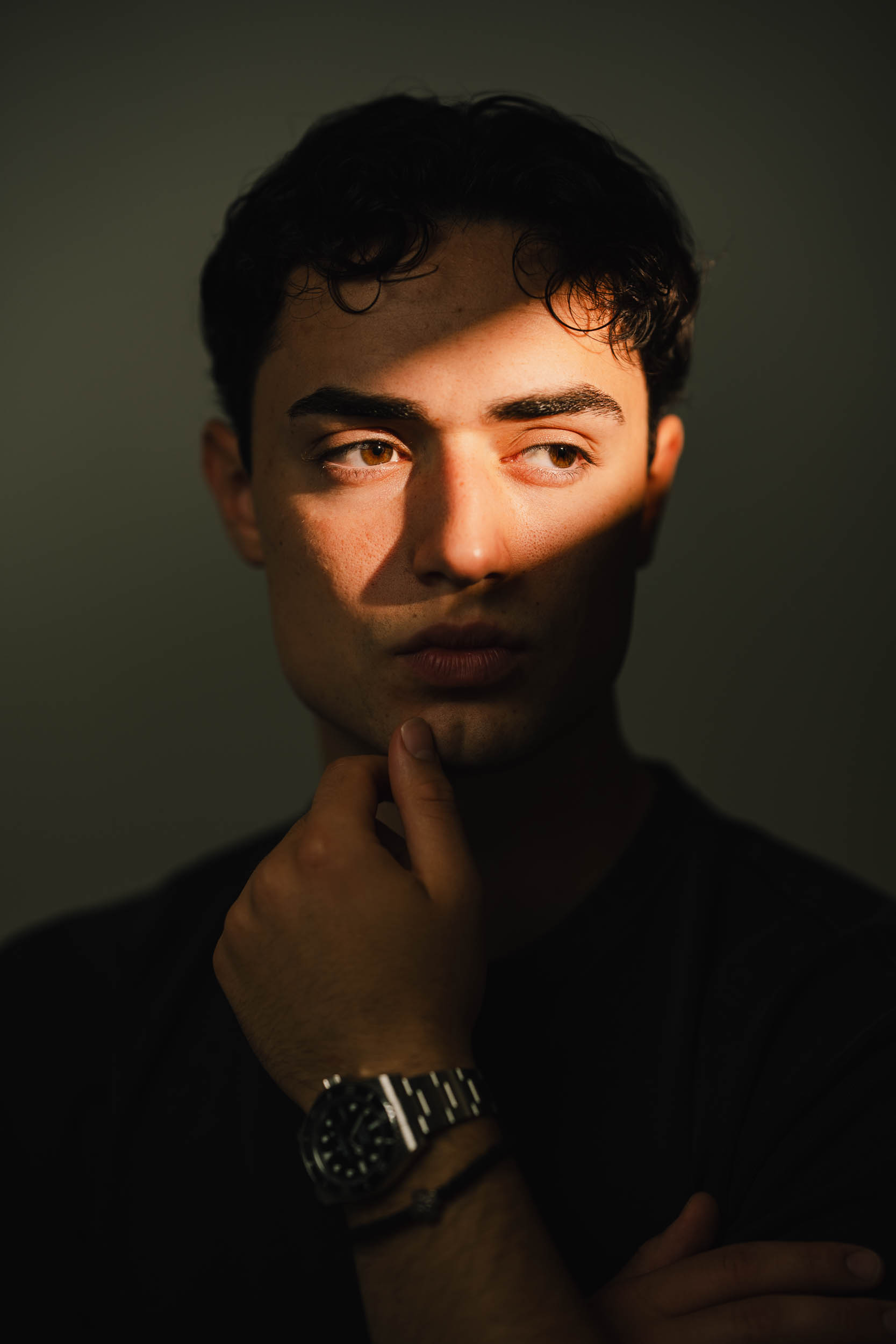
After the Fight Night, I also used the Sigma for a small portrait shoot in the studio, and that’s where the lens’s particular character shows most clearly. With close-up headshots, the very shallow plane of focus produces a distinctive look that you only get with F1.2 on 85mm. The focus sat practically always at eye level, which is essential for this look.
Honestly, the iris itself wasn’t always perfectly sharp. Whether that’s down to the autofocus or the lens, I can’t say for certain, I’d need to test that more specifically. What I did notice: even wide open, the lens is already very sharp, and stopping down barely brought any noticeable improvement. So if you stop down for sharpness, you’ll hardly notice a difference here.
Sharpness, Bokeh and Rendering
Overall, the image quality convinced me throughout. Even at F1.2, sharpness in the focus area is impressively high, both in the hall and in the studio, and a smaller aperture brings barely any noticeable benefit. Something I noticed on closer inspection: toward the extreme corners of the frame, there’s a slight softness wide open. In normal use, especially for portraits with the subject centered, that’s barely noticeable.
Chromatic aberration was only very slightly noticeable to me, both at hard light edges in the hall and in the studio. It stays at a very low level and is practically a non-issue for me in everyday use.
Autofocus
Across both settings, the autofocus won me over: fast and precise, whether with moving subjects in the hall or calmer portraits in the studio. One drawback remains for sports use though: on my Sony Alpha 1 II, the burst rate is limited to 15 frames per second with this lens. For calmer situations and most portraits that doesn’t matter, but anyone shooting a lot of fast action should keep this in mind.
Conclusion: Who Is the Sigma 85mm F1.2 DG | Art For?
The Sigma 85mm F1.2 DG | Art proved itself at both the Fight Night and in the studio as a convincing combination of event and portrait lens. The autofocus is fast and precise, the rendering of blur pleasantly clean, and even wide open the lens delivers very high sharpness. On top of that comes excellent handling, with a buttery smooth focus ring and an aperture ring that works both with clear clicks and stepless.
Minor compromises exist with the slight softness in the extreme corners, the burst rate capped at 15 fps for genuine sports use, and the focal length itself, which can occasionally feel too tight for fast action right at the ring.
Bottom line, it remains a clear recommendation for anyone looking for a fast 85mm prime for portraits, events, and the occasional indoor sport.
Sigma 85mm F1.2 DG Art, Sony E-Mount

Sigma 85mm F1.2 DG Art, Sony E-Mount
Produktfeatures
- F1,2 Lichtstärke bei 85mm Brennweite
- Nur 905g – leichtestes 85mm F1.2 seiner Klasse
- Dual-HLA-Autofokus für schnelle, präzise Fokussierung
- 13 Blendenlamellen für rundes Bokeh
- Staub- und spritzwassergeschützt
Disclaimer
The Sigma 85mm F1.2 DG | Art was provided to me by Ott + Wyss AG for this review ahead of its official market launch. The lens was returned to Ott + Wyss AG after testing. All impressions and opinions are entirely my own, based on my experience with the lens during the tournament and the shoot, and were not influenced by external parties.