Sigma 35mm f/1.4 DG II Art Review: Image Quality, Autofocus and Real-World Use
- Marvin Kuhn
- Review , Lens
- May 28, 2026
Table of Contents
The Sigma 35mm f/1.4 DG II Art is a prime lens that promises a lot: high light transmission, clean rendering and everyday usability. I took it with me on a trip to Rome and after taking over 1500 photos, I formed an opinion about how it performs in real-world use and whether it can keep up.
First Impressions
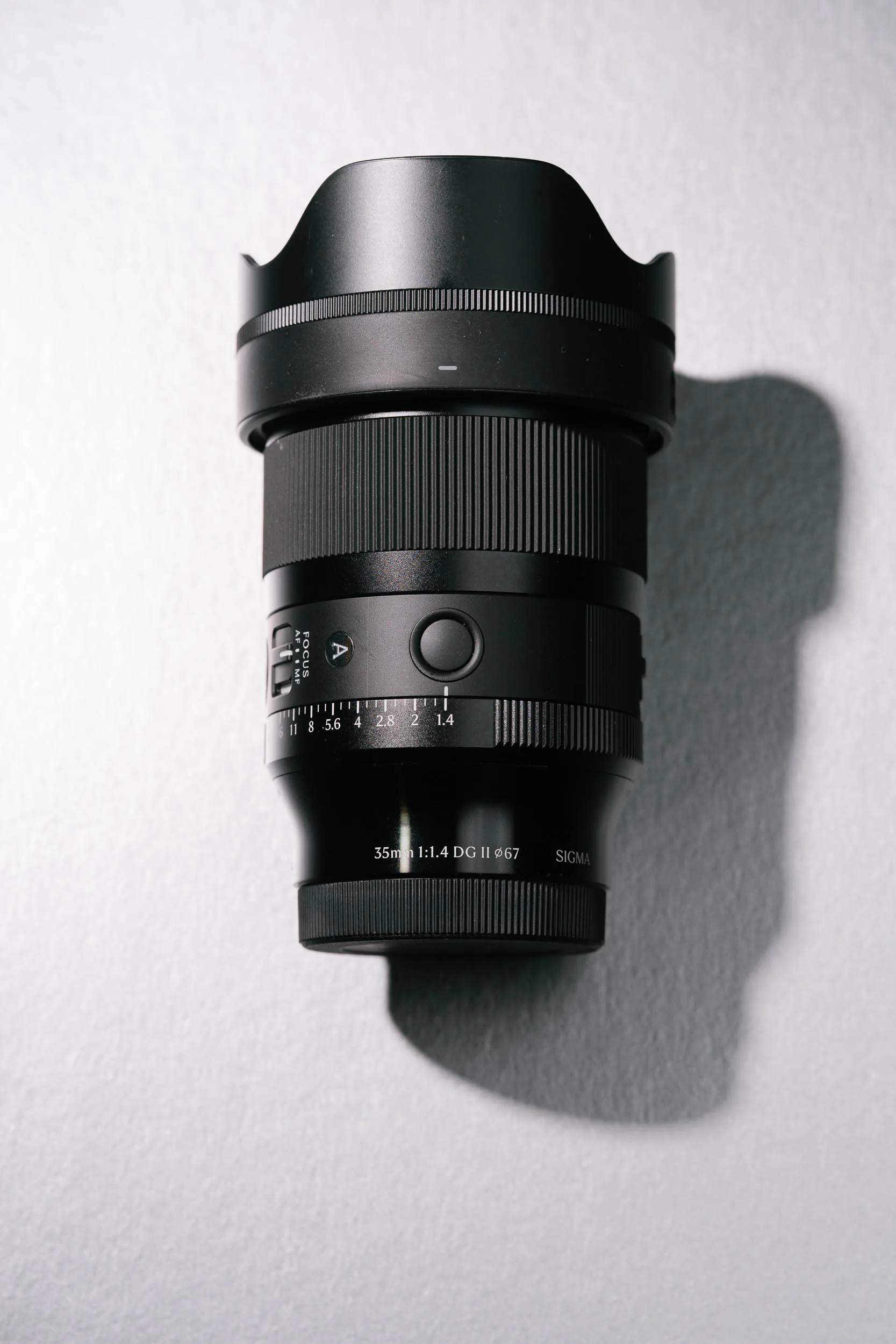
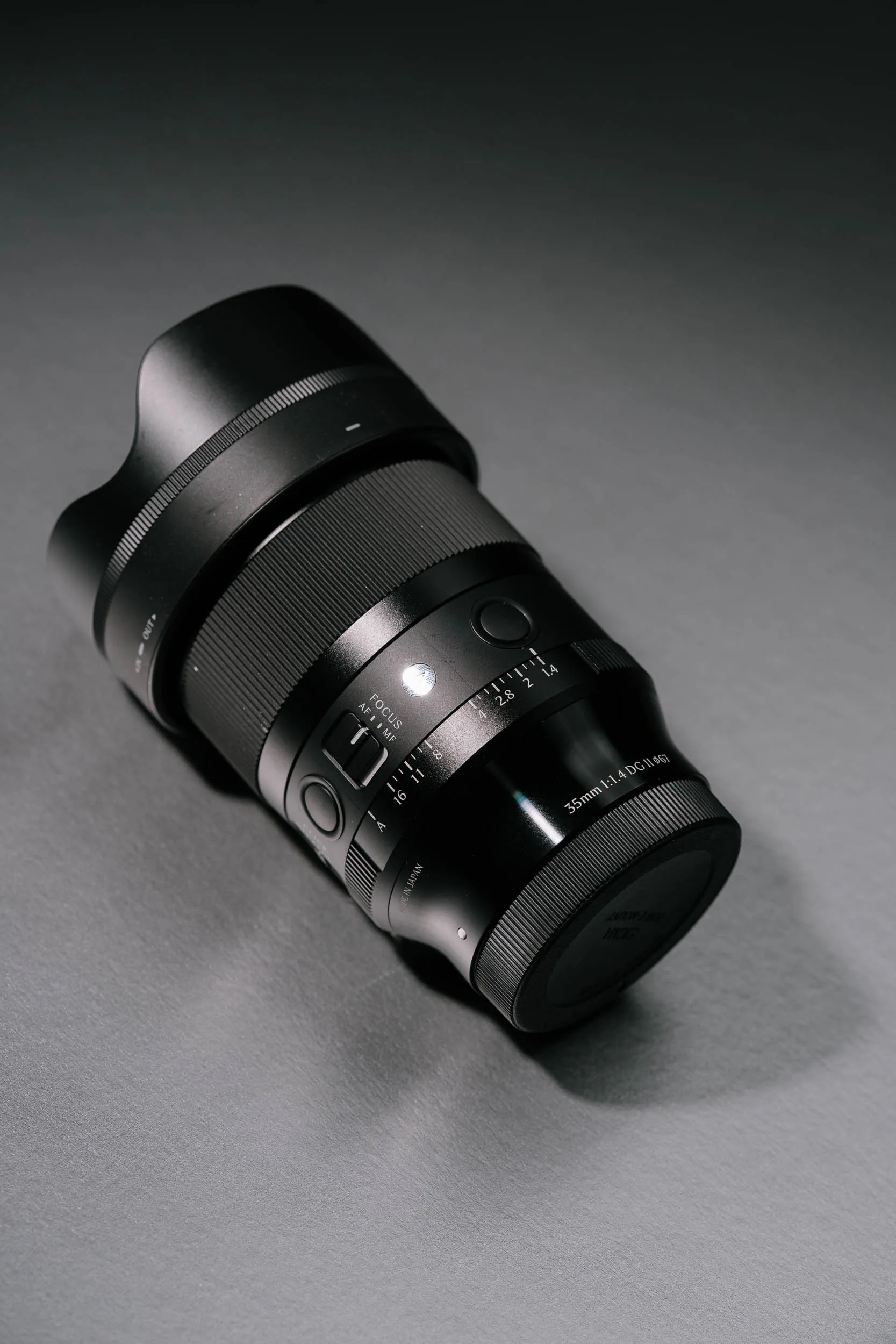
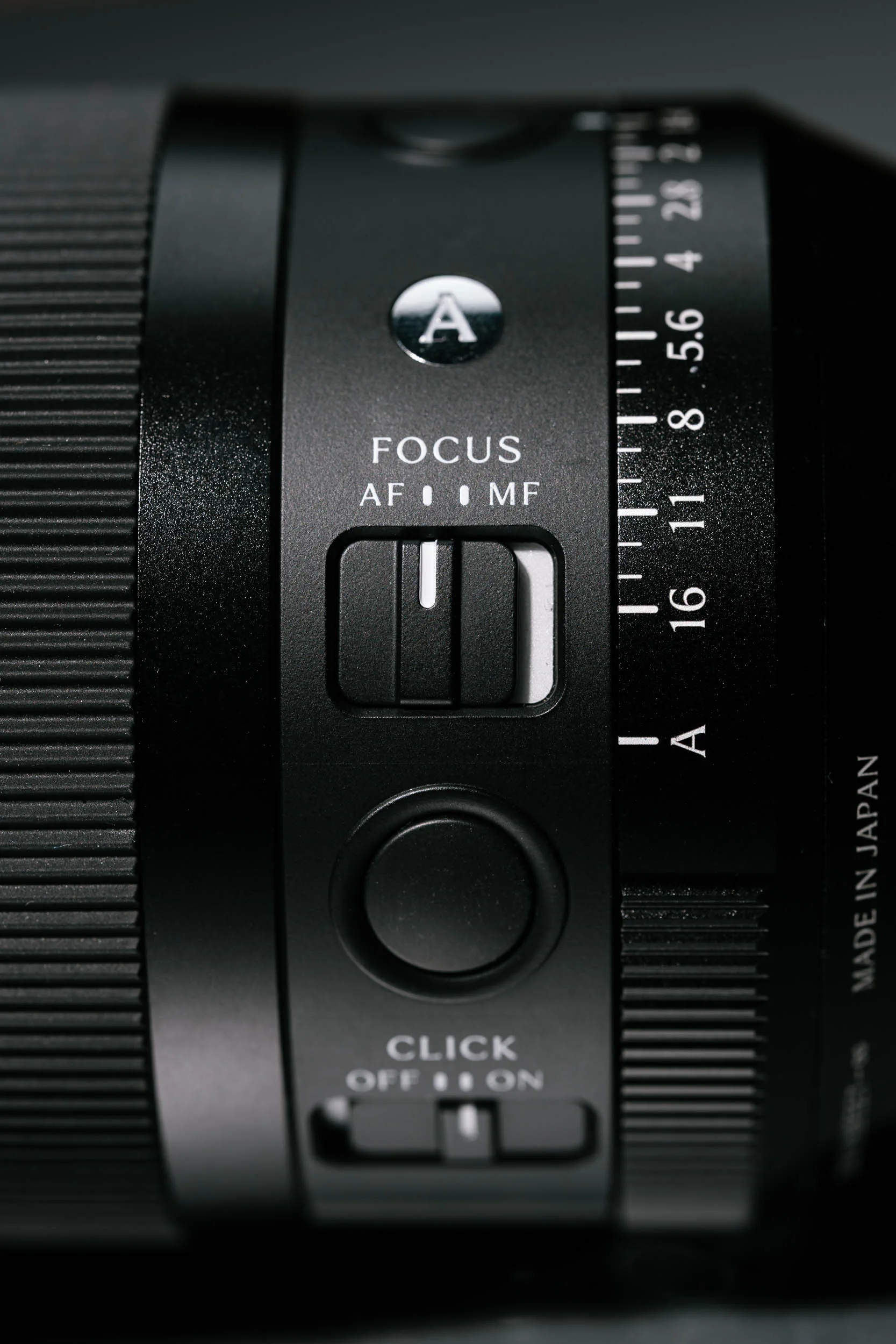
When I started unboxing the Sigma 35mm f/1.4 DG II Art, I immediately fell in love with the packaging. I know that might sound strange, but I genuinely cannot remember the last time I saw a lens packaged this beautifully. The redesign was absolutely worth it. Even the box itself and the embossed details gave me the feeling that someone actually cared about making the unboxing experience feel special. I honestly love that, because photography is art, and beautiful tools deserve beautiful presentation. Things like this genuinely inspire me.
The lens itself is also beautifully built, exactly what you would expect from Sigma. A lot of metal, rubberized grip areas and a thoughtfully designed lens hood. The buttons, focus ring and aperture ring all feel incredibly satisfying to use and immediately make you want to go out and shoot. That is also why I decided to take it directly with me on my trip to Rome.
Experiences in Rome
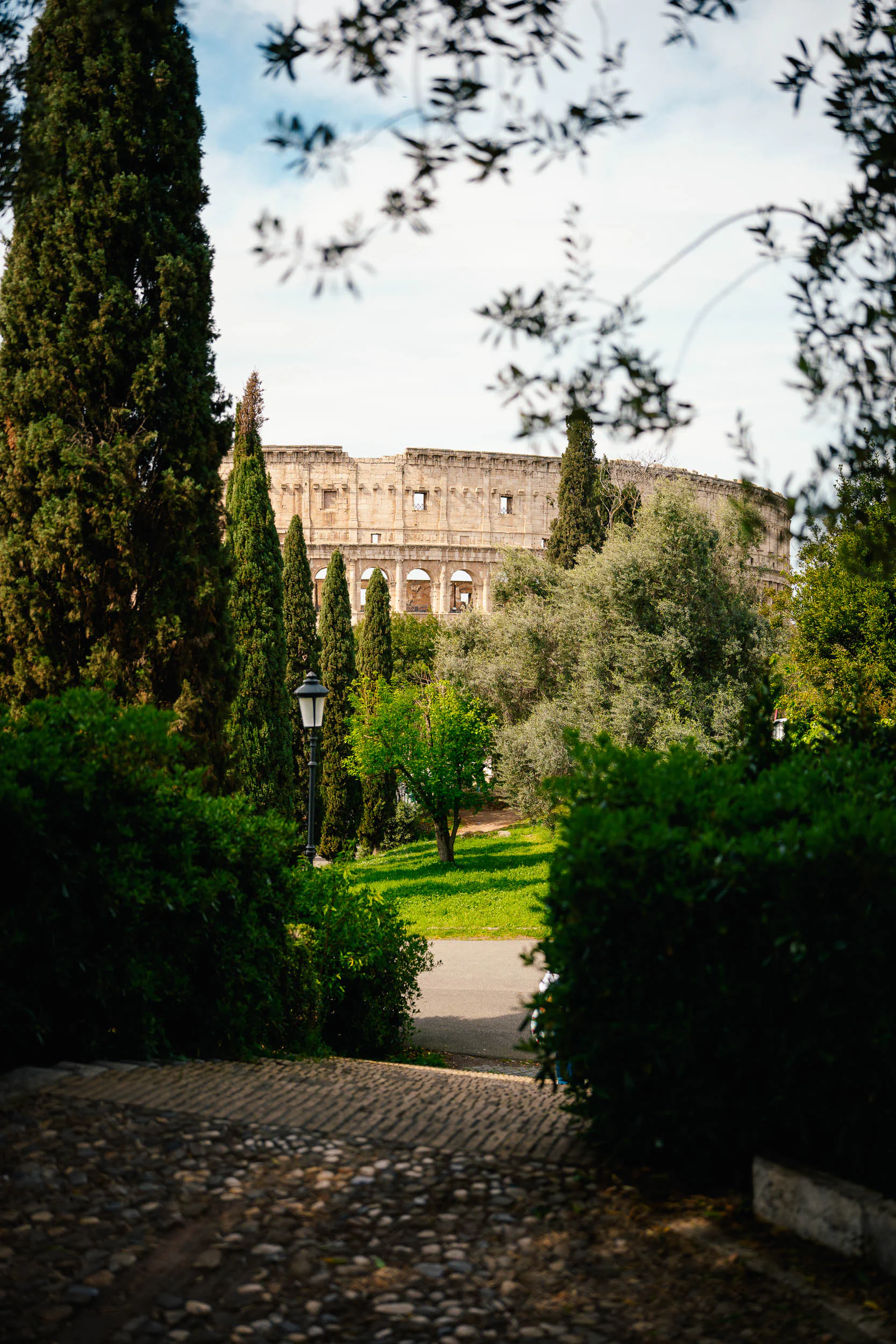
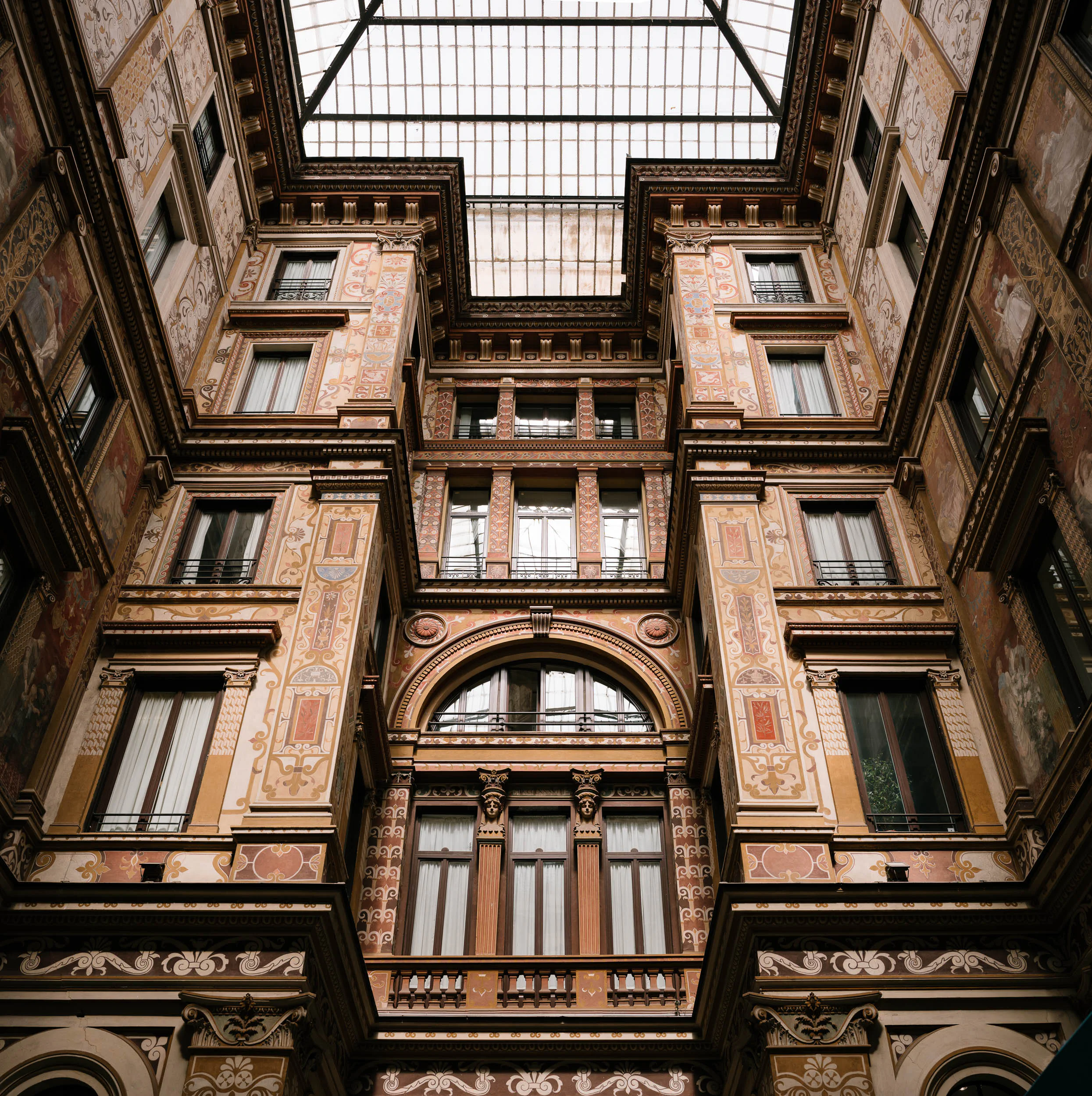
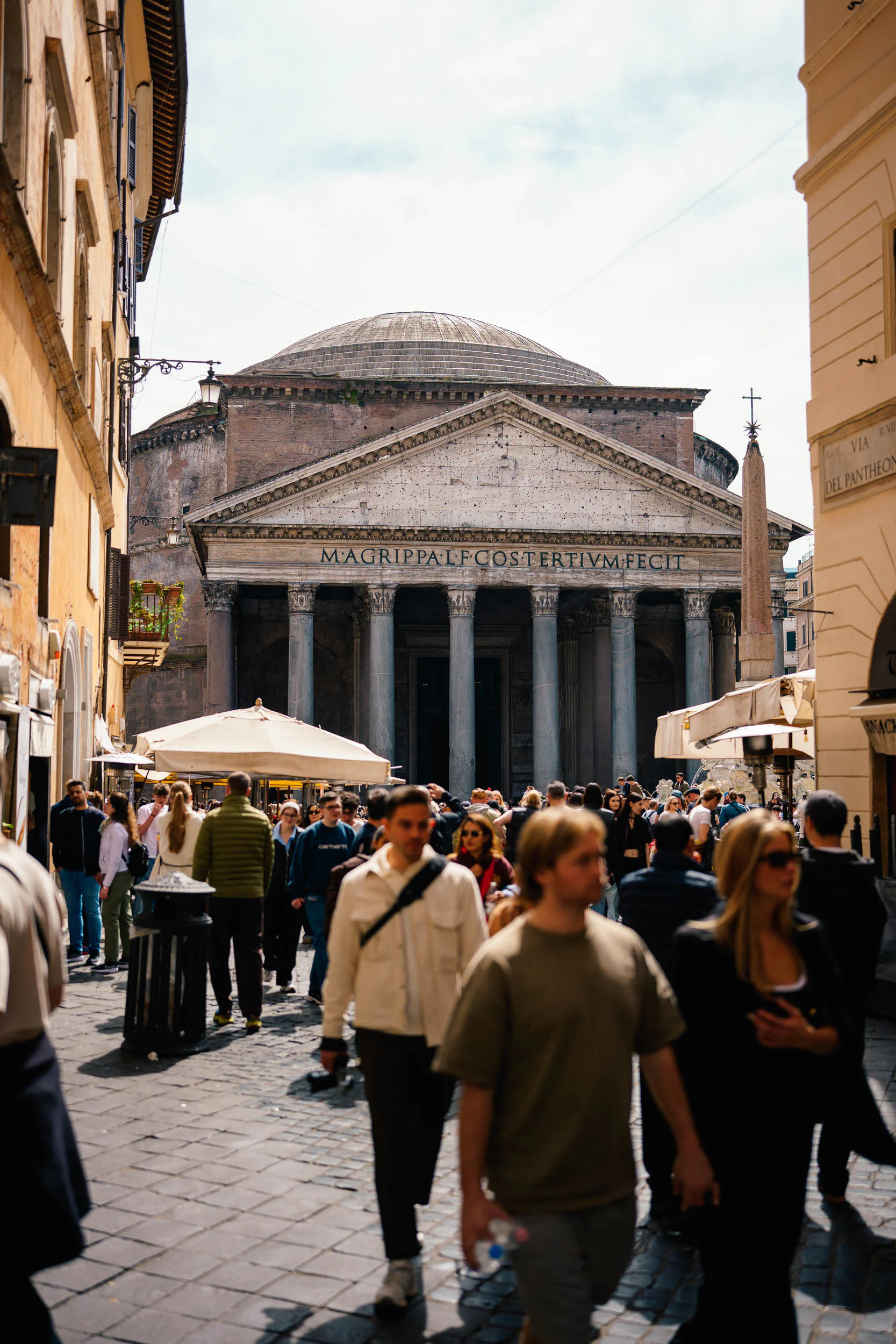
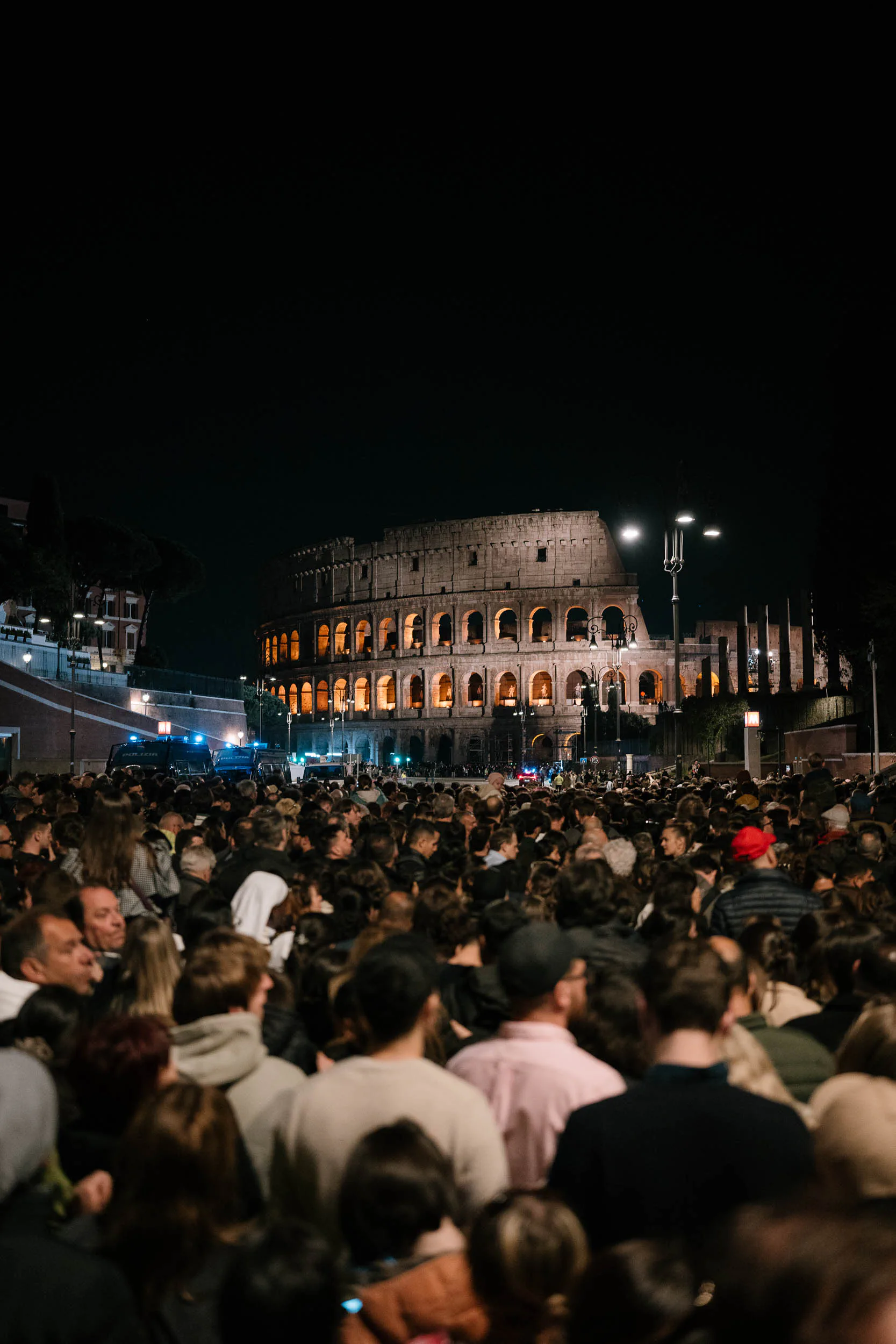
I used the Sigma almost from the very first minute I arrived in Rome, from my first walk towards the Colosseum to late-night walks through the narrow streets of the city center. Of course, I did not only bring the Sigma 35mm f/1.4 DG II Art with me. Anyone who knows me already knows I packed far too much gear again, and honestly, that criticism would probably be fair. Still, the Sigma quickly became one of the few lenses that was always within reach. If it were my own copy, it would permanently live in my bag. Hopefully that is not giving away too much already.
In a city like Rome, I absolutely loved the focal length. Around the Vatican and St. Peter’s Basilica, I could naturally capture both the monumental architecture and the people in front of it without images feeling too wide or too tight. Especially on St. Peter’s Square, the lens provided enough context to communicate the scale and atmosphere of the location without people getting lost inside the frame. Despite the crowds, scenes rarely felt chaotic or overly busy.
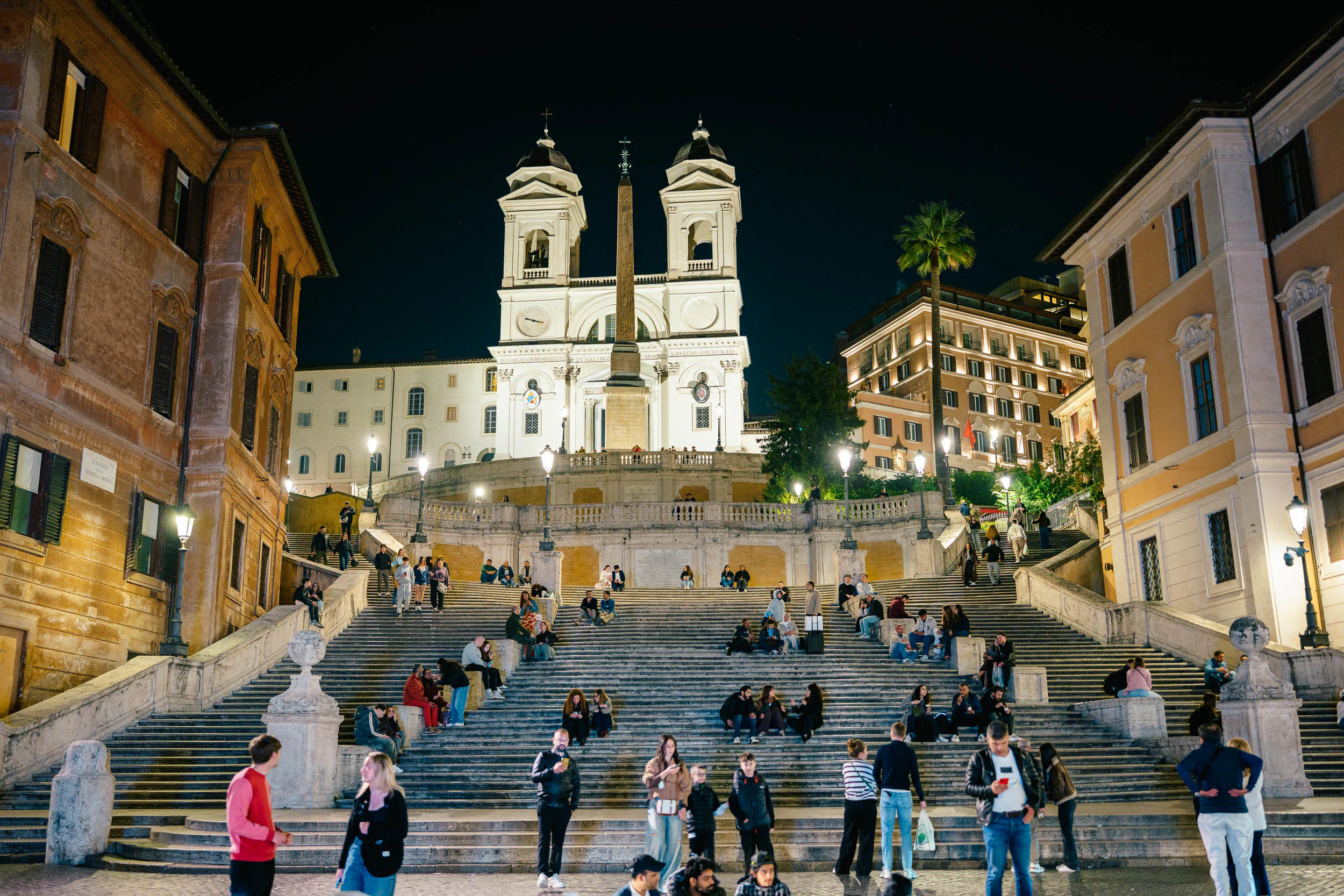
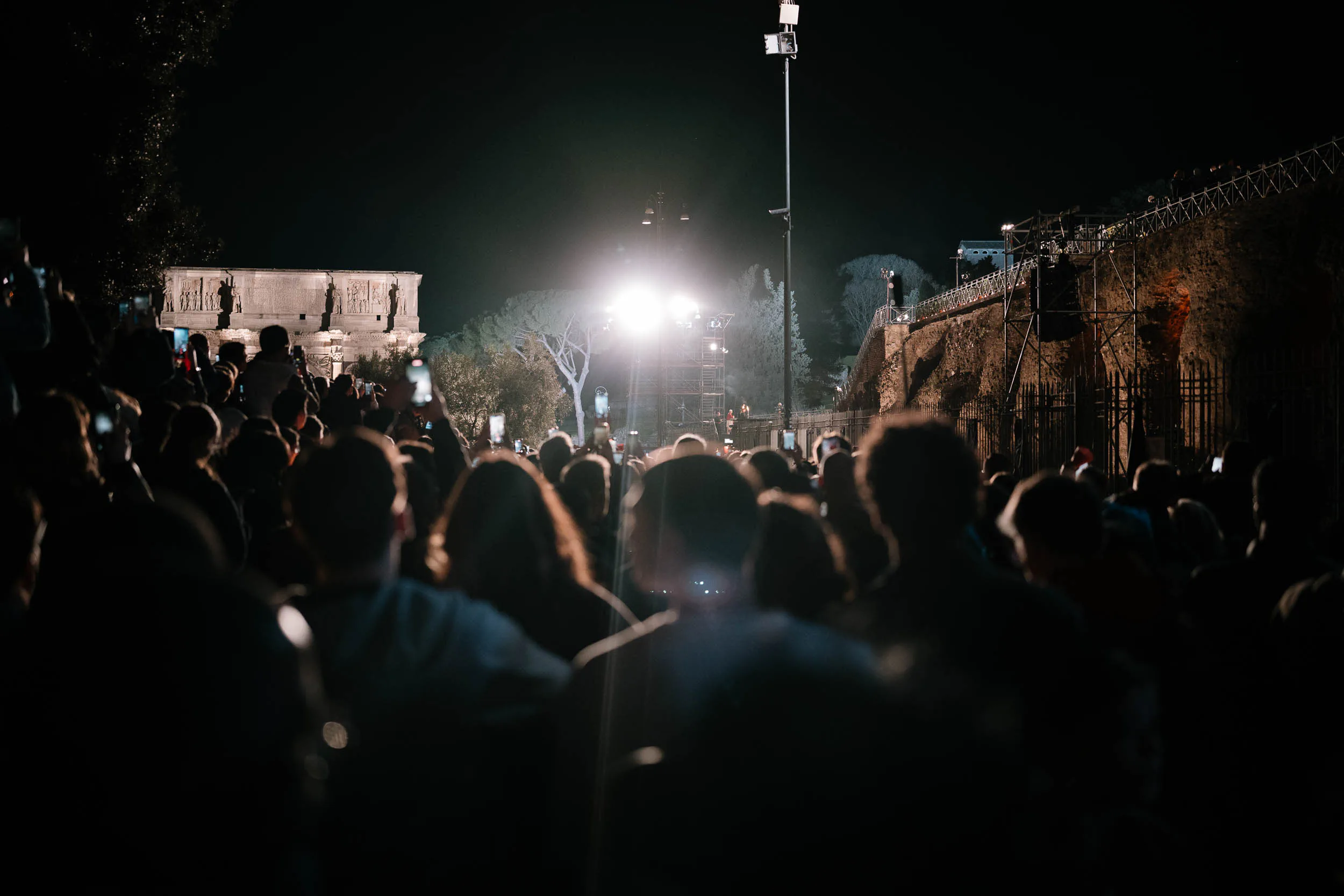
The focal length also worked beautifully at the Spanish Steps. Even with large numbers of tourists, there was still enough context in the frame to capture the atmosphere without the image feeling overloaded. Inside St. Peter’s Basilica and around the Roman Forum, I could combine detail and scale very naturally. Architectural shots especially benefited from the low distortion, which helped images maintain a clean and realistic look.
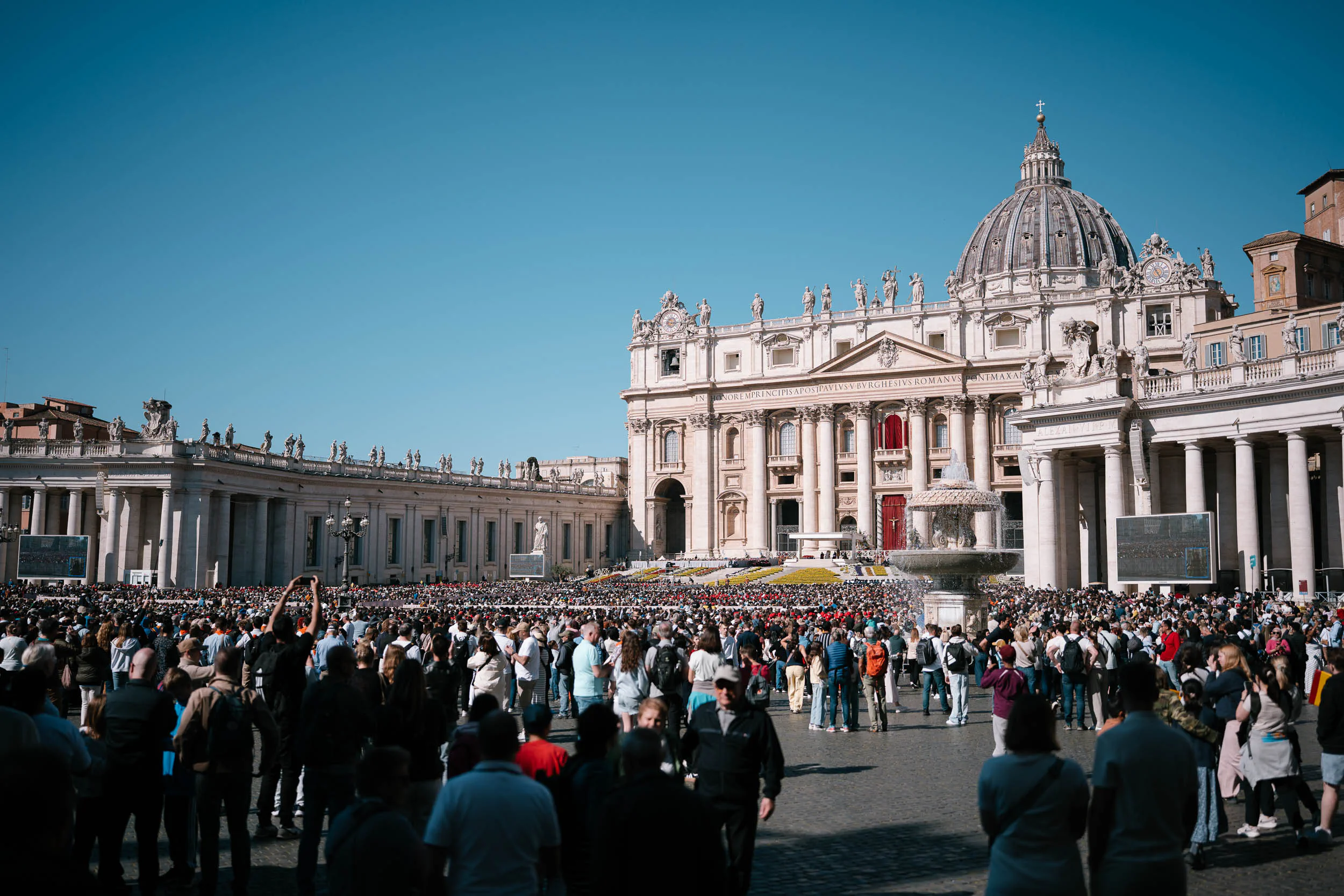
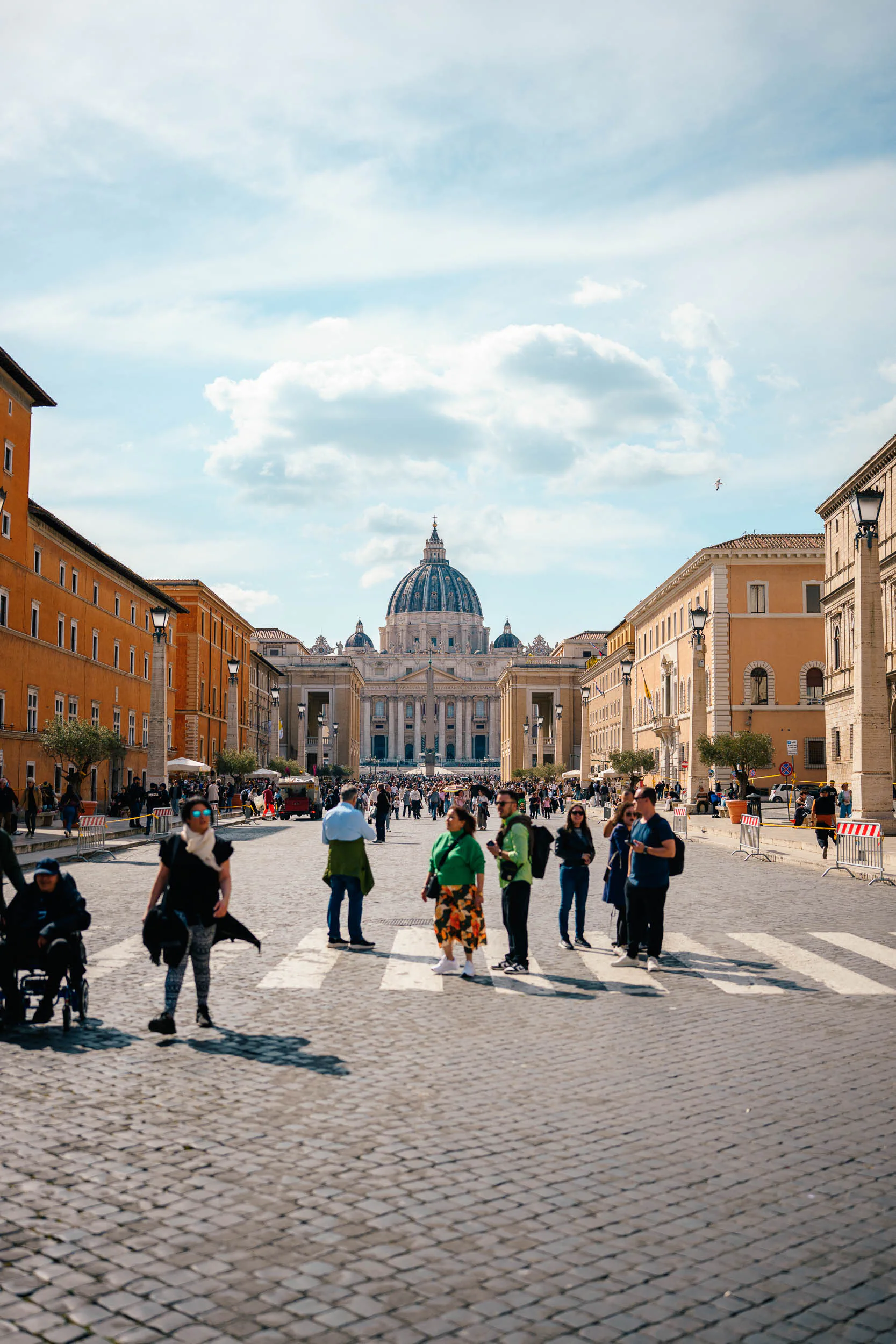
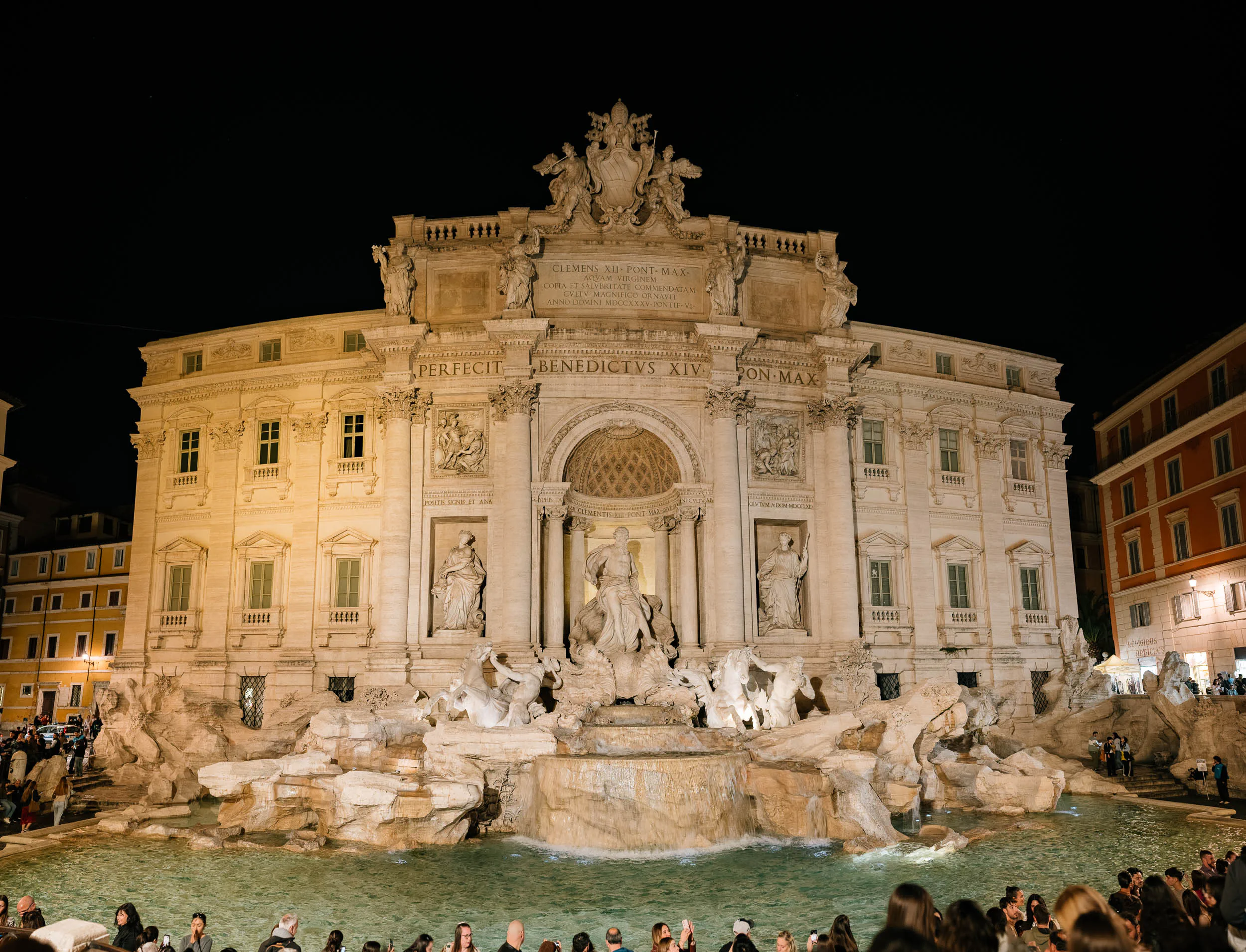
At the Trevi Fountain however, 35mm occasionally felt slightly too tight when trying to capture the entire fountain. I often ended up shooting panoramas there, which actually worked surprisingly well with this lens. In general, the Sigma is excellent for panoramas because sharpness remains highly consistent even towards the edges, while distortion stays very well controlled.
Even during everyday moments in the city, the combination of focal length and weight felt extremely comfortable. In parks or on smaller public squares, I could capture life around me without the images feeling overly documentary-like or sterile.
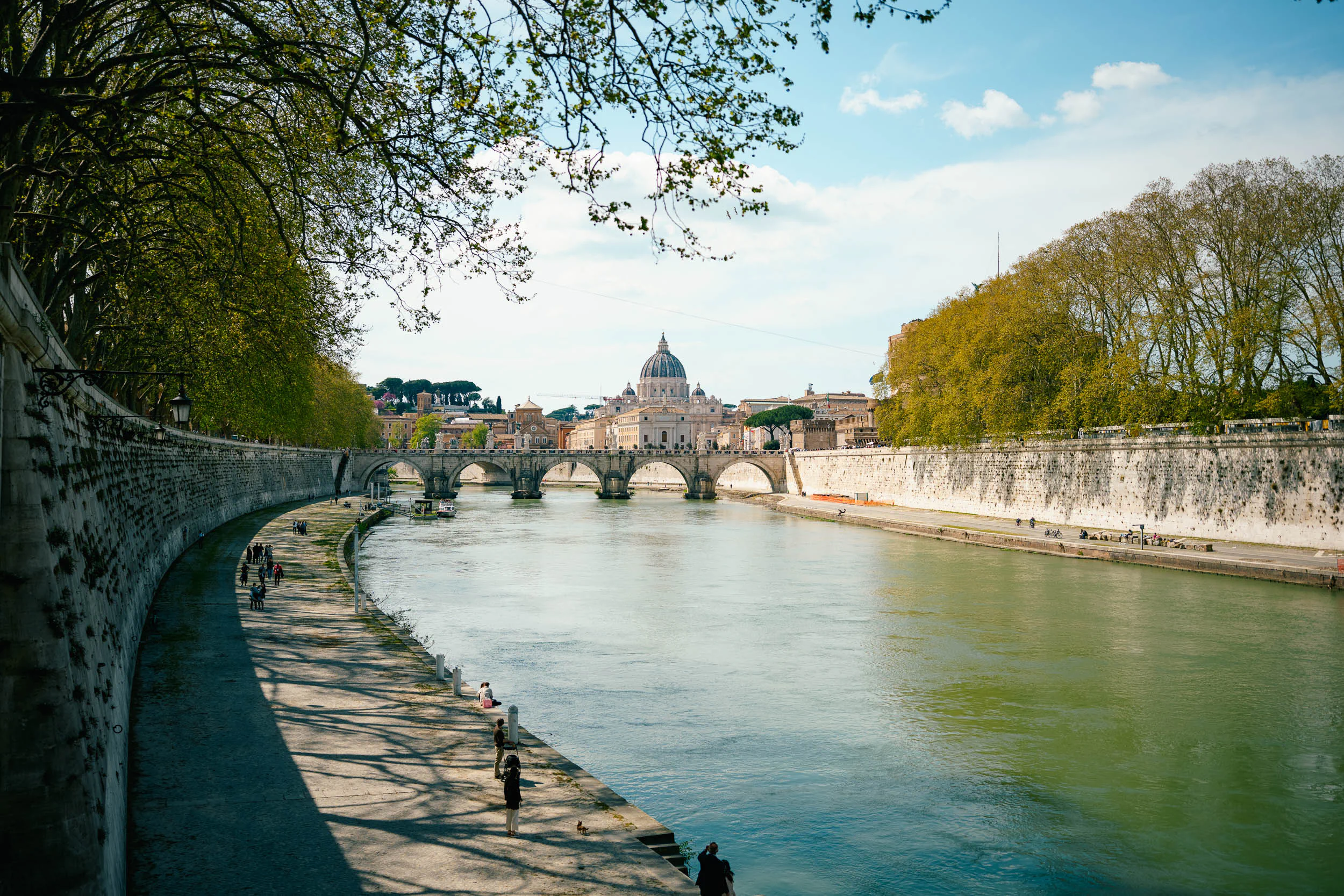
For me, the photos perfectly recreate the feeling of actually being there again. At the same time, the lens remained compact enough for spontaneous photography. During fast-moving situations, for example while crossing a street or when beautiful light suddenly appeared, I could simply raise the camera and shoot instantly. That effortless point-and-shoot feeling is something I genuinely enjoyed.
Even small details became fun to photograph. Mailboxes, manhole covers, wall art or random objects along the streets almost looked three-dimensional thanks to the lens sharpness and pleasing rendering. During editing, many details practically jump off the screen.
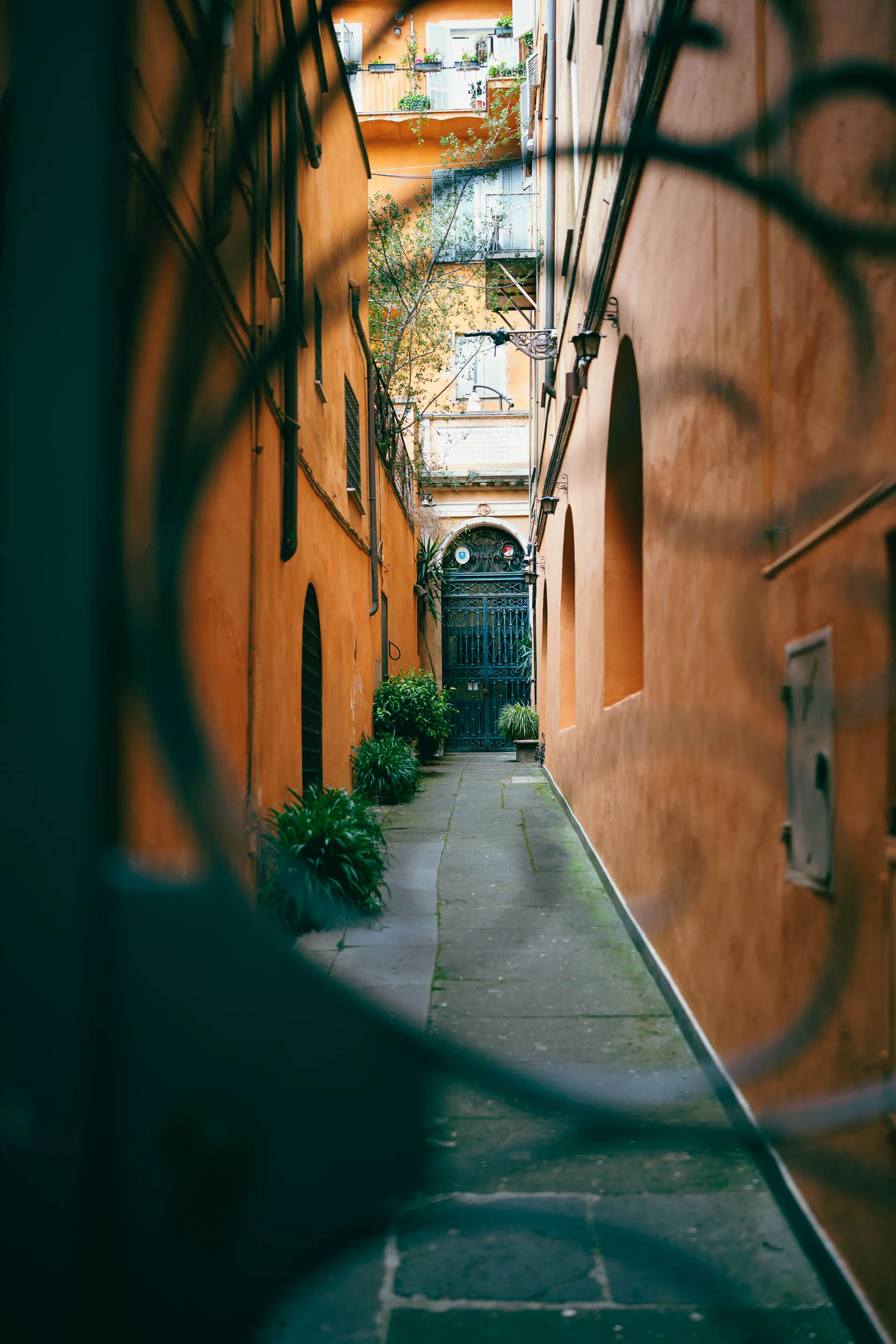
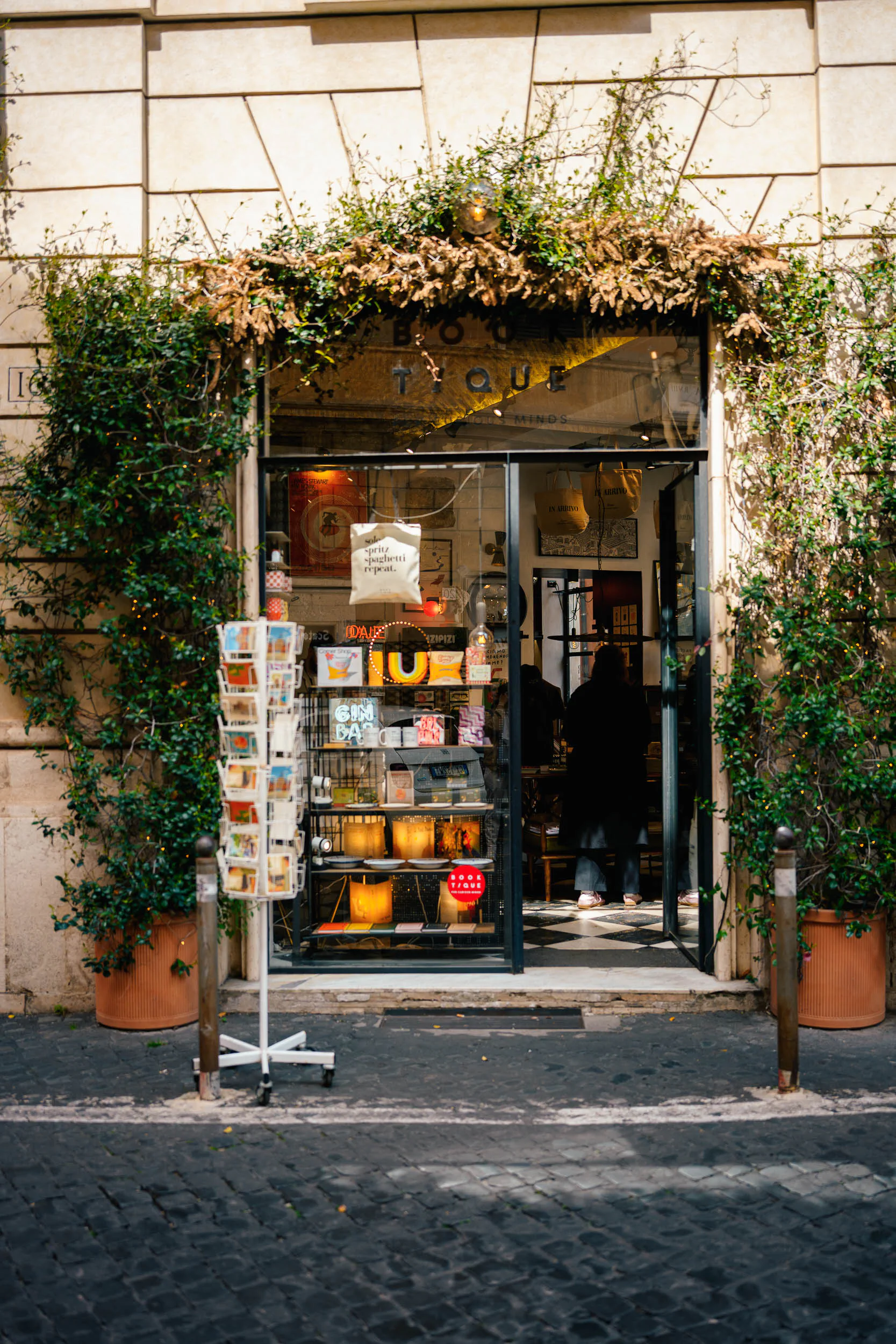
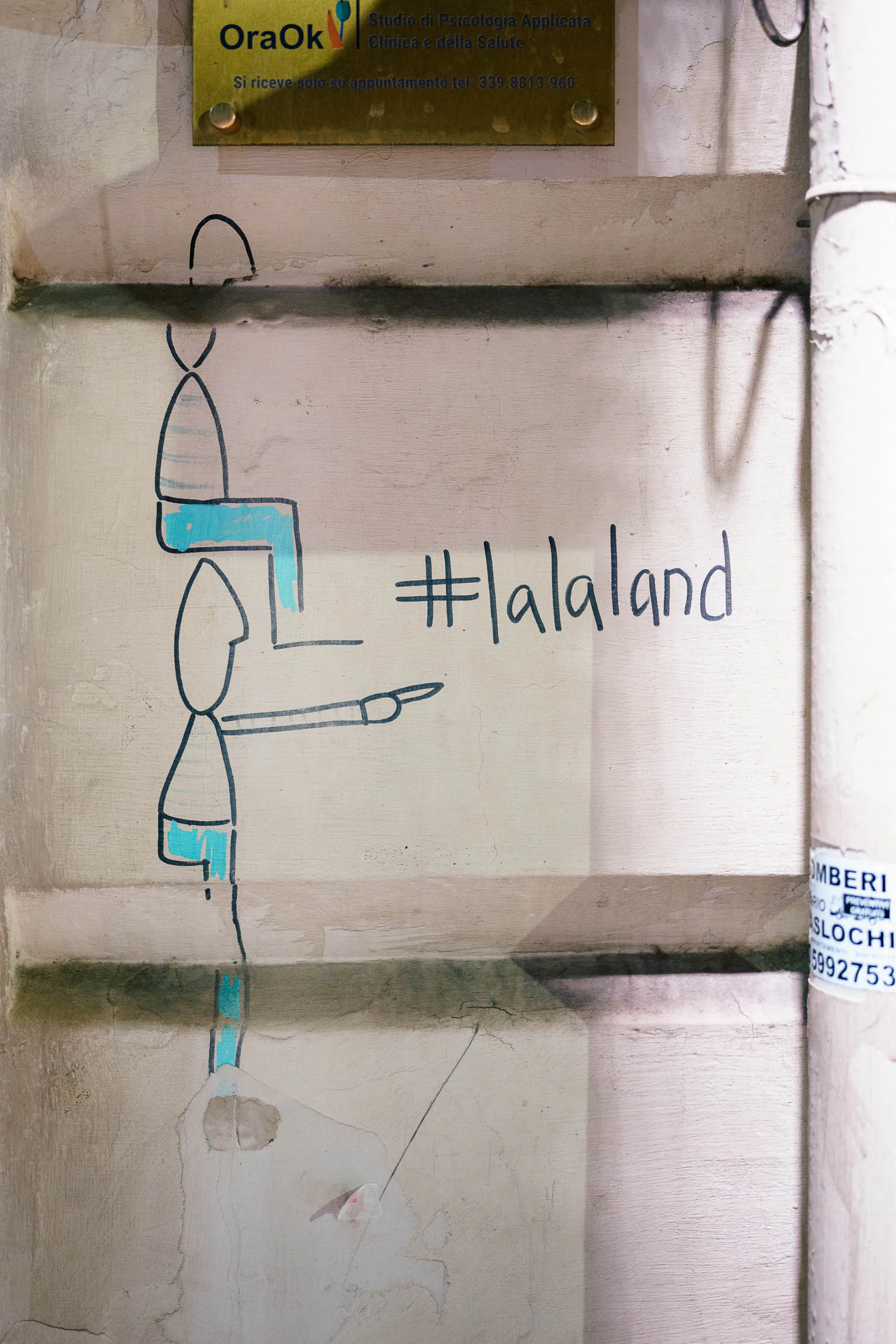
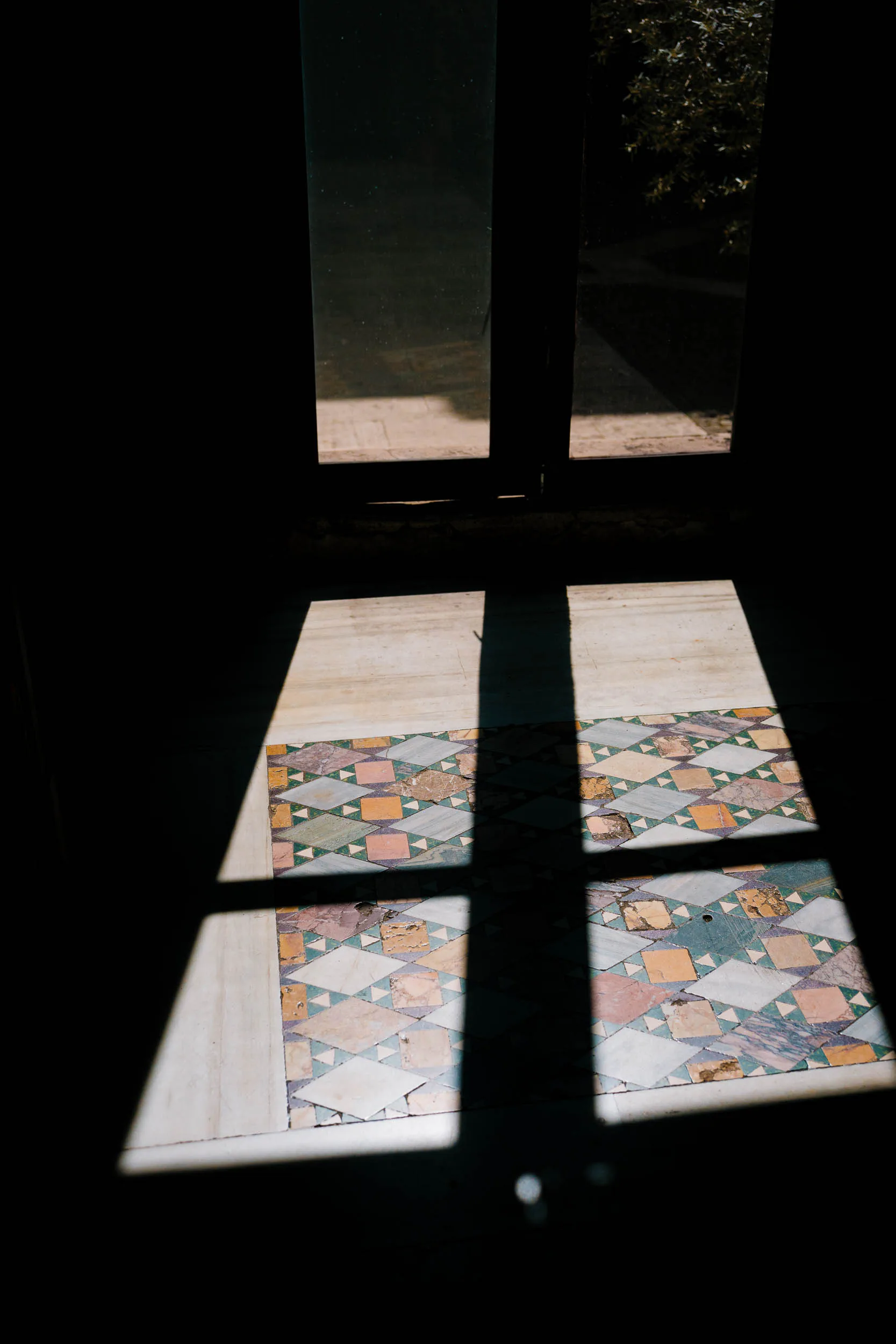
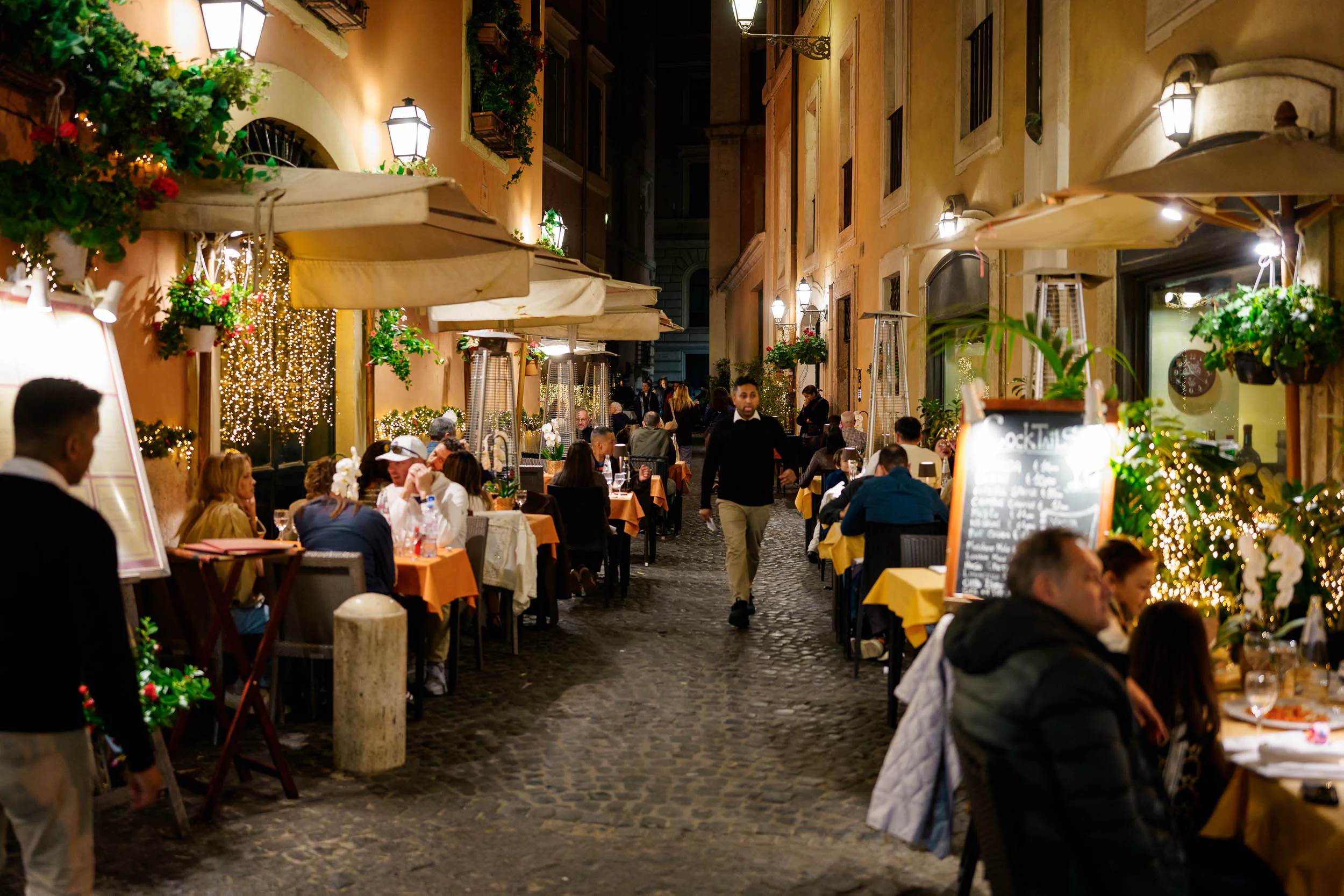
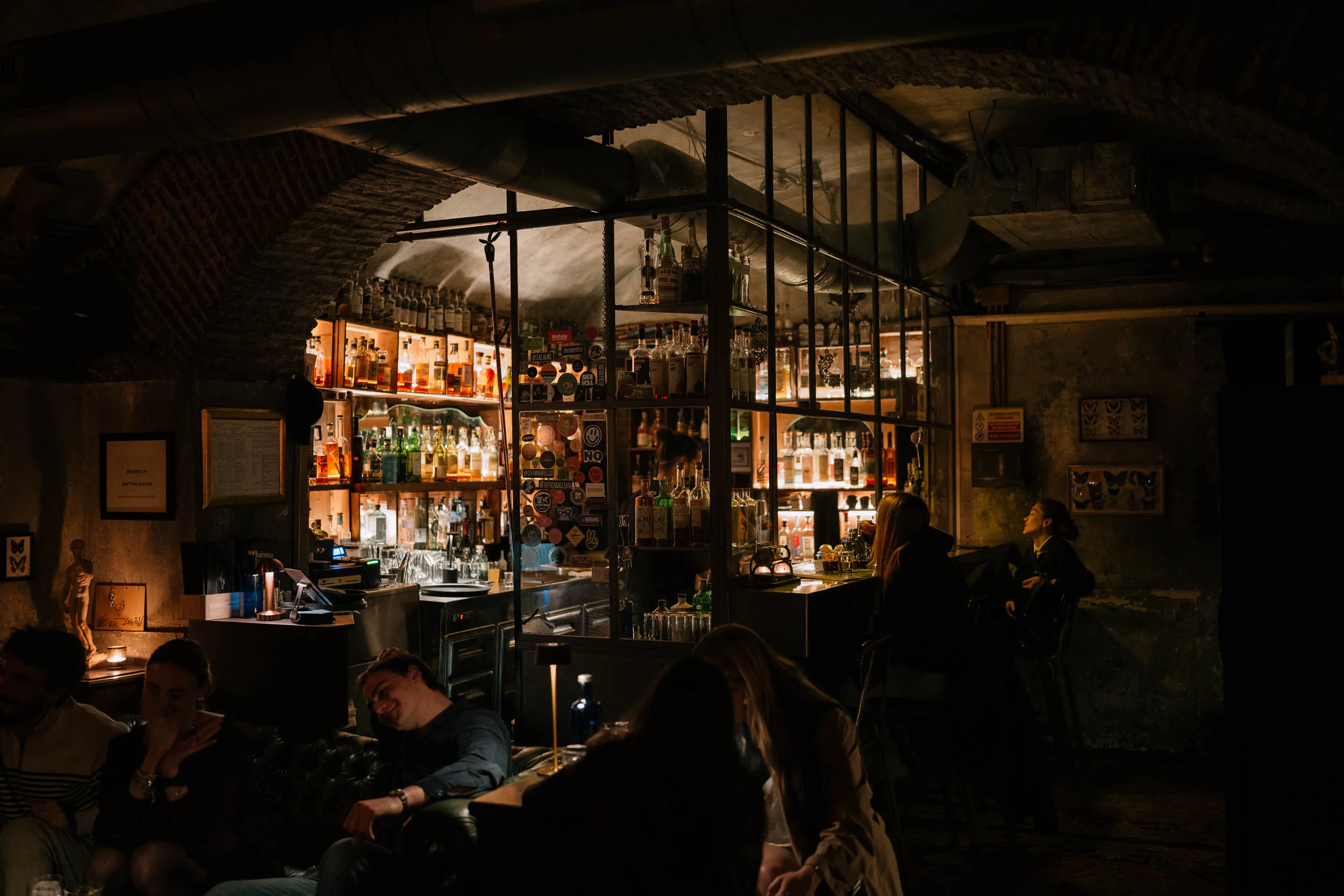
The lens impressed me most during nighttime shooting. Thanks to the f/1.4 aperture, even very late at night I could still maintain relatively short shutter speeds, often completely without a tripod.
That allowed me to comfortably photograph inside bars, small restaurants or dark streets. Cocktail shots and scenes in extremely low light turned out surprisingly well. Autofocus also remained fast and reliable. Whether shooting against the sun during sunset, inside dark bars or taking spontaneous portraits of my girlfriend, the hit rate remained impressively high. Very rarely did I feel like focus missed the shot.
One thing that surprised me slightly was the focus motor noise. It is not the quietest autofocus system on the market. Compared to some of my other lenses, it was more audible than expected. In real-world photography however, it never became genuinely distracting.

Using the Sigma overall was simply a lot of fun. For an f/1.4 lens, it is surprisingly compact. It is not ultra-lightweight, but even after carrying it for an entire day, it never became uncomfortable for me. The premium feel also adds a lot to the experience. The aperture clicks feel precise, pleasantly quiet and give the lens a truly high-end feeling that makes you want to shoot more.
At the same time, the lens never gets in your way. It simply works reliably and encourages you to pick up the camera more often. The only real limitation Sony users should keep in mind is that some cameras reduce burst shooting from 30 FPS down to 15 FPS with this lens attached.
Image quality also impressed me throughout the trip. A fast and accurate autofocus system means very little if the optical quality cannot keep up, but this is exactly where Sigma delivers. Sharpness is already extremely high wide open, and even corner sharpness at f/1.4 remains genuinely usable. As long as your camera can maintain fast enough shutter speeds, shooting wide open becomes almost effortless.
Personally, I actually really like the vignetting. It is visible at f/1.4, but subtle enough to gently guide the viewer’s attention towards the center of the frame without ever becoming distracting. At the same time, it can easily be corrected if you prefer a more neutral look.
Chromatic aberrations are rarely visible, and overall contrast remains highly stable. Only under very harsh nighttime light sources does contrast slightly decrease, but even then it can easily be controlled through slight stopping down or small exposure adjustments.
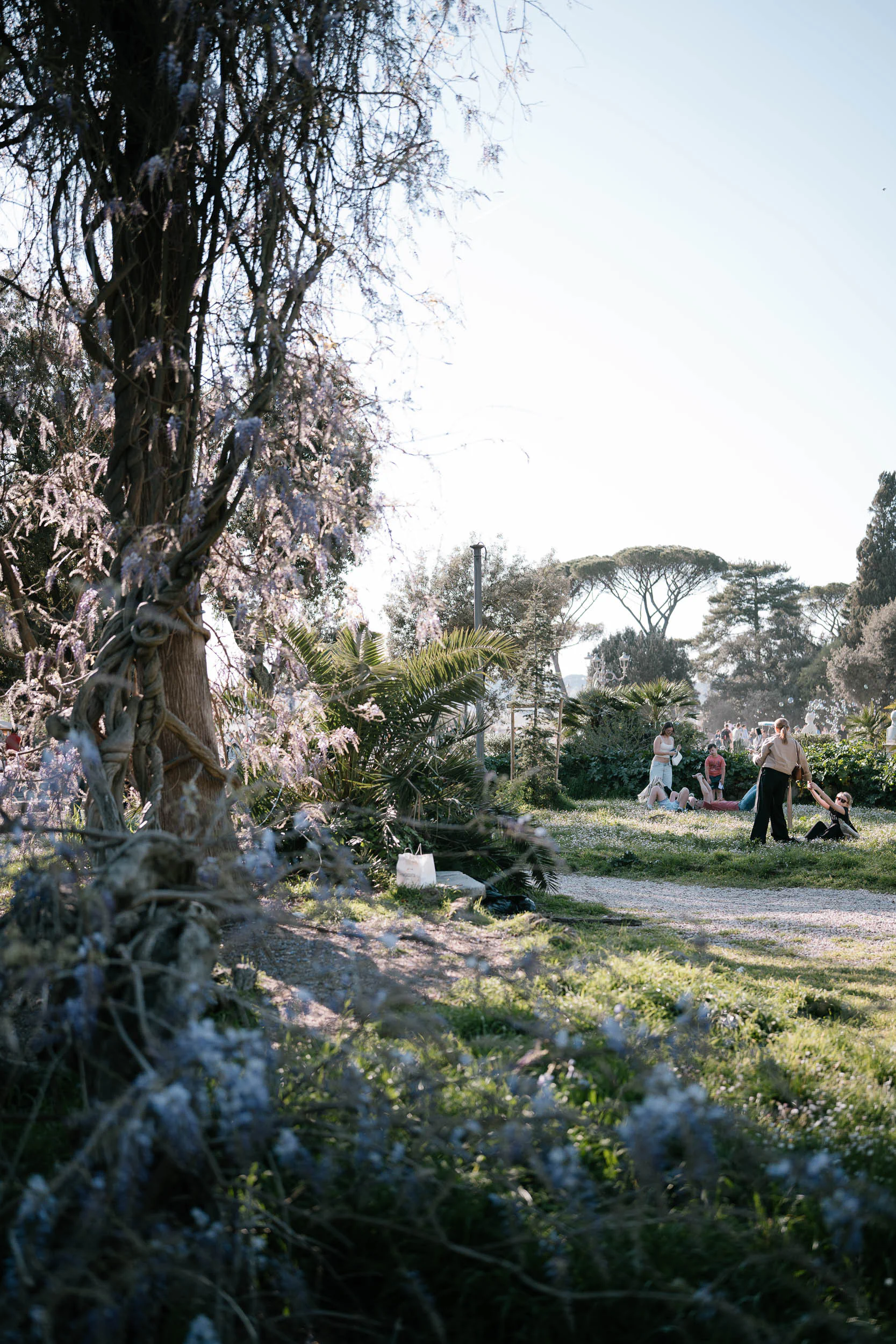
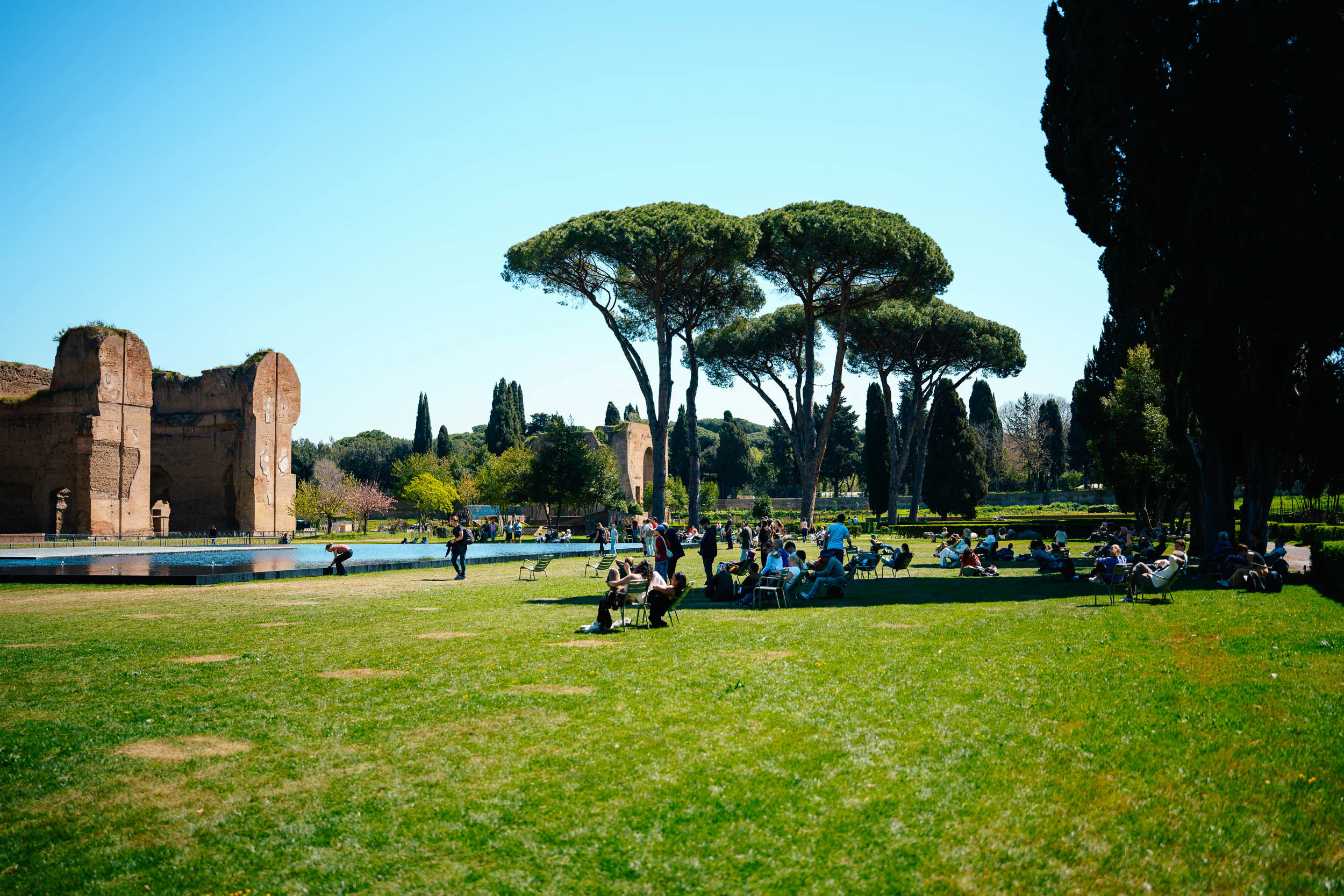
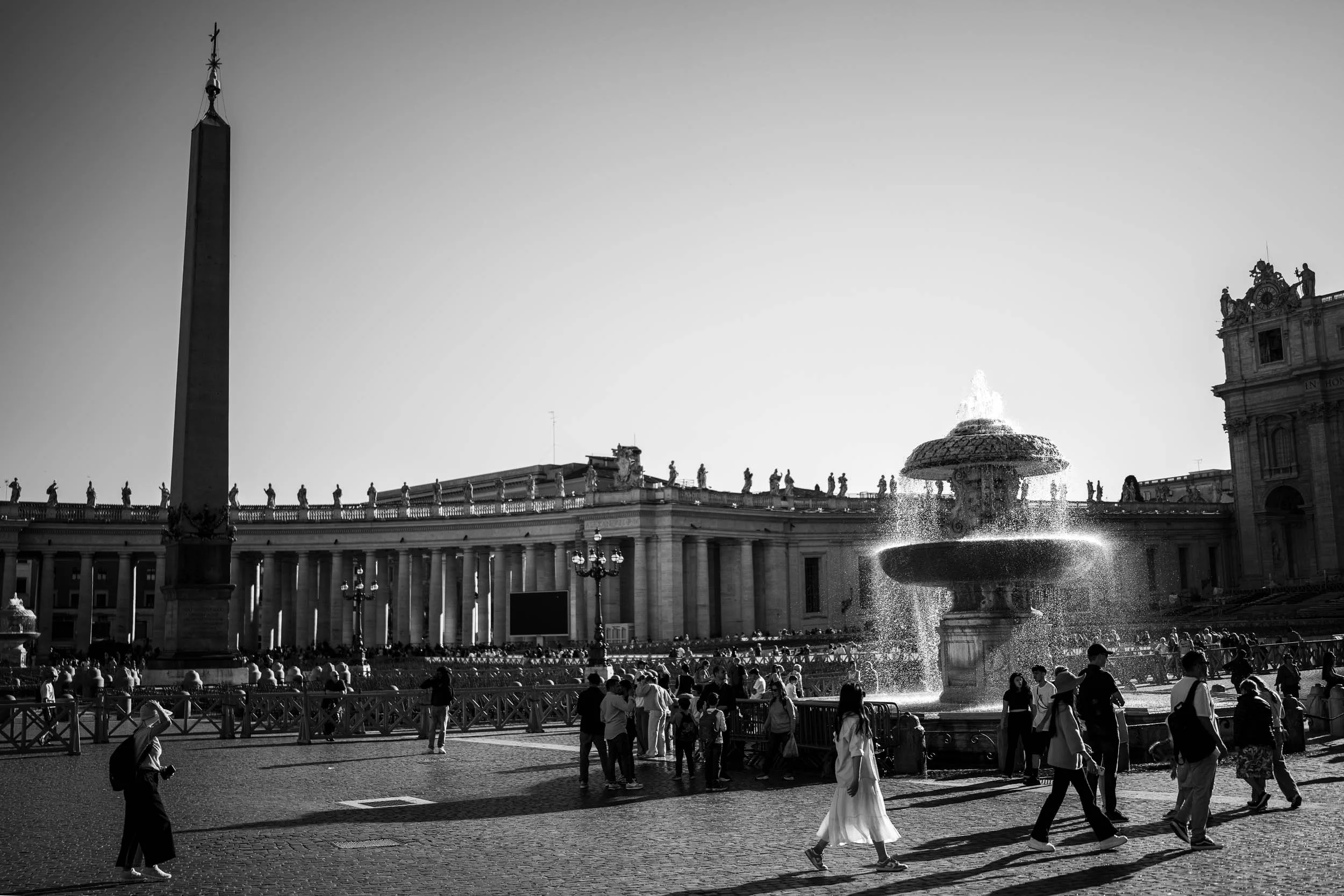
For me however, the biggest strength in practice is something else entirely: this lens makes photography feel enjoyable again. It combines strong technical performance with a rendering style that flatters subjects naturally without ever feeling artificial. That is exactly why it became one of my favorite lenses to use throughout Rome.
Conclusion: Who is the Sigma 35mm f/1.4 DG II Art for?
The Sigma 35mm f/1.4 DG II Art proved in Rome to be a highly reliable all-round prime lens. It combines strong sharpness already at f/1.4, fast autofocus, and a natural rendering with a very consistent and enjoyable overall handling in everyday use. The 35mm focal length turns out to be very versatile for street, architecture, and travel photography, only reaching its limits in a few extreme situations. What stands out most is the consistent image quality across all lighting conditions, including night scenes. The main trade-offs are the audible autofocus motor and the lack of flexibility compared to a zoom lens. Still, it remains a very balanced lens that primarily convinces through reliability and image quality. Overall, it is a clear recommendation for anyone looking for a single high-quality prime lens for travel and everyday photography.
Sigma 35mm F1,4 DG II Art, Sony E-Mount

Sigma 35mm F1,4 DG II Art, Sony E-Mount
Product Features
- f/1.4 Lichtstärke für Bokeh
- Hervorragende Auflösung
- Schneller Autofokus
- Wetterfestes Design
Disclaimer
The Sigma 35mm f/1.4 DG II Art was provided to me by Ott + Wyss AG for this review. The lens was returned to Ott + Wyss AG after testing. All impressions and opinions are entirely my own, based on my real-world experience using the lens throughout the trip, and were not influenced by external parties.