Yashica City100 – A Journey Through Rome | Review
- Marvin Kuhn
- Sponsored , Cameras , Review
- June 22, 2026
Table of Contents
The Yashica City100 aims to be one thing above all else: a simple, hassle-free camera for everyday adventures. With its retro-inspired design, compact body, and straightforward controls, it’s clearly targeted at people who want something more capable than a smartphone without diving into the complexity of interchangeable-lens cameras. But how well does that idea hold up in real-world use? To find out, I took the City100 with me on a trip to Rome, using it as my secondary camera throughout the journey.
First Impressions
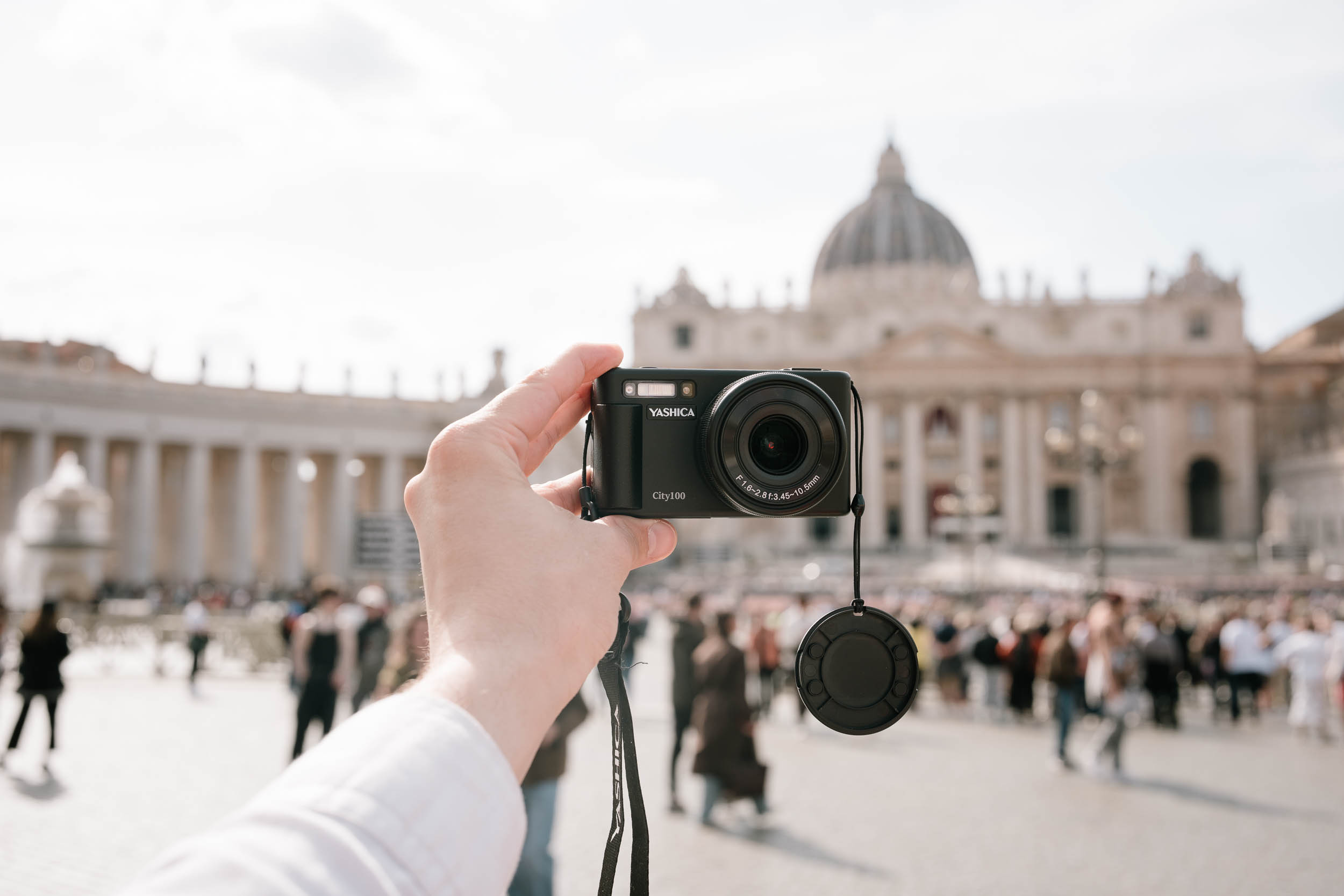
Right from unboxing, the City100 made a positive first impression. The packaging is compact, the included accessories are surprisingly complete for a camera in this price range, and those small details go a long way in shaping the overall experience. My review unit came with a USB-C charging cable, a pre-charged battery, a carrying pouch, a wrist strap, and a small decorative tag. For a product clearly aimed at a younger, style-conscious audience, the presentation feels well thought out rather than excessive.
The camera itself also exceeded my expectations. Build quality feels solid, the body is pleasantly compact, and the design strikes a nice balance between modern and retro aesthetics. One feature I particularly liked is the magnetic lens cap. It avoids complicated mechanisms while remaining securely attached with a safety cord. It’s a familiar concept executed in a clean, modern way. Other practical touches include USB-C charging, a 3.5 mm microphone input, and microSD card support—exactly the kind of connectivity that’s genuinely useful in everyday use.
Using the City100 in Rome
To properly evaluate the camera, I brought the Yashica City100 along as my secondary camera during a trip to Rome. While my main interchangeable-lens camera came with me as well, this is where the City100 proved its biggest strength: it’s lightweight, uncomplicated, and easy to throw into a backpack. On days when you simply want to head out without overthinking your gear, that’s a real advantage.
During the trip, I visited much of the city, including the Botanical Garden of Villa Borghese, the Temple of Aesculapius, the Terrazza del Pincio, the Spanish Steps, the Roman Forum, the Colosseum, the Monument to Victor Emmanuel II, Circus Maximus, the Pantheon, Trastevere, and the Baths of Caracalla. This combination of narrow streets, open squares, architectural details, and constantly changing light created an excellent real-world test for the City100.


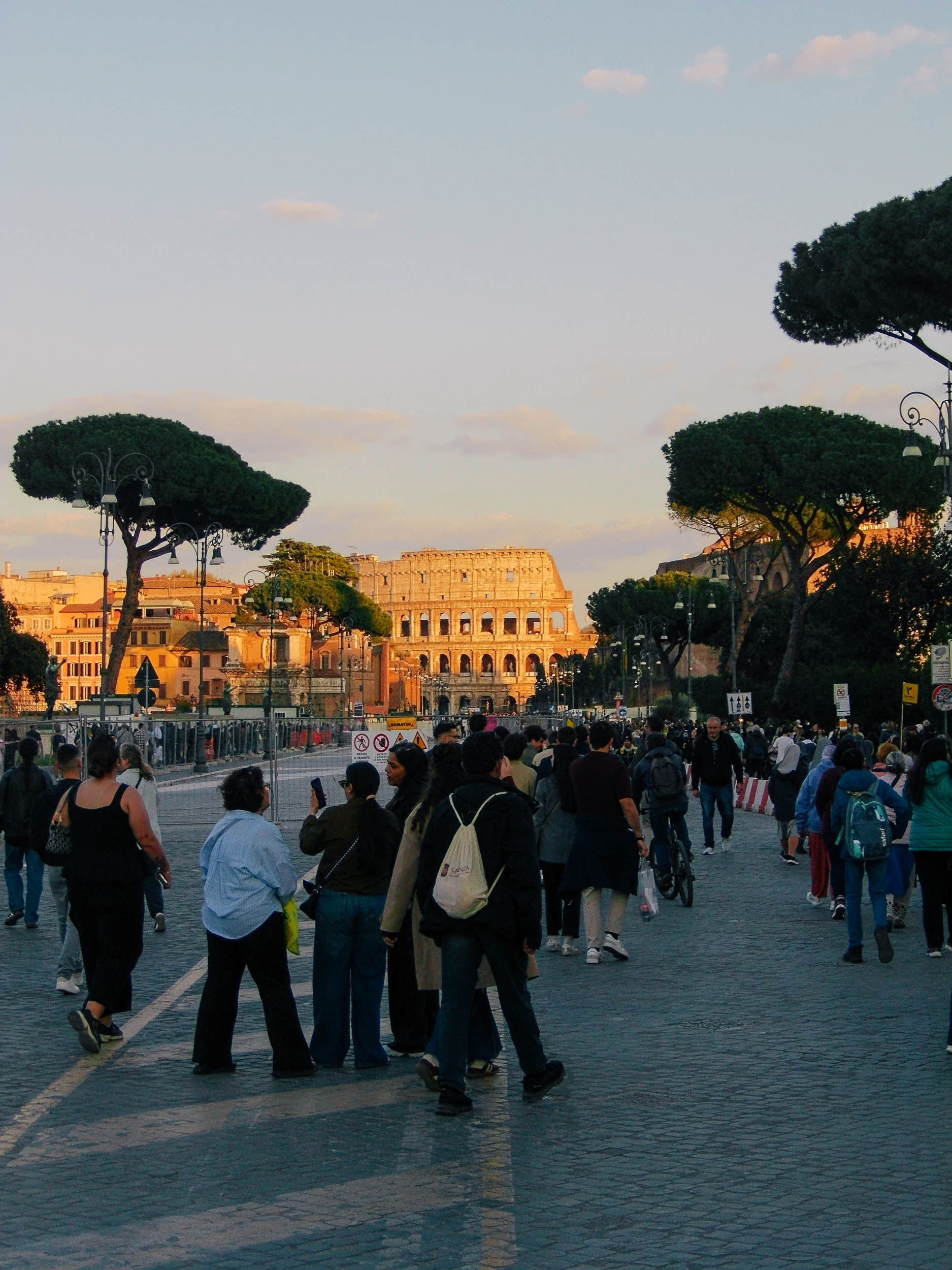

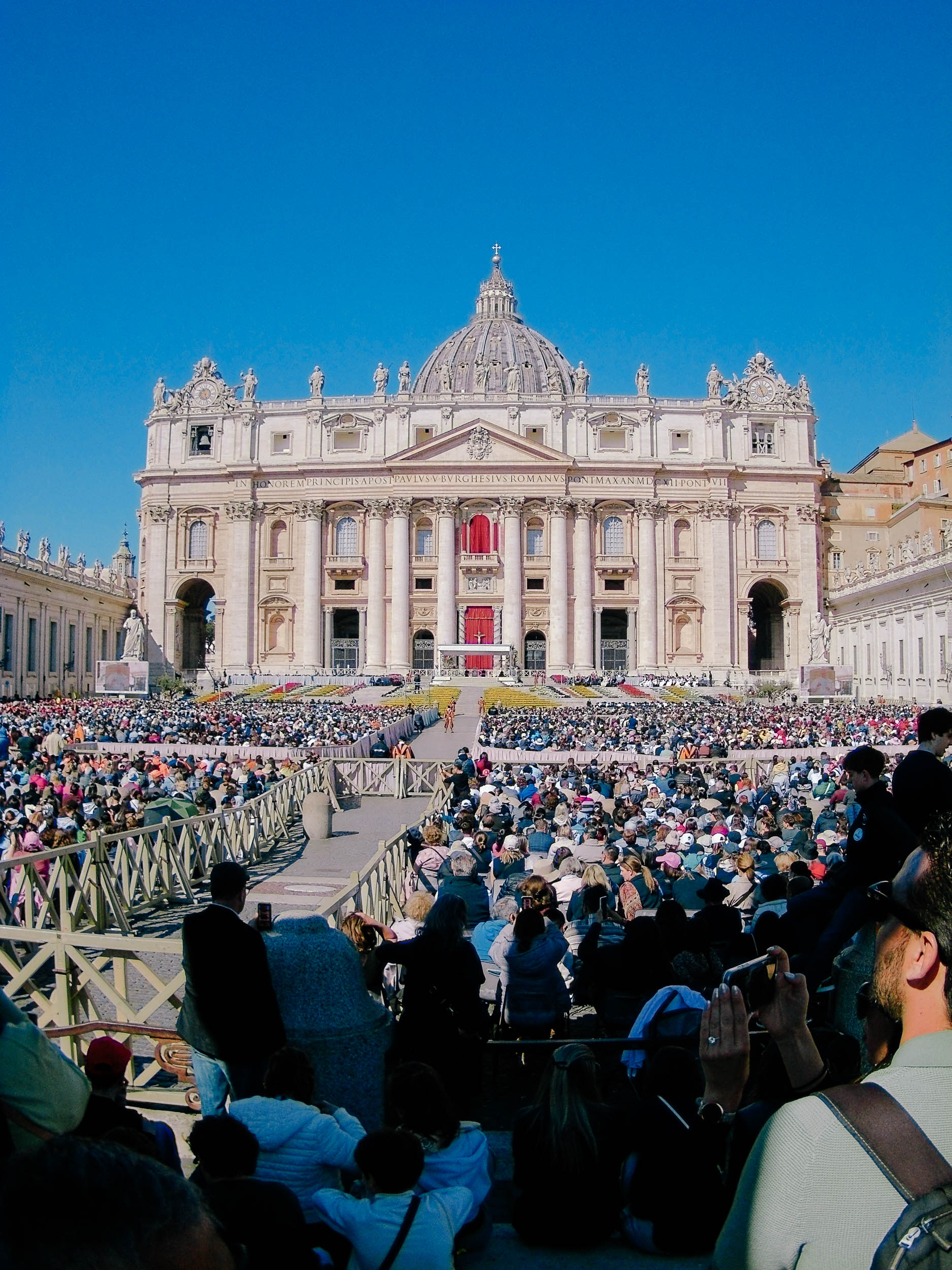
One of the camera’s strongest points is its low weight. It’s not quite pocket-sized, but it easily fits into a small bag or daypack. That’s exactly what it’s designed for: something you can bring along without thinking twice. In that sense, it comes close to being an everyday carry camera, although its overall performance makes it feel more like a casual companion than a true all-purpose solution.
The optical zoom was another pleasant surprise. In a city like Rome, where architectural details, rooftops, and distant landmarks constantly present interesting compositions, an optical zoom is significantly more useful than relying solely on digital zoom. I was also impressed by the Bluetooth companion app. While it only offers the essentials—remote control, image transfer, and a handful of settings—it does everything the intended audience is likely to need.
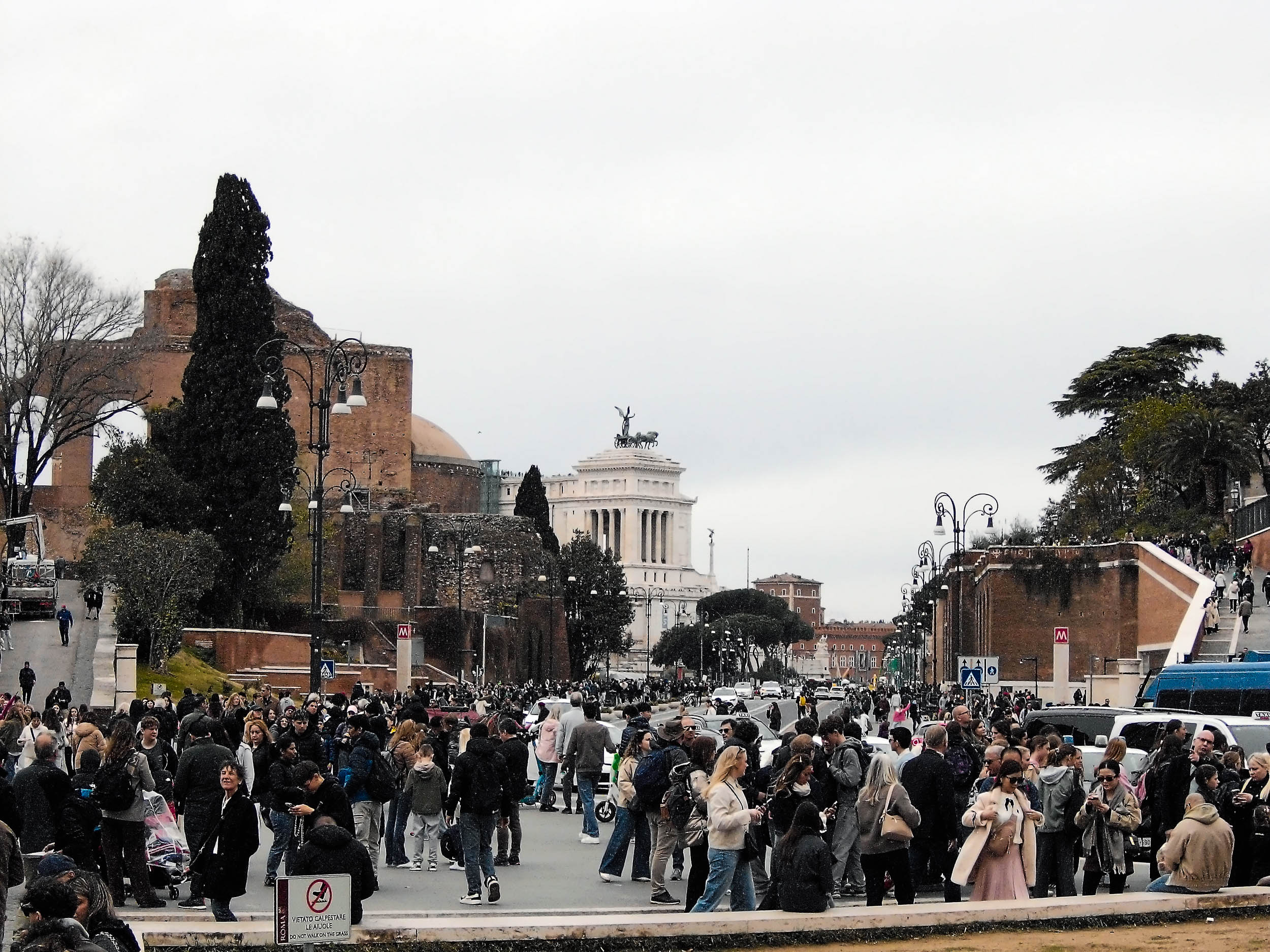
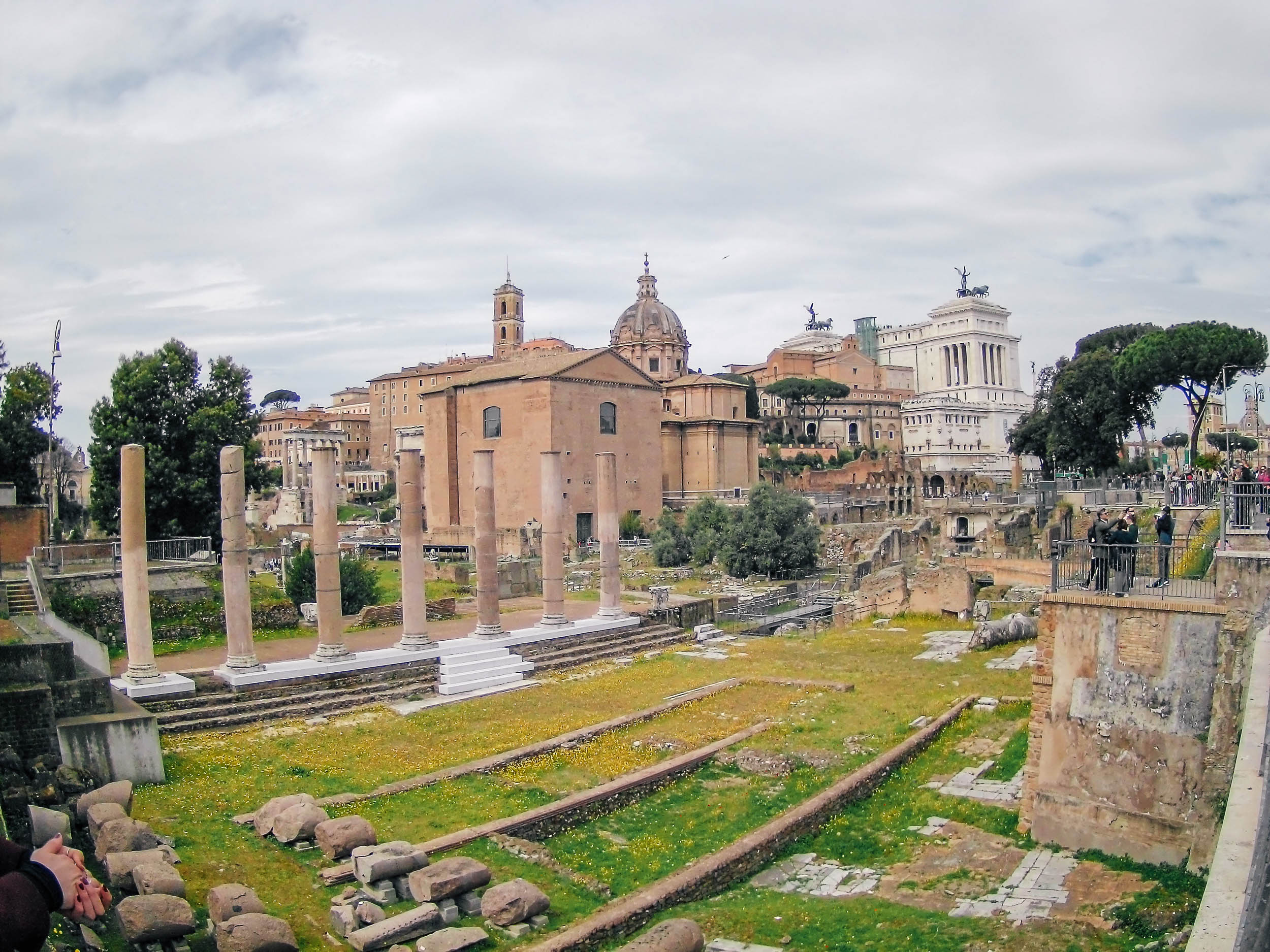
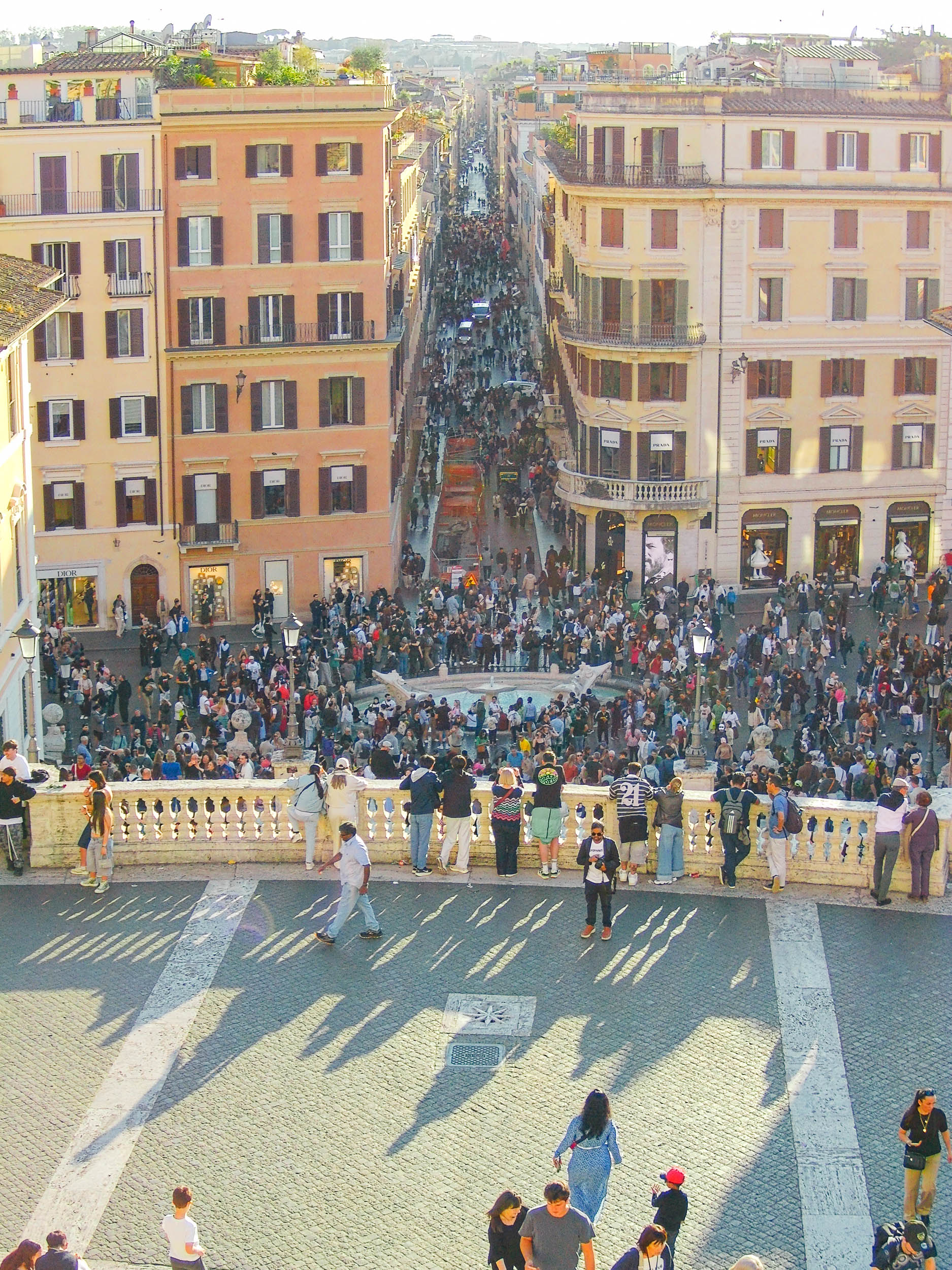
In slower-paced situations, the camera has its own charm. When you deliberately slow down and take your time composing images, it can produce photographs that are enjoyable simply because they capture the moment rather than because they’re technically perfect. Black-and-white photography enhances this feeling even further, as many of the optical shortcomings become less noticeable.
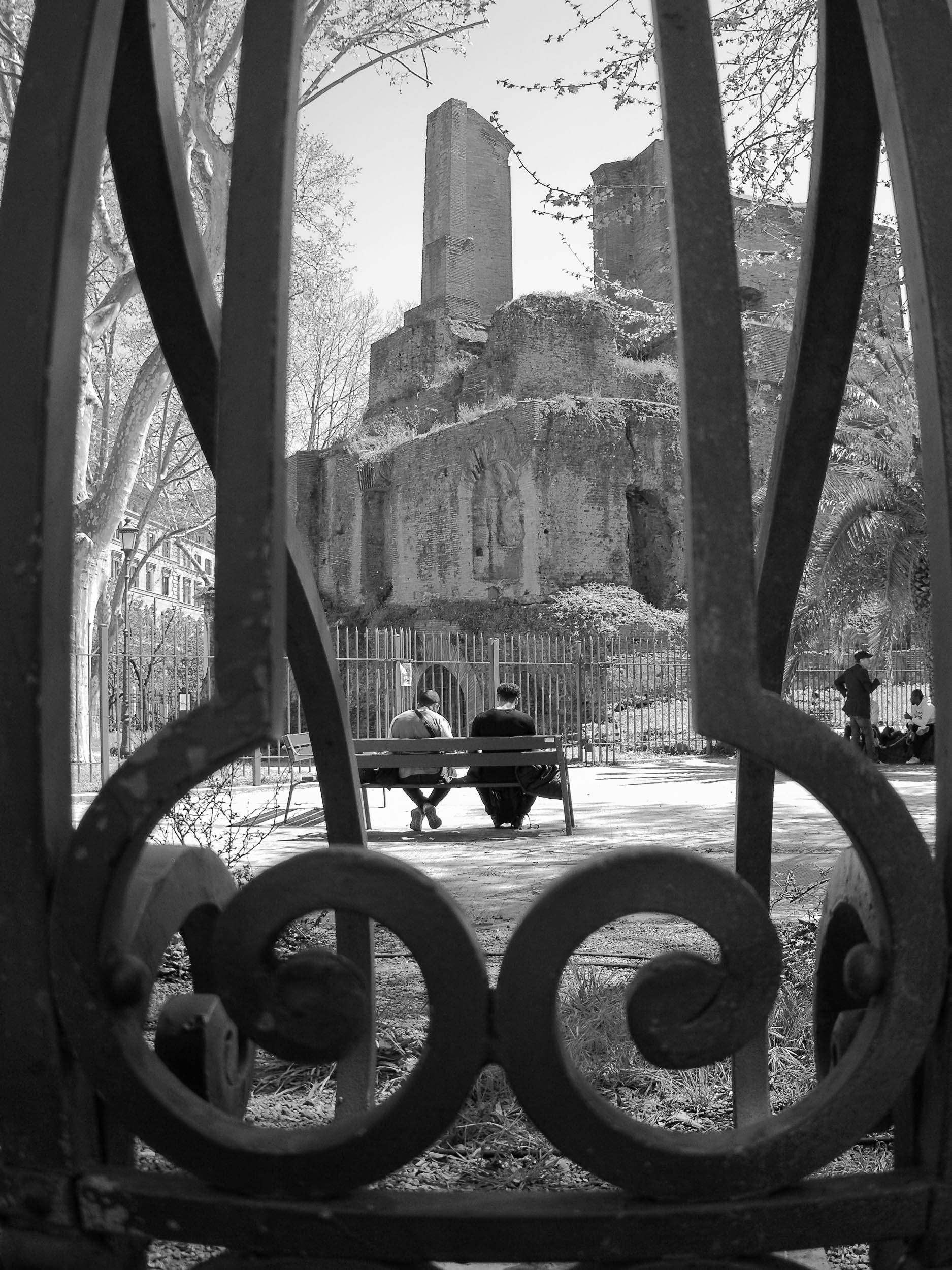

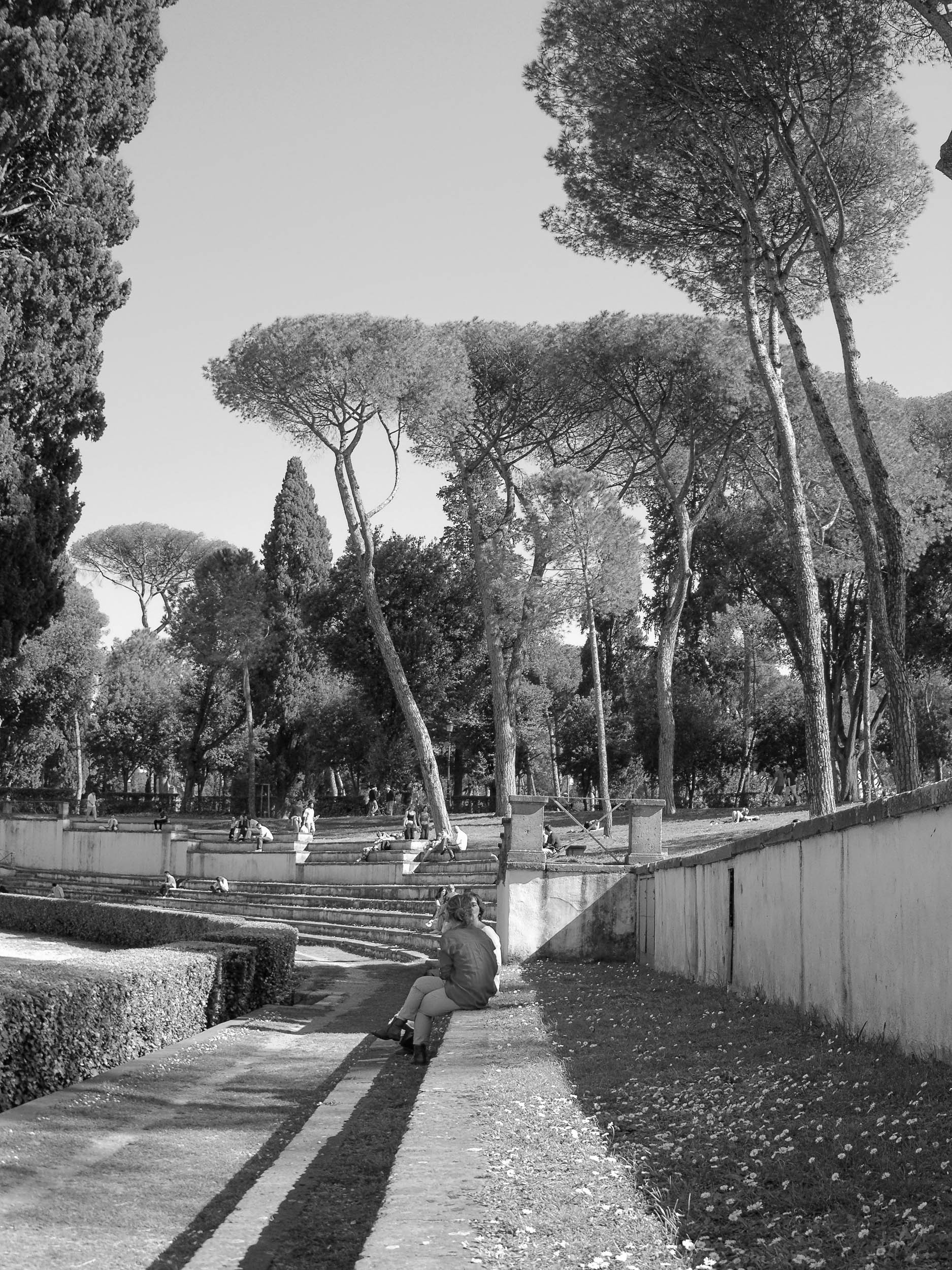
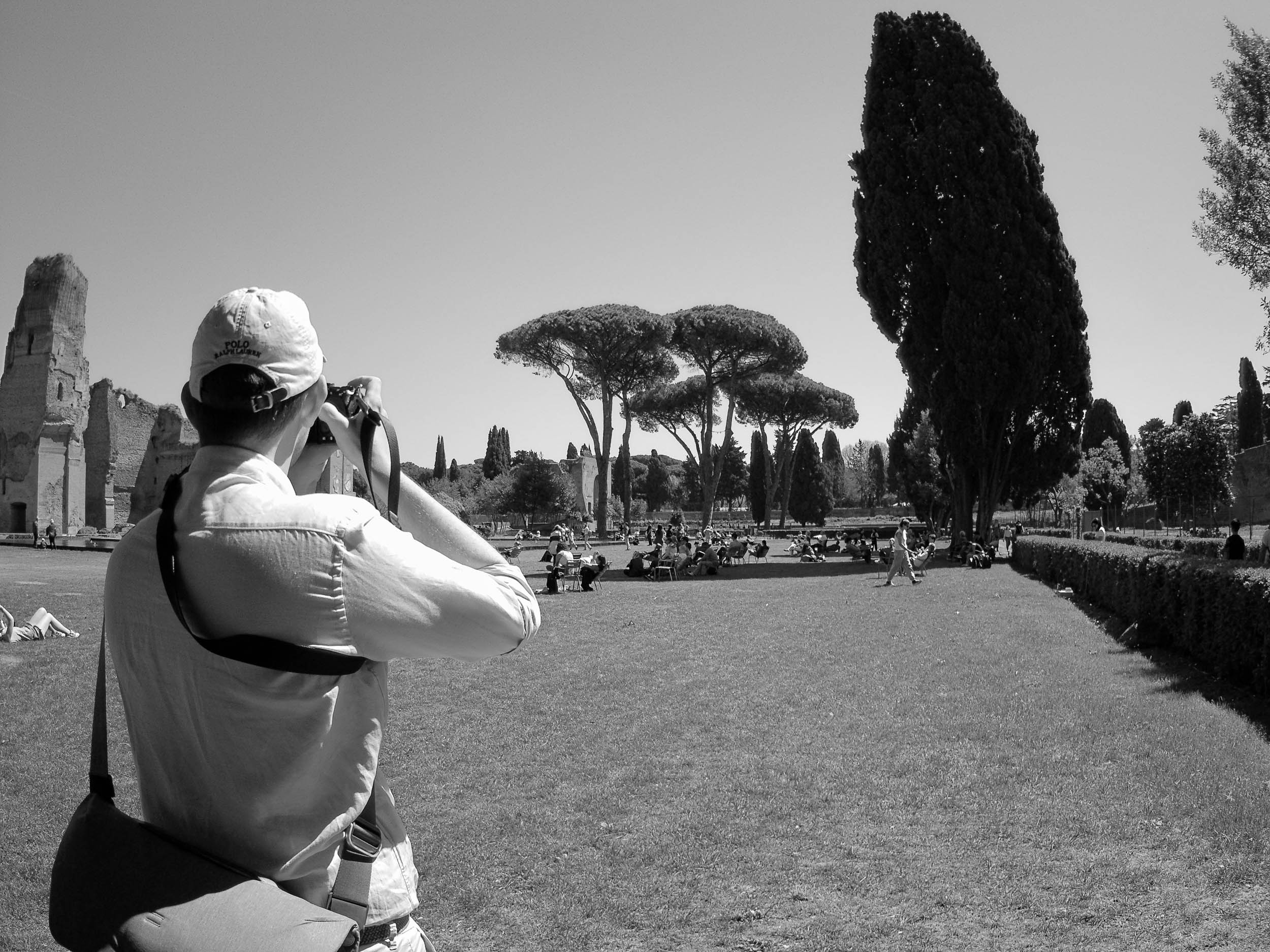


However, once subjects become more dynamic or the available light starts to fade, the City100 begins to struggle. The zoom operates fairly slowly, and autofocus is often too inconsistent for spontaneous street photography. In many situations, focus either hesitated or required a second or two before locking on. Low-light performance also revealed the sensor’s limitations. Image noise becomes clearly visible, the built-in flash lacks power, and dynamic range drops noticeably in high-contrast scenes. Highlights clip easily, shadows lose detail, and chromatic aberrations remain quite visible along high-contrast edges.
The available picture styles also left me somewhat underwhelmed. Whether using “Natural” or “Vivid,” the images often appeared rather flat and almost always required post-processing before they looked their best. Even relatively straightforward scenes such as the Terrazza del Pincio, the Spanish Steps, or the square in front of the Pantheon often demanded more patience than I’d normally expect from a camera designed for casual photography. At locations like the Colosseum, the Roman Forum, and the Baths of Caracalla, flare, contrast issues, and the camera’s limitations in difficult lighting became even more apparent.
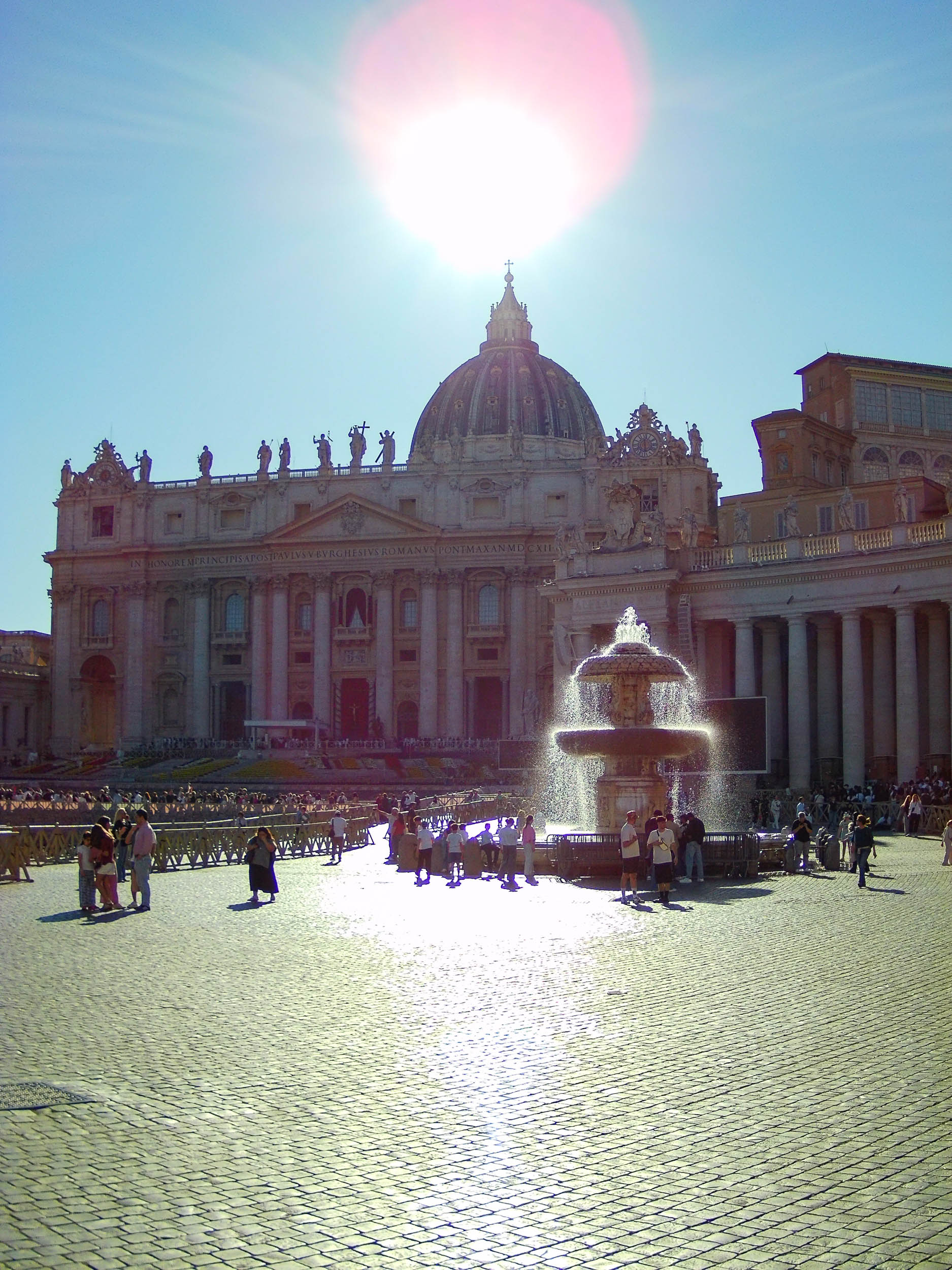

My impressions were similar when shooting video. Video quality is especially disappointing in low-light conditions, and compared directly with today’s smartphones, the City100 falls noticeably behind. Given its small sensor, this isn’t particularly surprising, but it’s still an important drawback for vloggers or content creators who occasionally want to record video on the go.
Verdict: Who Is the Yashica City100 For?
The Yashica City100 stands out through its attractive design, lightweight construction, and ease of use. Its optical zoom adds genuine versatility, and in good lighting conditions it can certainly capture enjoyable travel memories.
At the same time, real-world use exposes some significant limitations. Autofocus performance, shutter response, and overall image quality simply can’t keep up with modern smartphones or today’s best compact cameras. In low light, high-contrast scenes, or fast-moving situations, those limitations become apparent very quickly.
If you’re looking for a stylish, easy-to-use travel camera for casual photography, the City100 can still be an enjoyable companion. However, photographers who prioritize reliable image quality, fast performance, and greater creative flexibility will find stronger alternatives on the market. Ultimately, the City100 succeeds more through its character and design than through its technical performance.
Disclaimer
This article was created in collaboration with Perrot Image SA. The camera was provided to me free of charge for content creation purposes, but I did not receive any financial compensation. As always, this collaboration had no influence on my opinion or on the conclusions of this review.