
Portraits with the Tamron 16-30mm f/2.8 G2 – experience report, landscape, architecture and portrait photography from Berlin to Rome
- Marvin Kuhn
- Experience reports , Review , Lenses
- August 10, 2026
Table of Contents
Portrait photography with the 16-30mm f/2.8 from Tamron is genuinely a lot of fun, but it is not really a portrait lens, is it? In fact, it is more of a lens for landscape and architecture photography. But it would be rather boring to use a lens only for its intended purpose. That is why I did not only test it for landscape and architecture, but also explored other genres such as portrait photography. In this experience report, I want to share my impressions and experiences with the Tamron 16-30mm f/2.8 G2 and show how versatile this ultra-wide zoom really is.
What’s in the box?
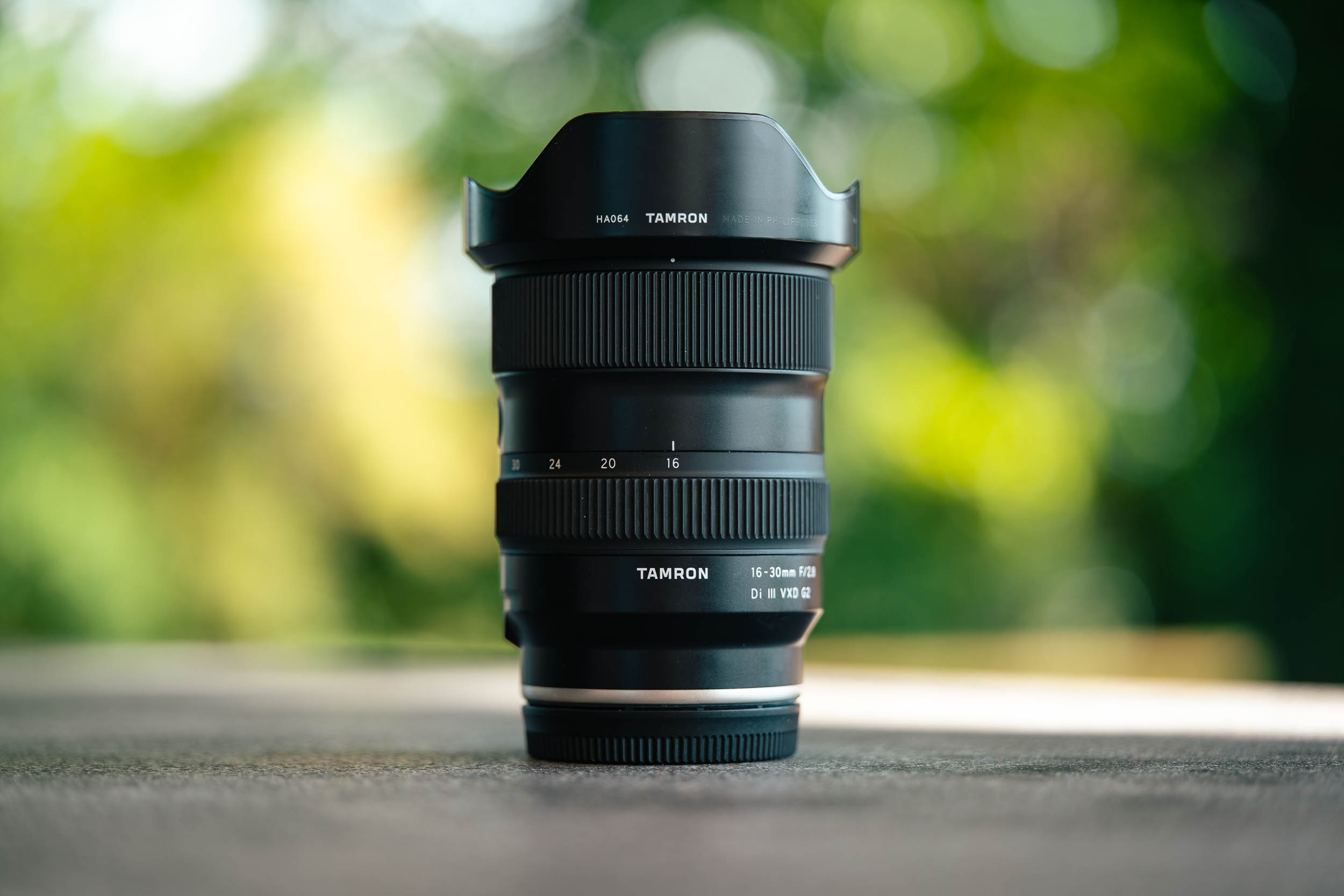
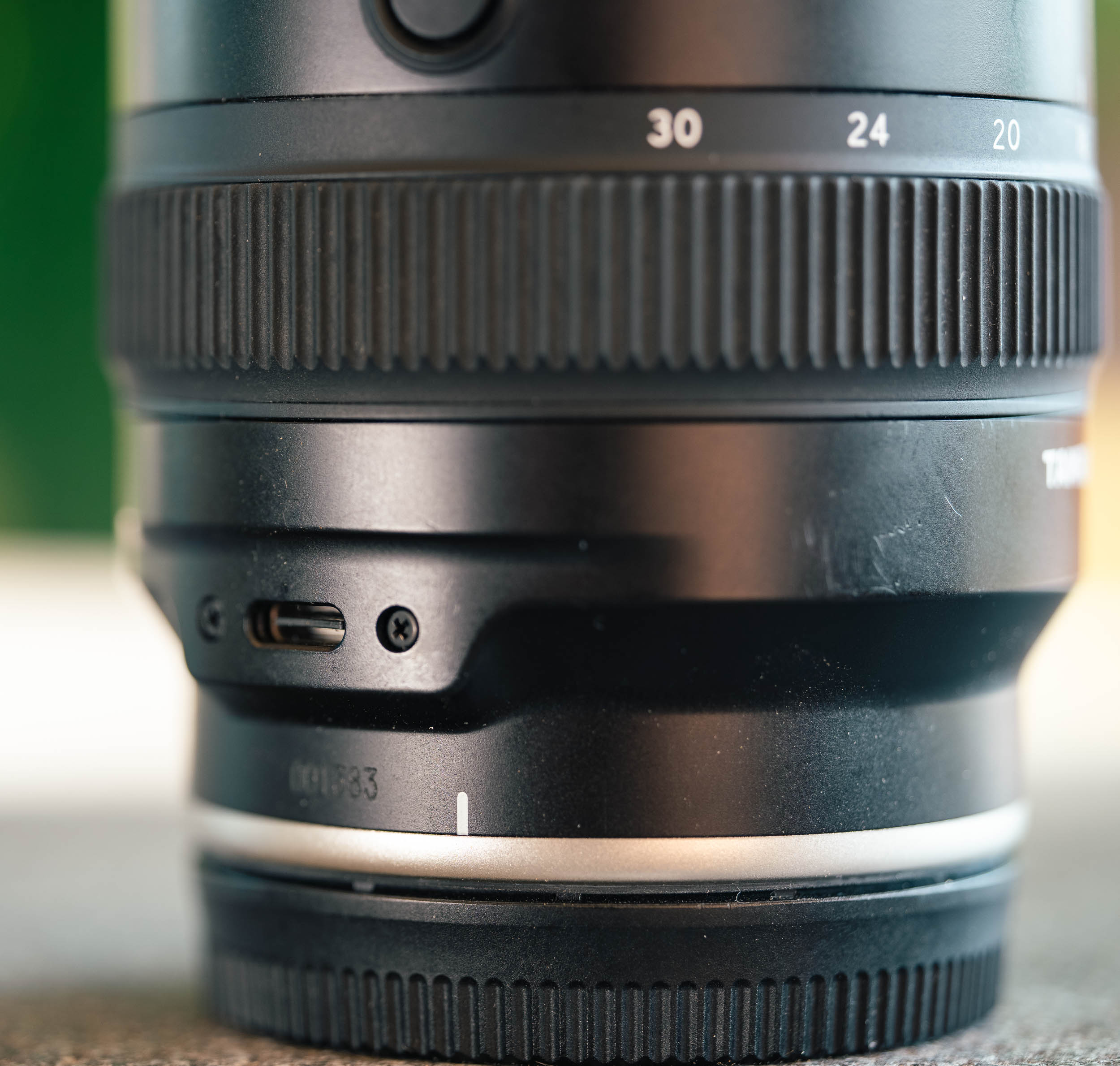
The packaging of the Tamron 16-30mm f/2.8 G2 is fairly simple, as it only includes the lens, a lens hood and the instruction manual. So, as is typical for Tamron, the contents are quite sparse, but in the end it is the lens that matters, not the extras.
The lens itself is very light, compact and small. The outer length does not change while zooming, despite its compact construction, which is a plus for video work on a gimbal. Only the front element moves inside the housing. So it is not quite an internal zoom, but it remains well protected against the weather.
Otherwise, the lens has a focus ring, a zoom ring, a custom function button and a USB-C port for firmware updates and further settings. The newly released Tamron 12-20mm f/2.8 also has a dedicated aperture ring. That is missing here, and I do not find that too problematic, because I usually set the aperture directly on the camera. What I miss more is an AF/MF switch. I will come back to that later.
Experience
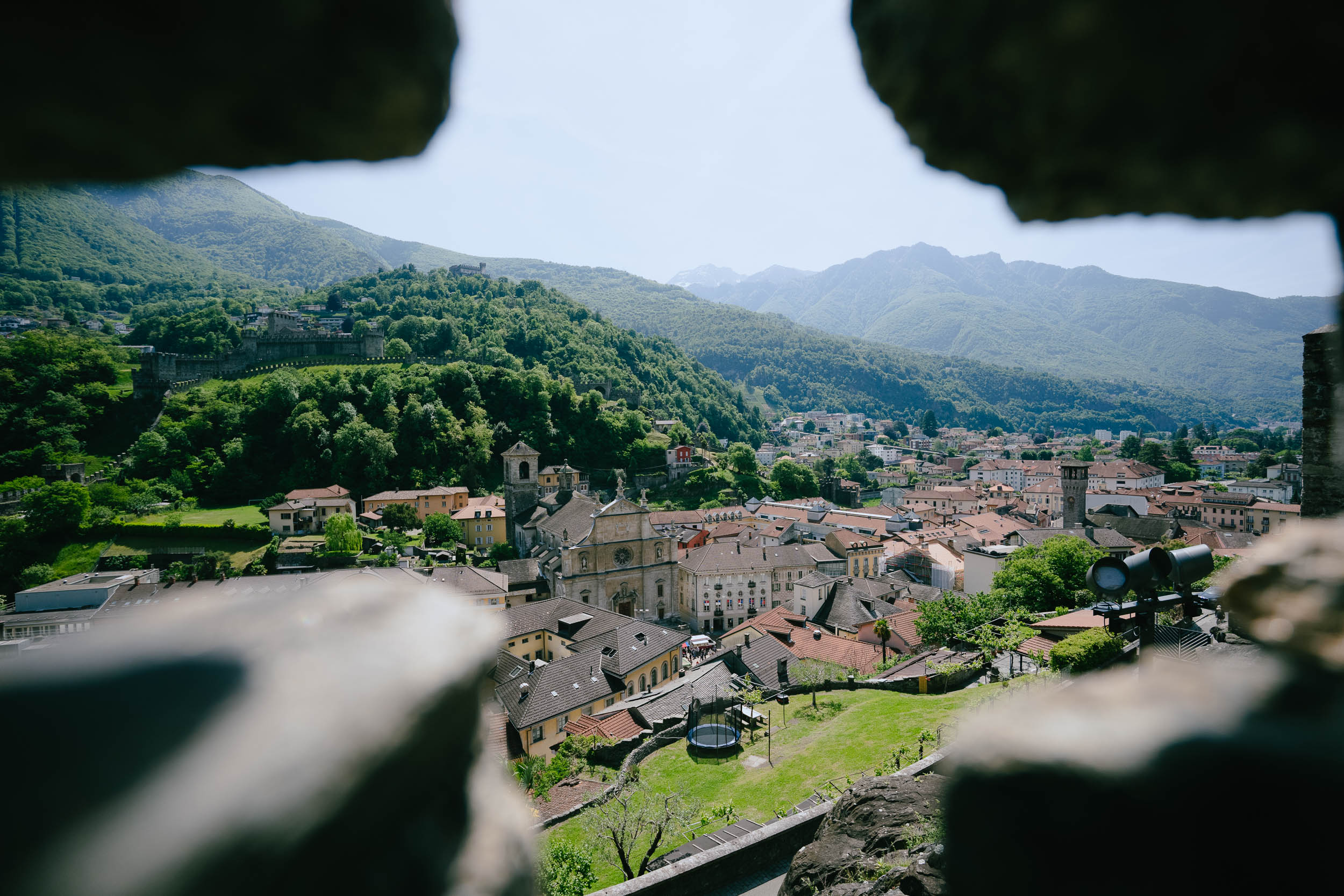
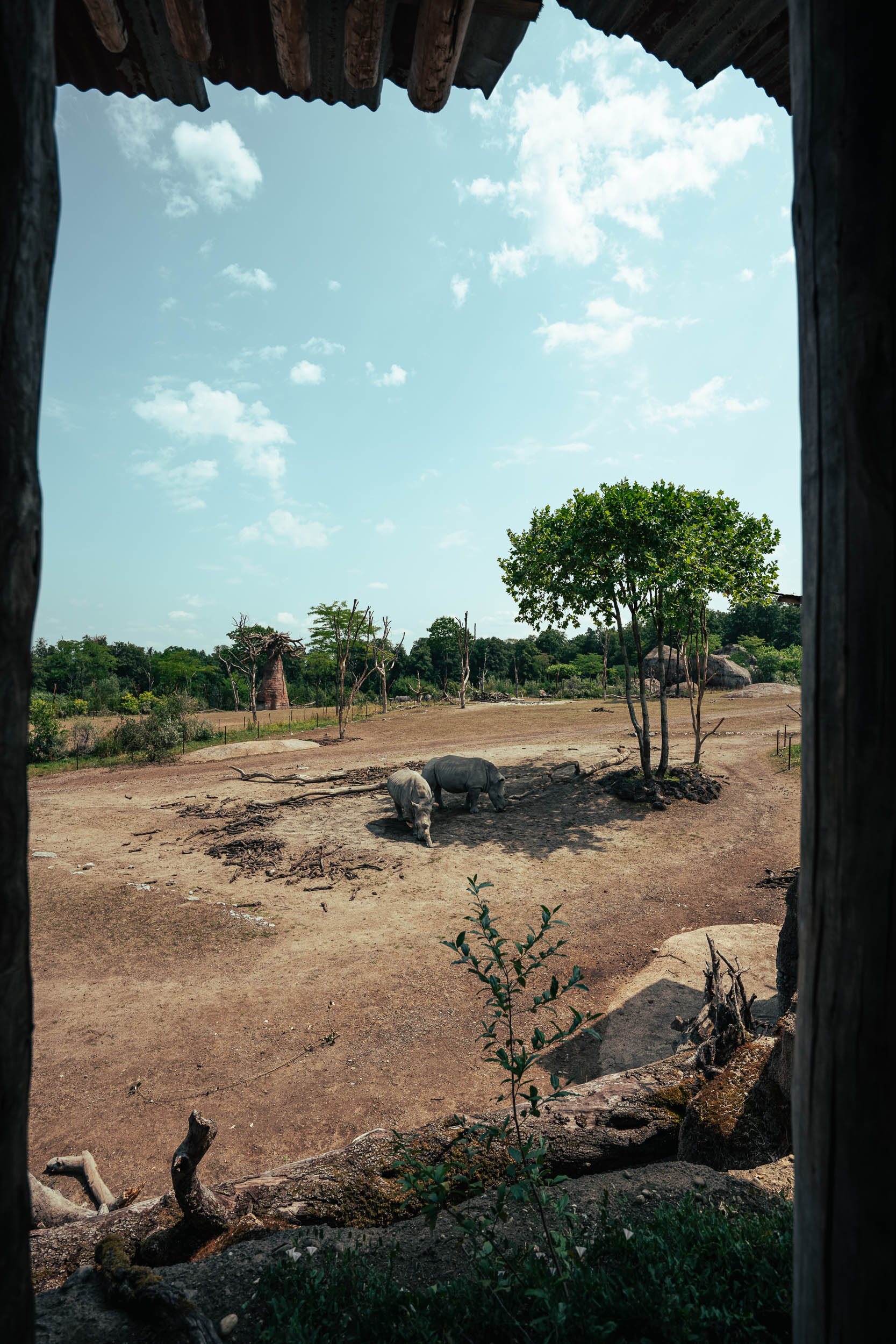
I have been using the Tamron 16-30mm f/2.8 G2 for over a year now and have taken it on quite a few trips and outings. From Berlin to Rome, from the zoo to the mountains and to various portrait shoots. You might be thinking: why portraits, and what do you need 16mm for?
You do not really need it, but it is a lot of fun to use it to create unique perspectives and looks. Thanks to the zoom range up to 30mm, it is also easy to capture a less distorted portrait from time to time, or at 16mm to consciously highlight certain details while beautifully incorporating the surroundings. I will come back to that later. In fact, the lens is mainly designed for landscape and architecture photography, and that is where I begin my experience report.
Trips to Berlin, Rome and the mountains
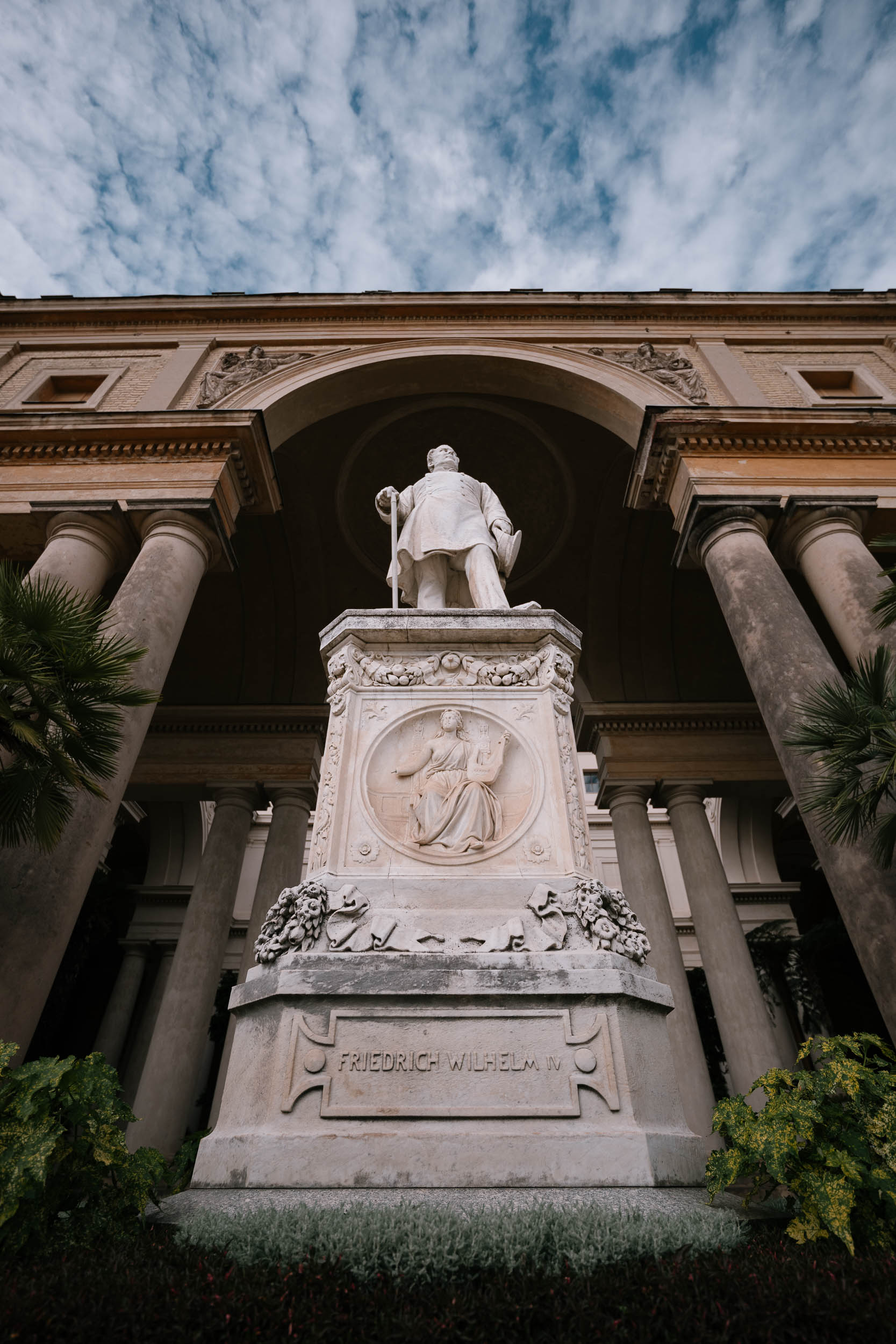
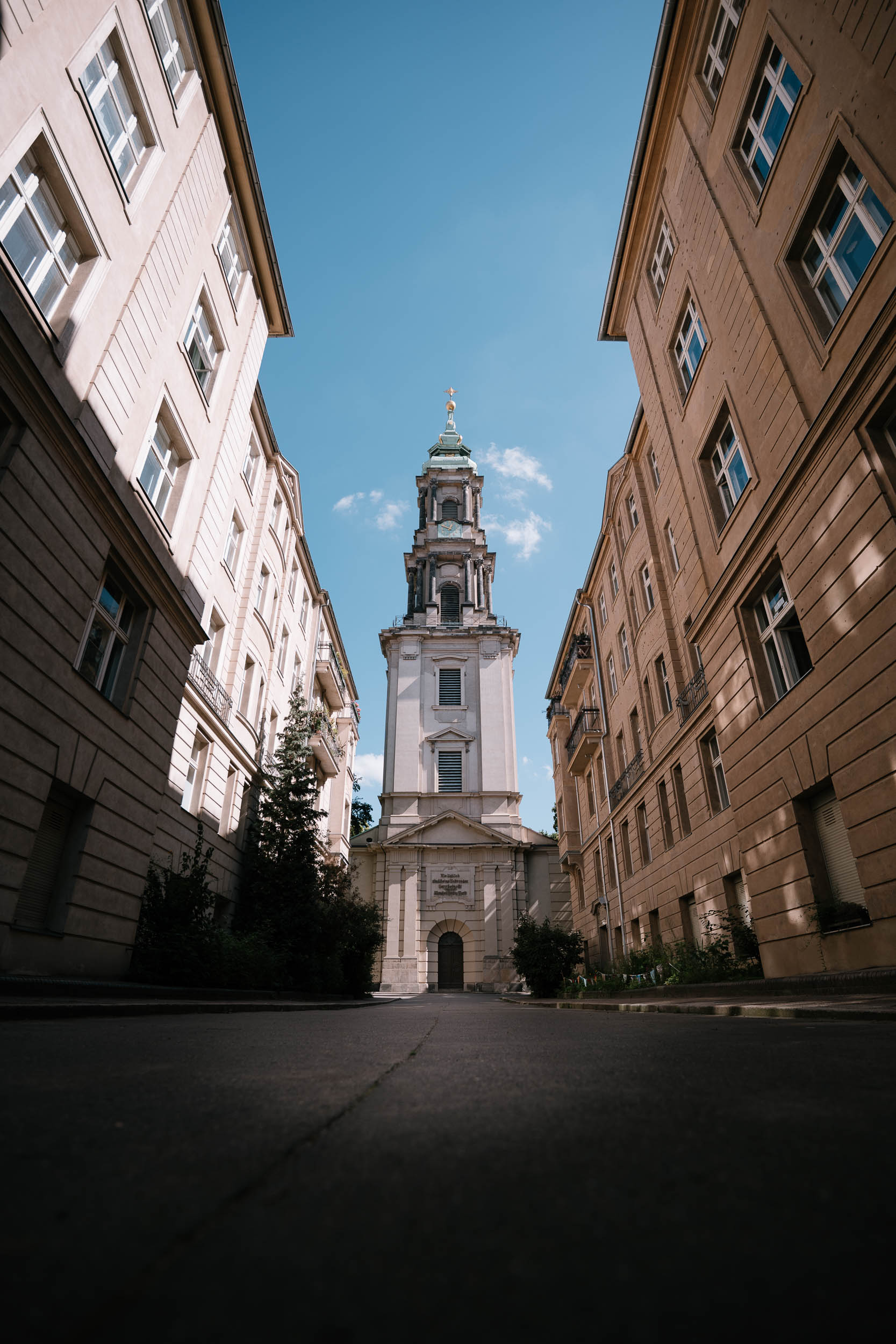
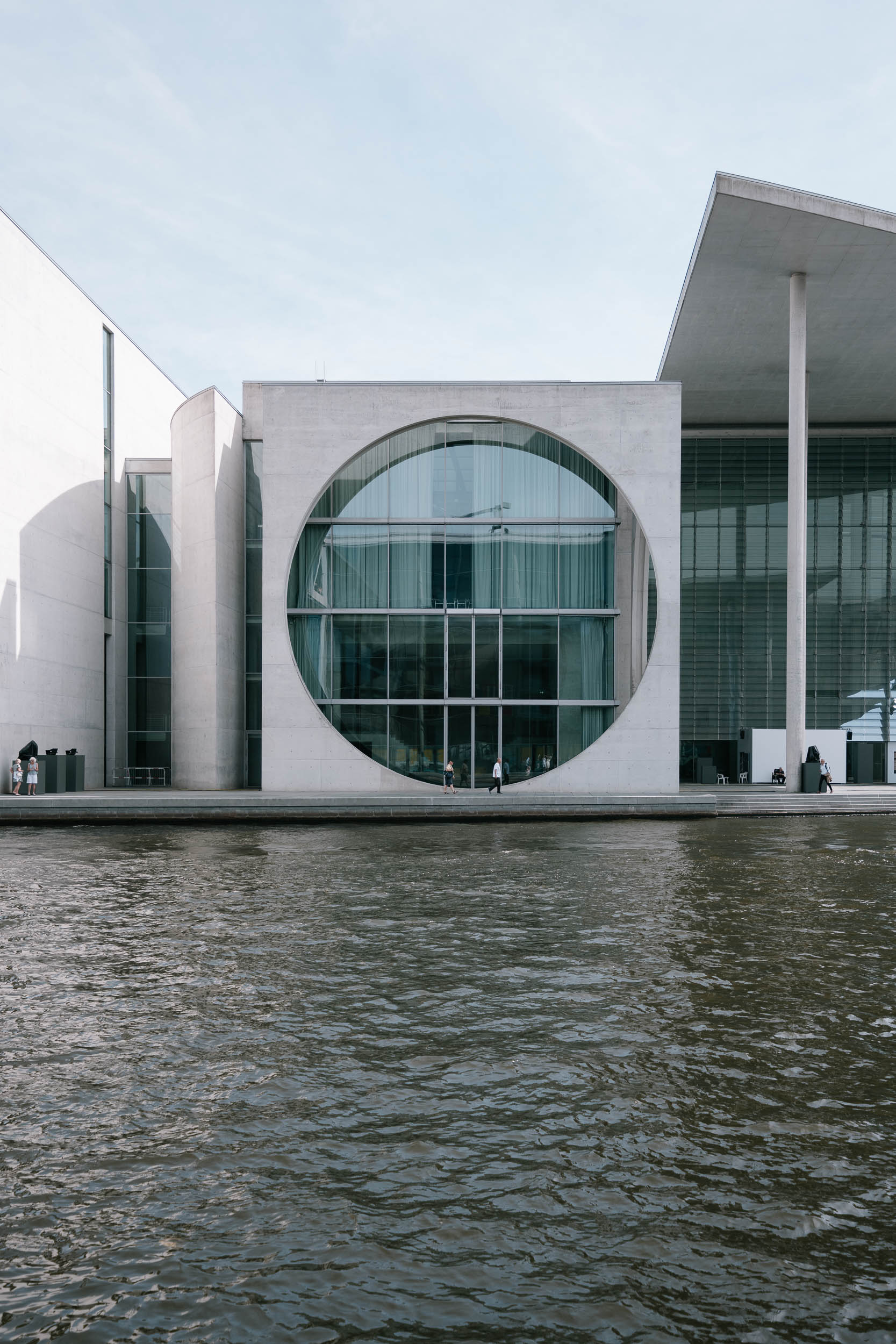
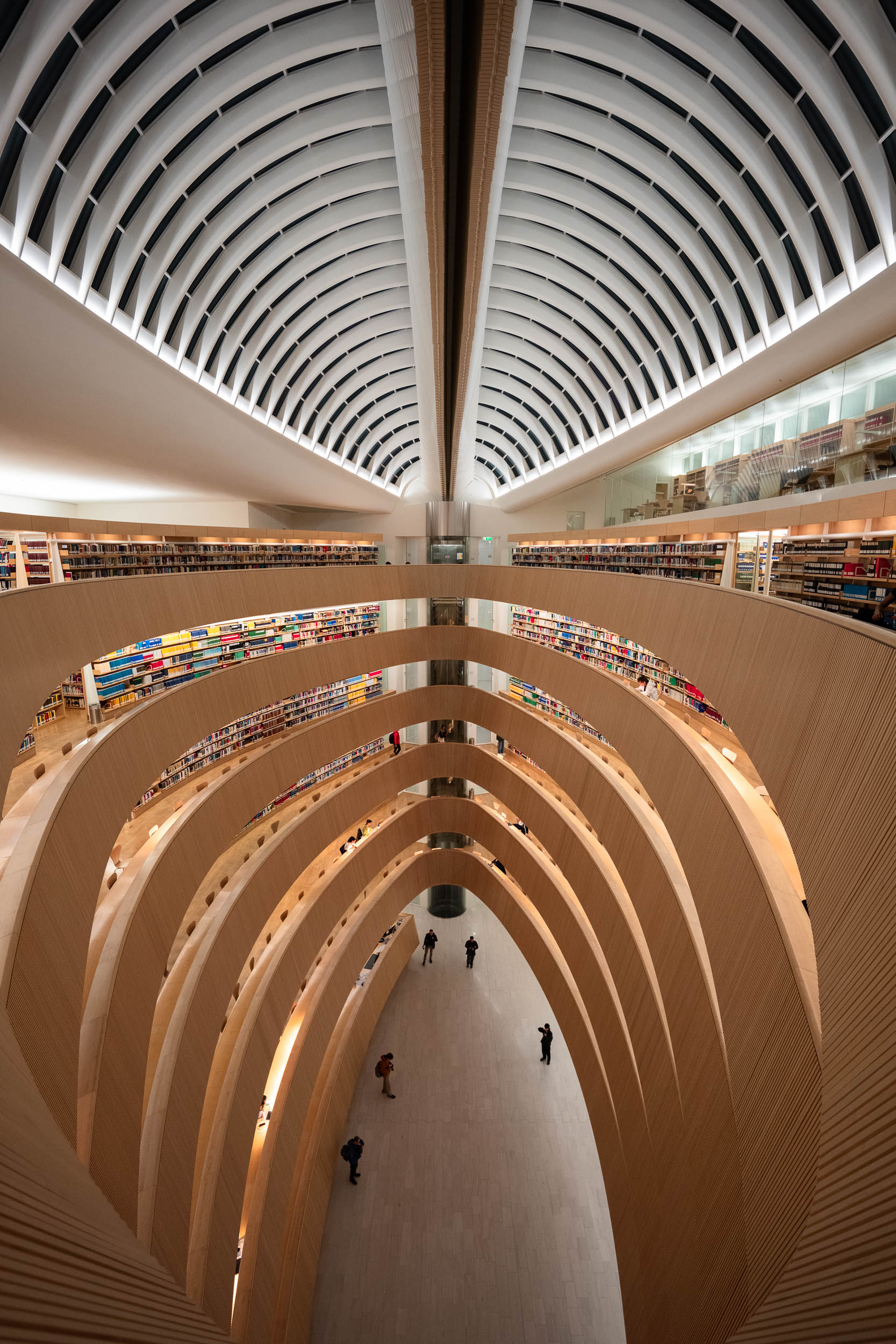
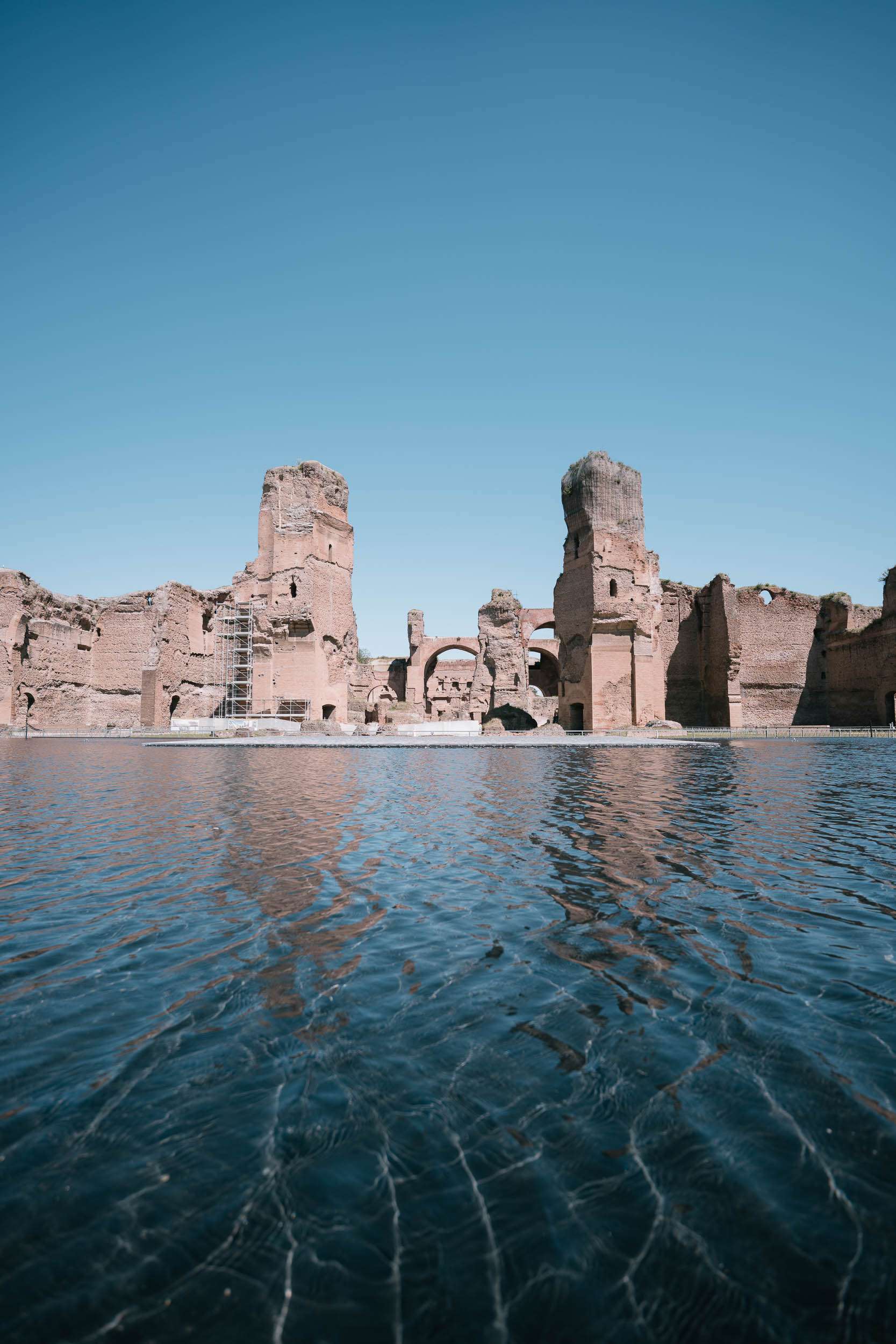
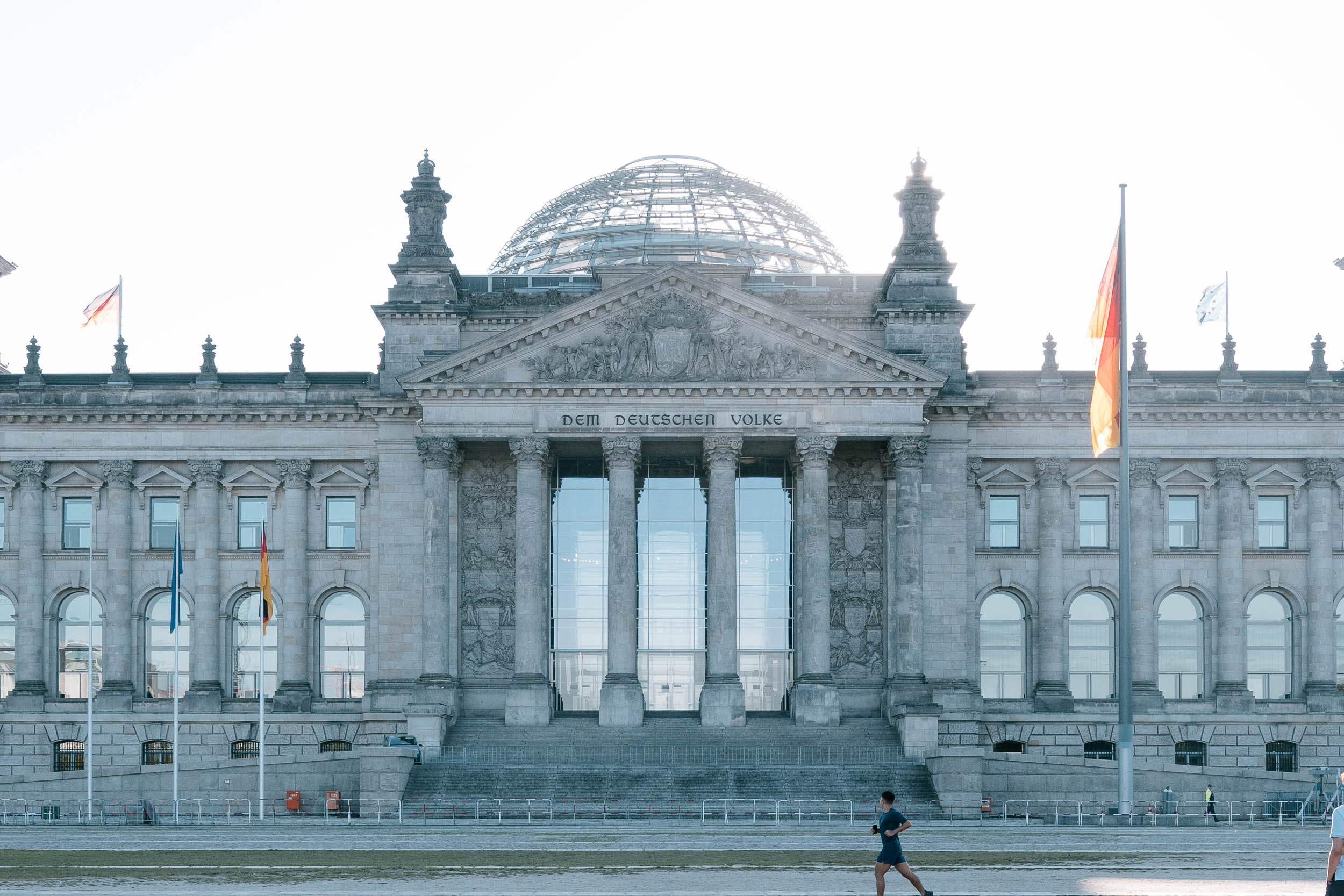
To test the lens for its intended purpose, I first took it with me on a trip to Berlin. In fact, I bought it specifically for that trip because I felt like it. In Berlin and Potsdam, I was able to photograph buildings and cityscapes very well, for which I think the lens is particularly well suited. In cities, there are often situations where you cannot simply take a few steps back. In those cases, 16mm is naturally very practical.
At the same time, I really like the zoom range up to 30mm, because not every image needs to look extremely wide-angle. Many travel situations arise spontaneously, and I do not want to keep changing lenses all the time. The lens shows only moderate distortion and is, in my opinion, well corrected. I also rarely noticed chromatic aberrations, which I would not expect from a modern Tamron lens anyway.
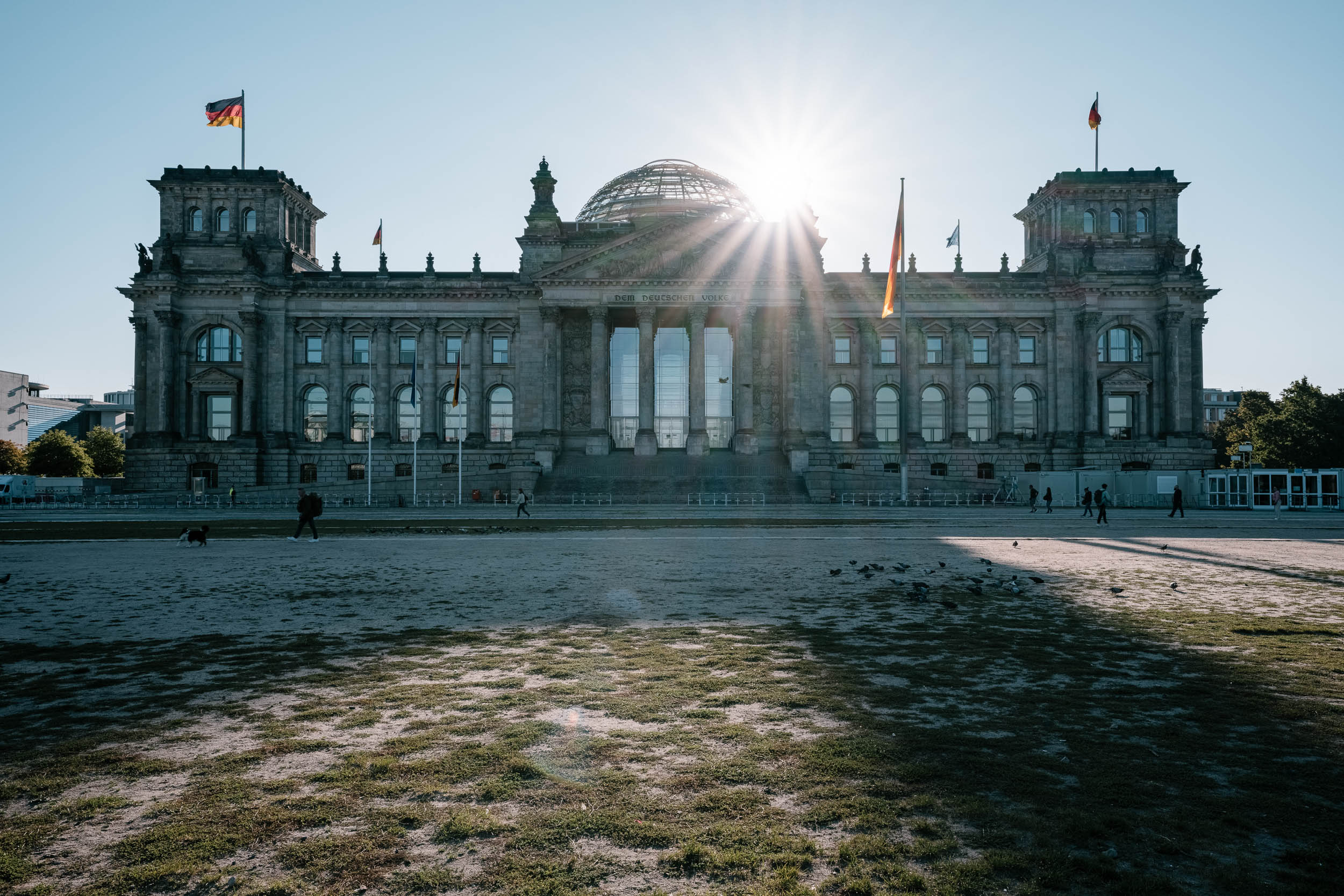
Even the backlit shots showed an overall good performance. At the Bundestag, I got good contrast and beautiful sunstars despite direct backlight. They are not quite as crisp as with some other lenses, but I personally still like them a lot.
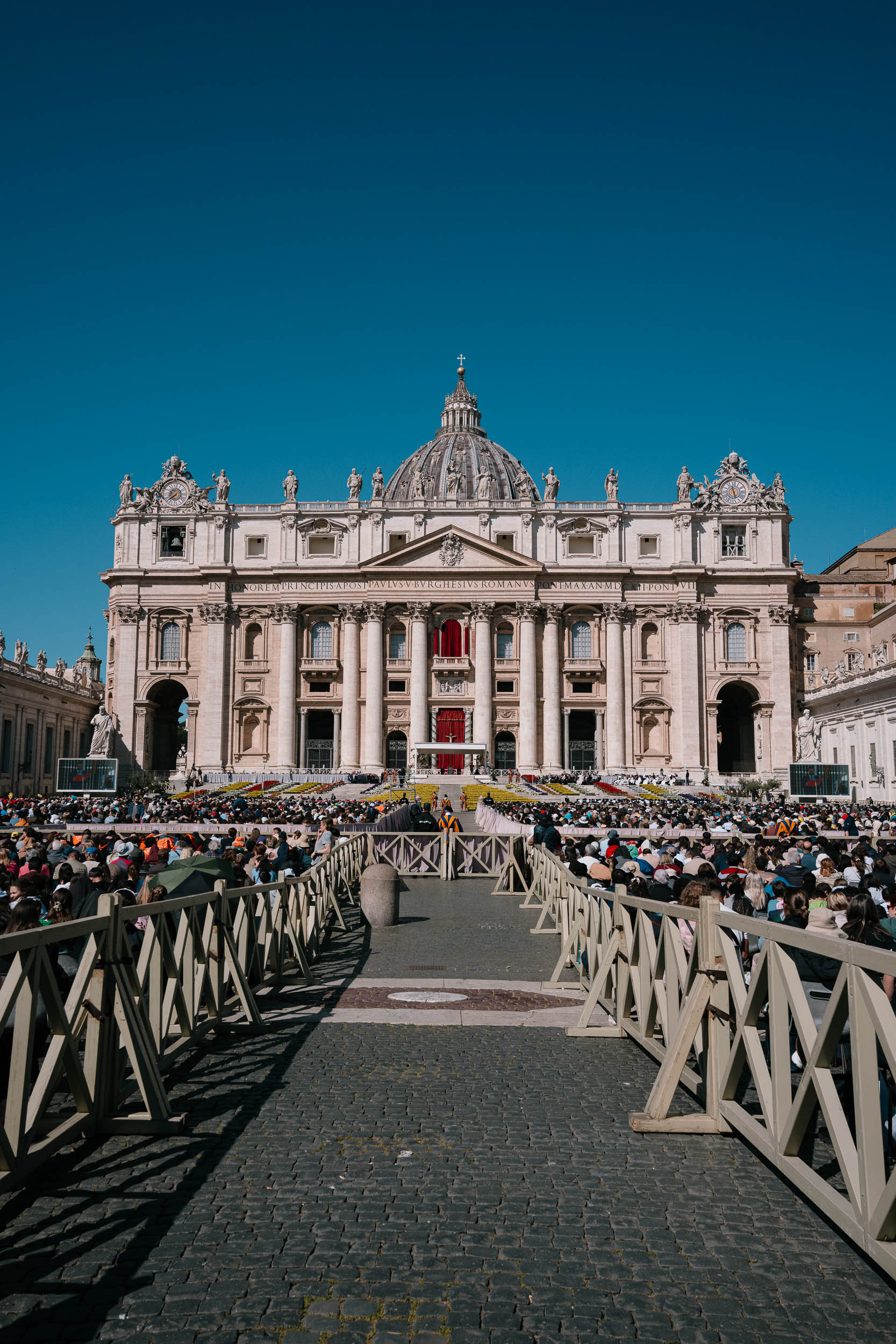
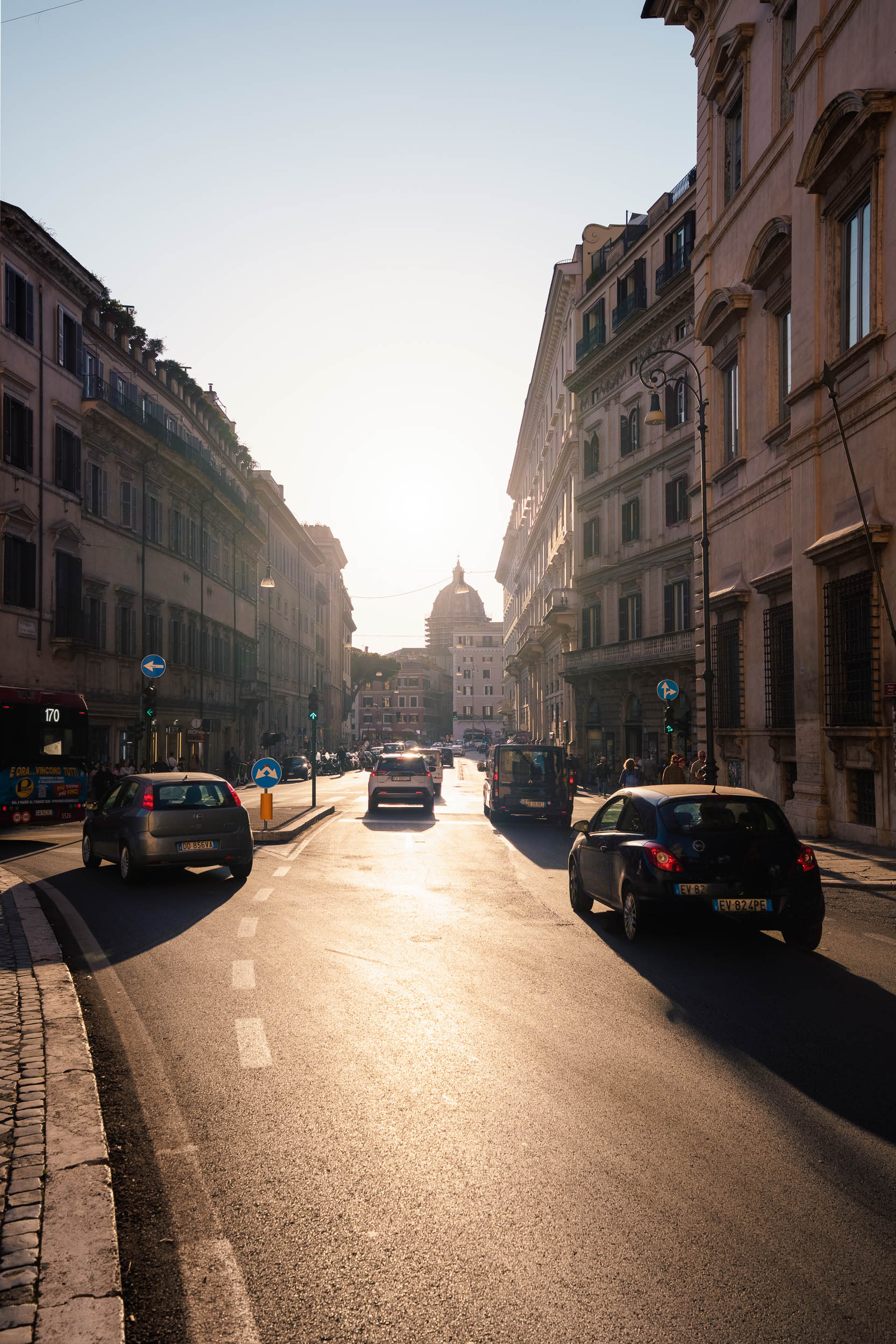
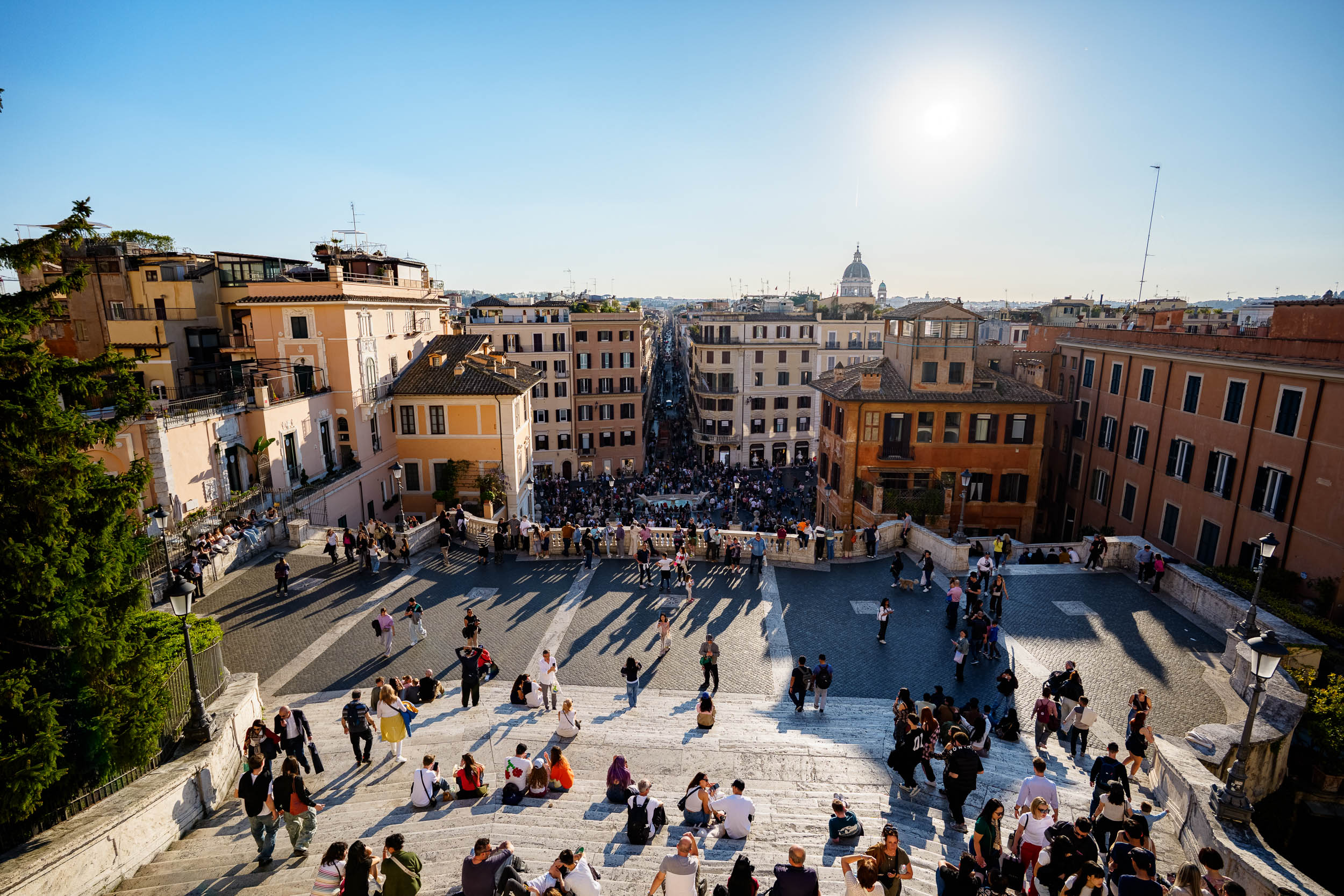
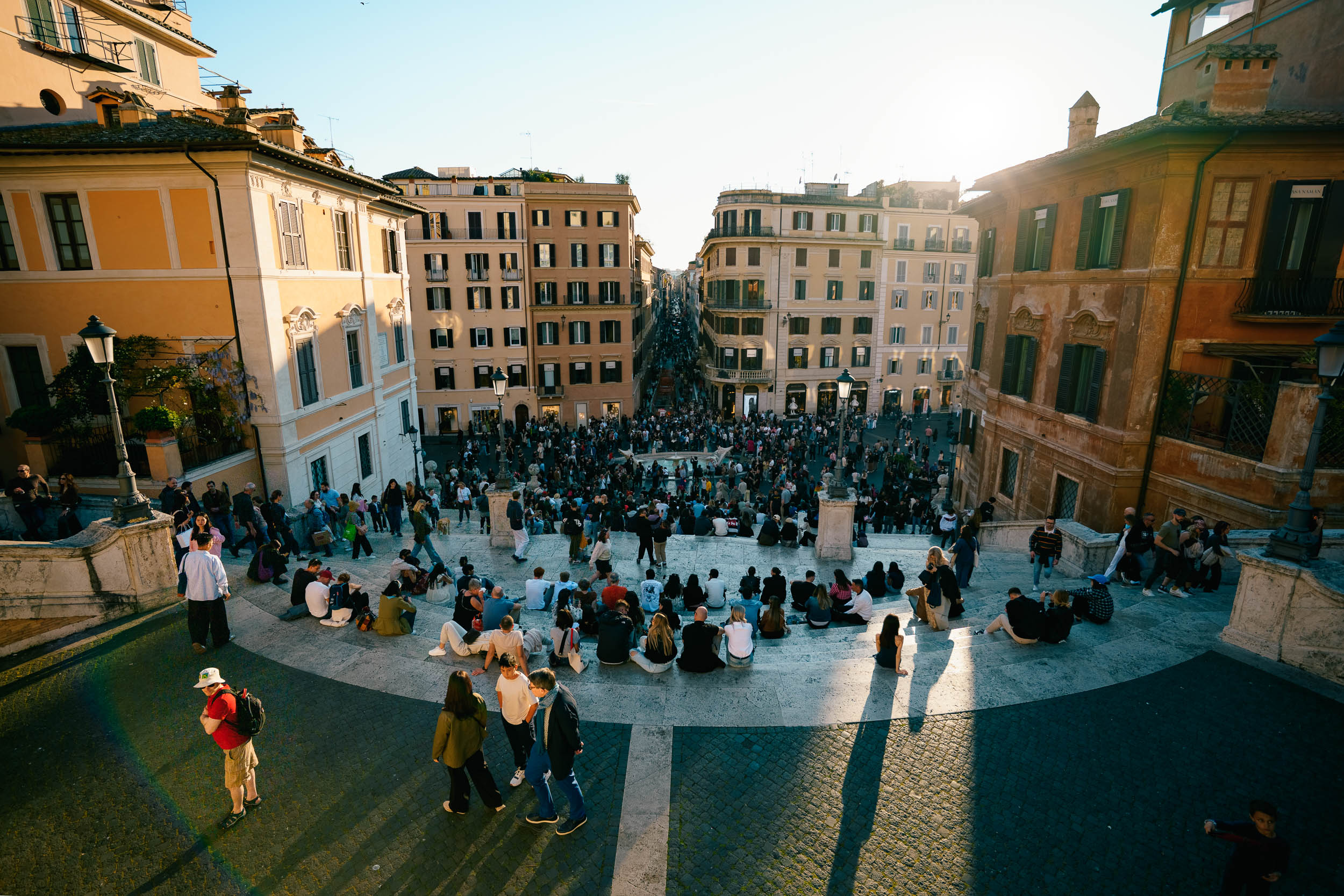
In Rome, the lens also showed me that it can produce flares under certain lighting conditions. If a strong light source is directly in the frame or just outside the image, the whole picture can appear slightly washed out, and visible ghosting may occur in some cases. That is not a problem in every backlit shot, and in most cases it can be avoided by slightly changing your position. Still, I noticed it several times in Rome when the sun was low.
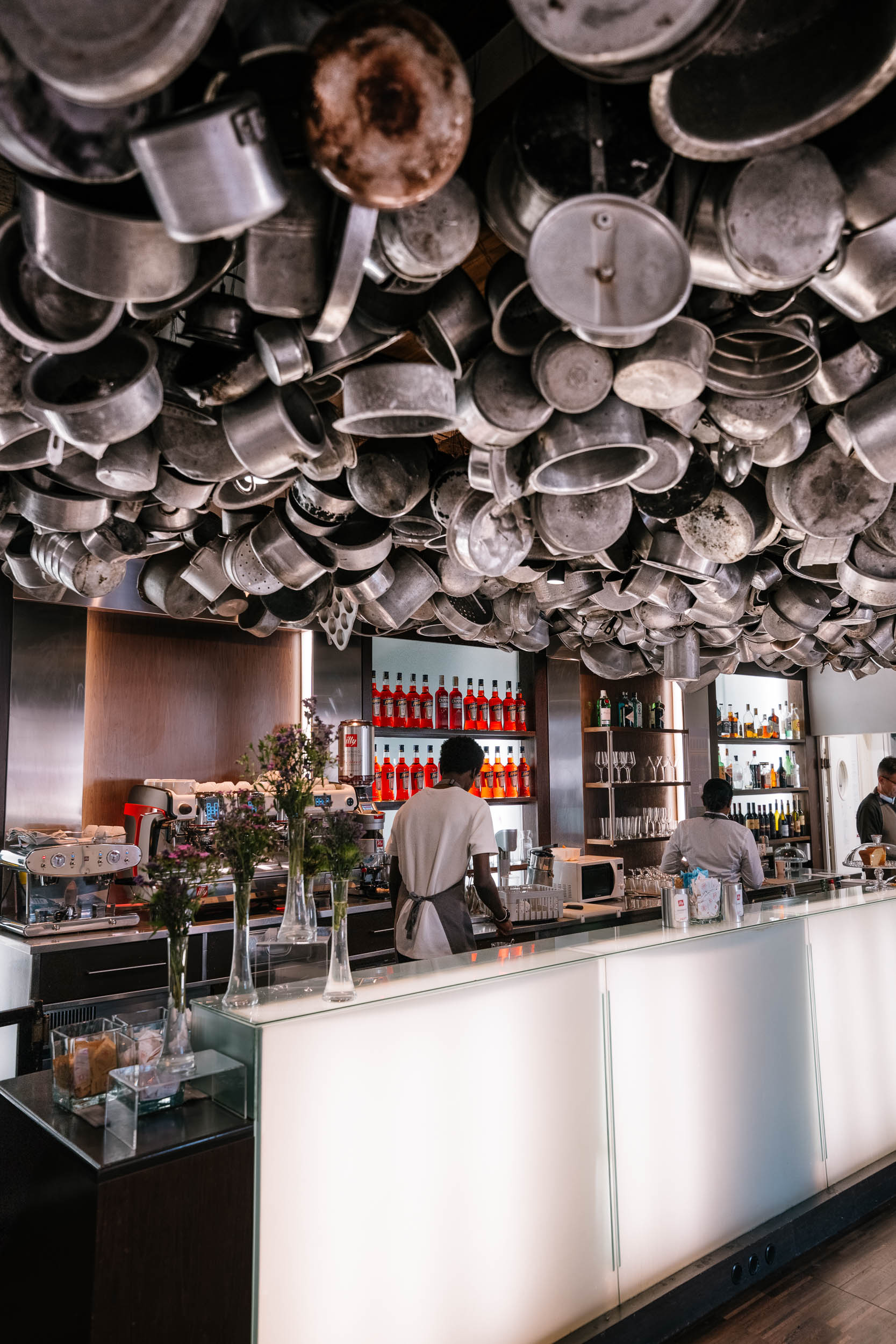
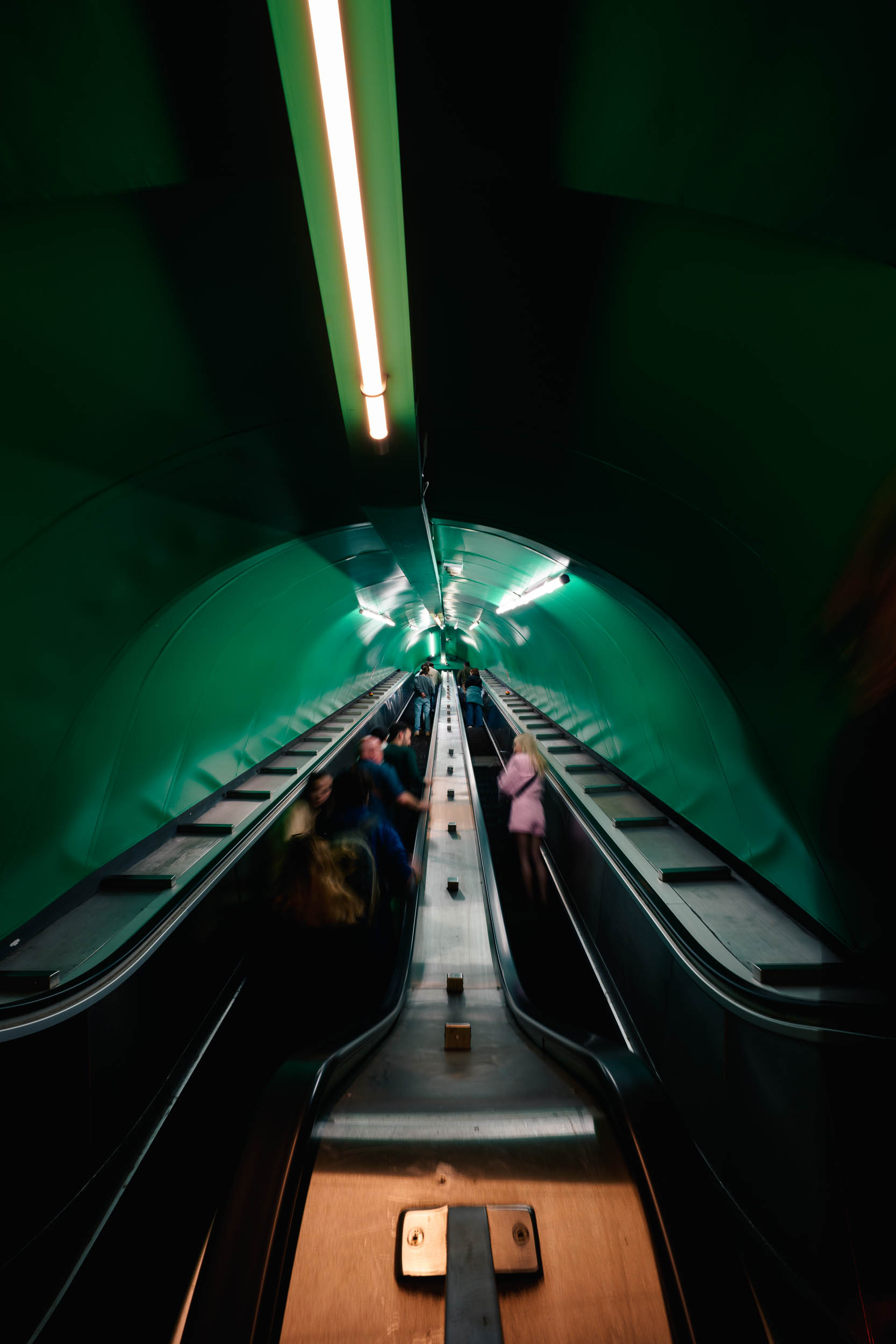
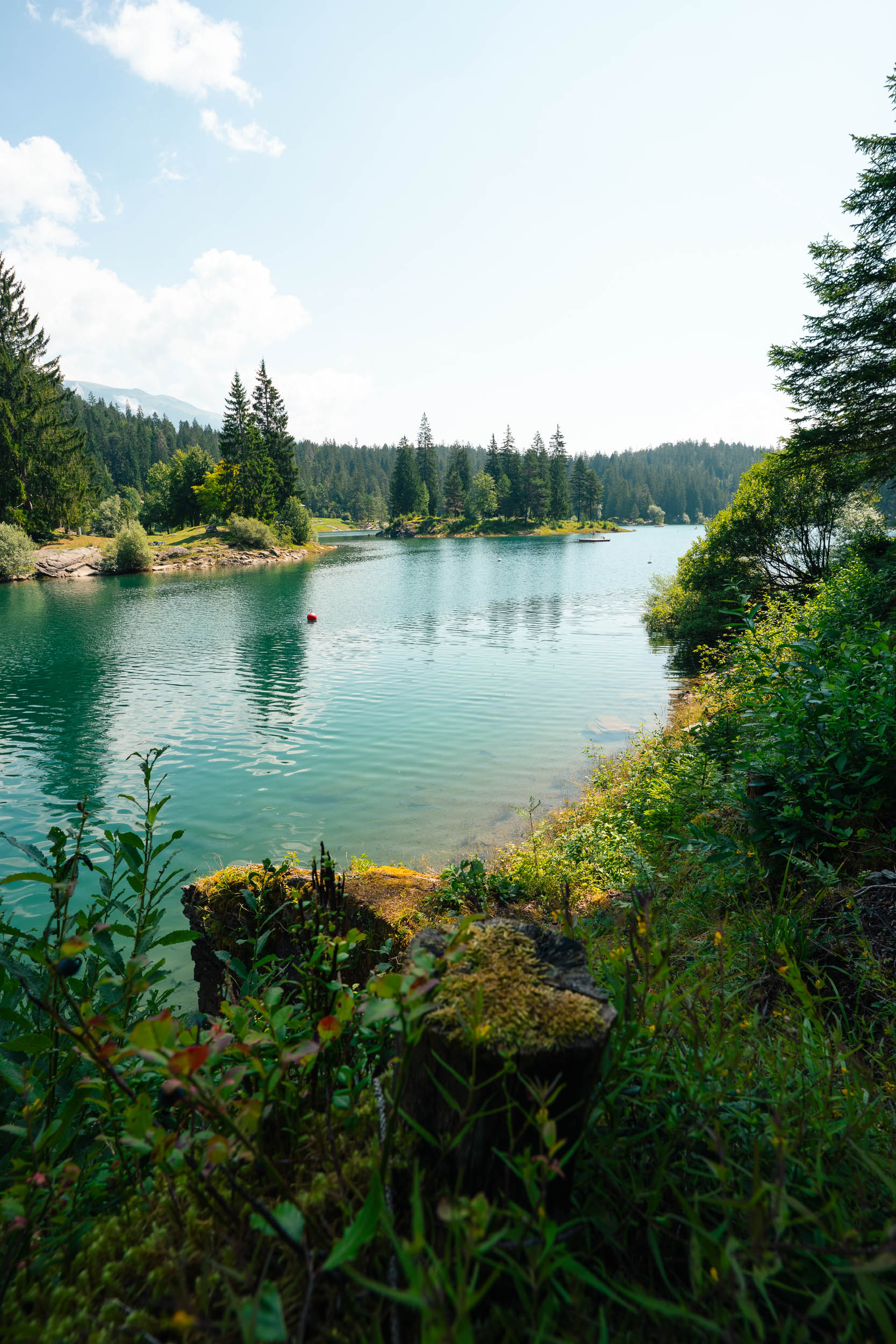
The lens also proved to be a very pleasant companion in the mountains. At 16mm, you can photograph not only the landscape itself, but also foreground elements such as paths, stones or plants, bringing them strongly into the image. That makes the pictures feel more dynamic and convey more of the atmosphere of the place. I really like that look, especially on hikes.
What I appreciated especially on all my trips is its compact and light construction despite the constant f/2.8 aperture. I was able to carry the lens all day long in Berlin, Rome or on hikes and still had plenty of room and weight left for other lenses. This requires only a few compromises in terms of features and quality.
Wide-angle for portraits?
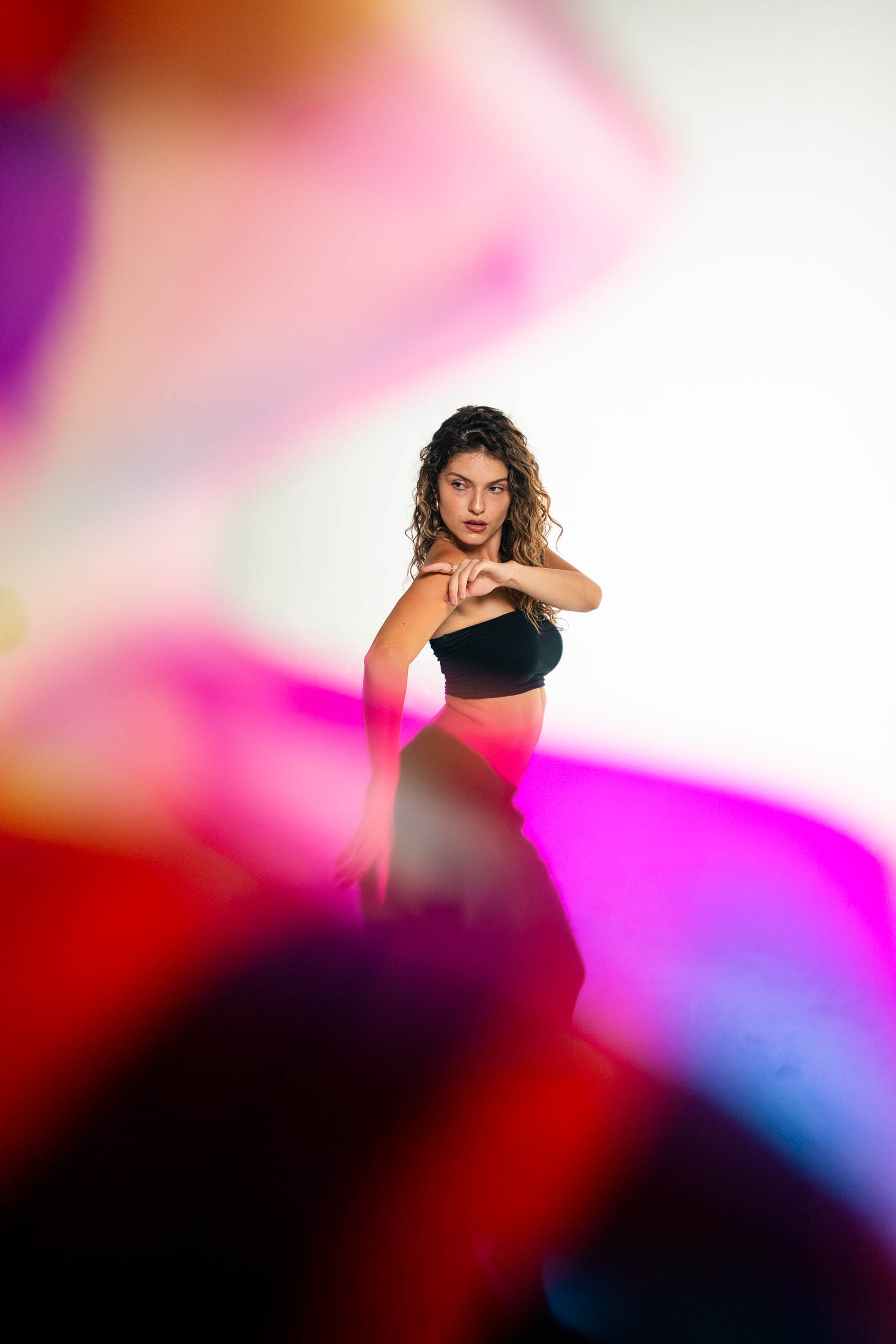
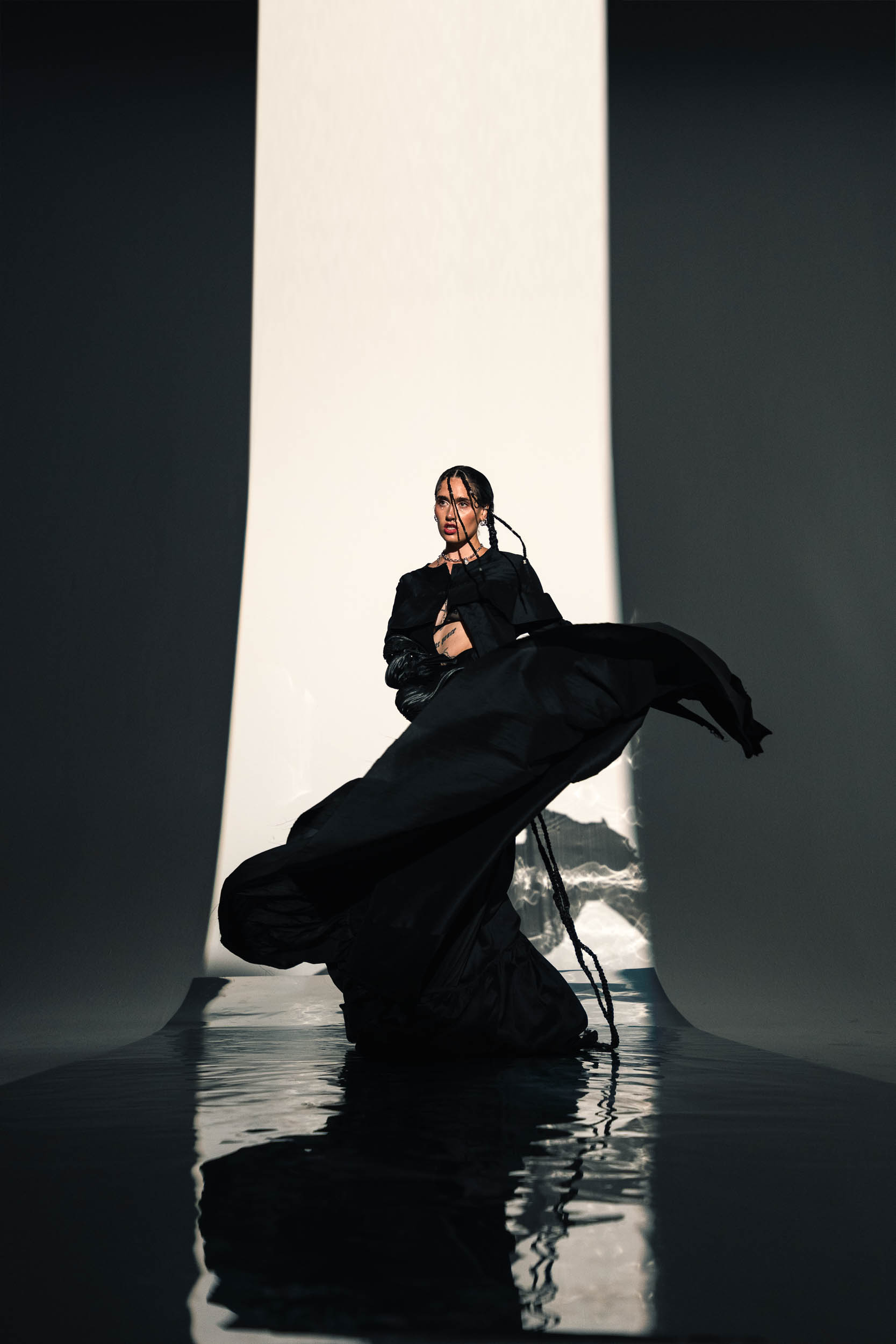
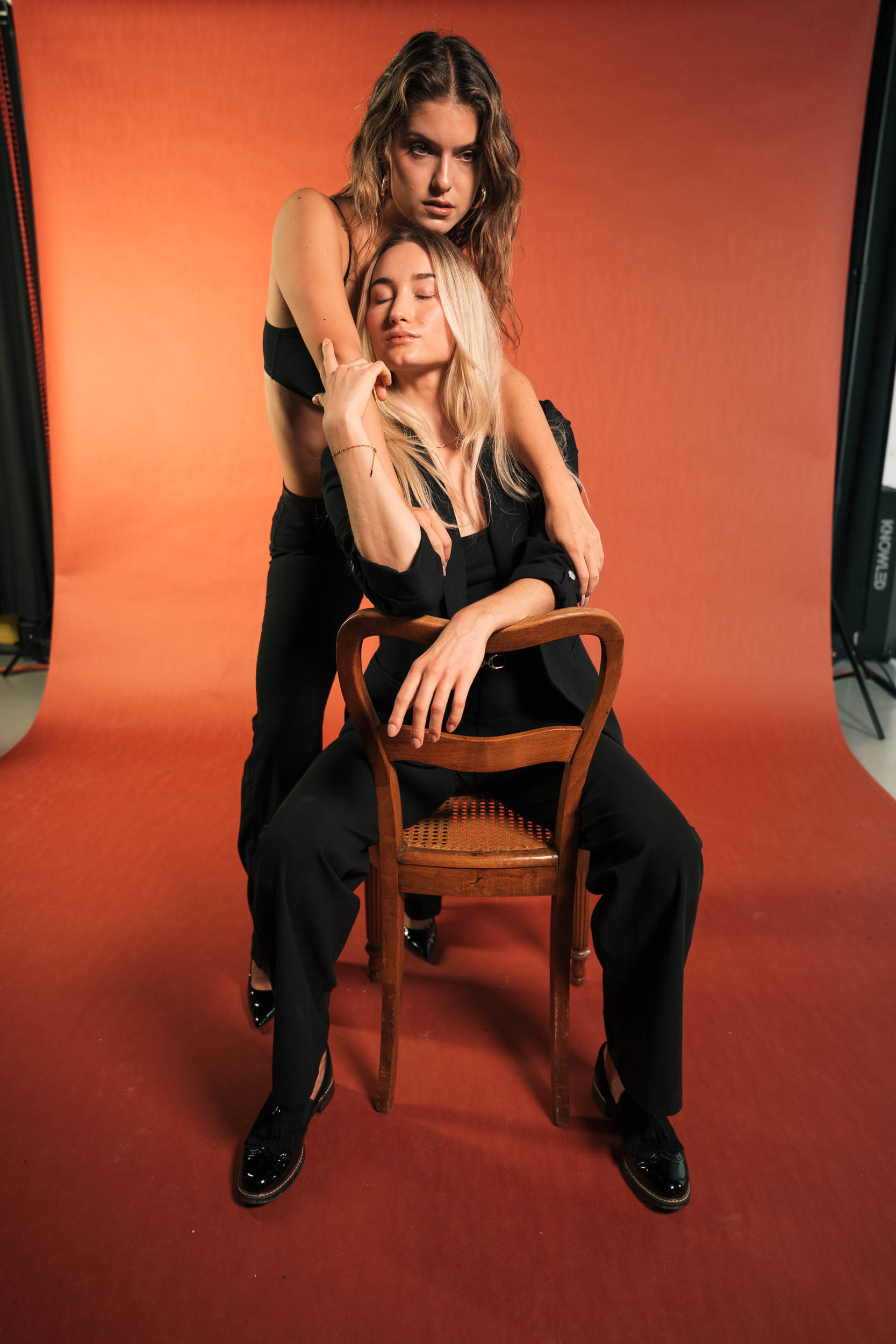
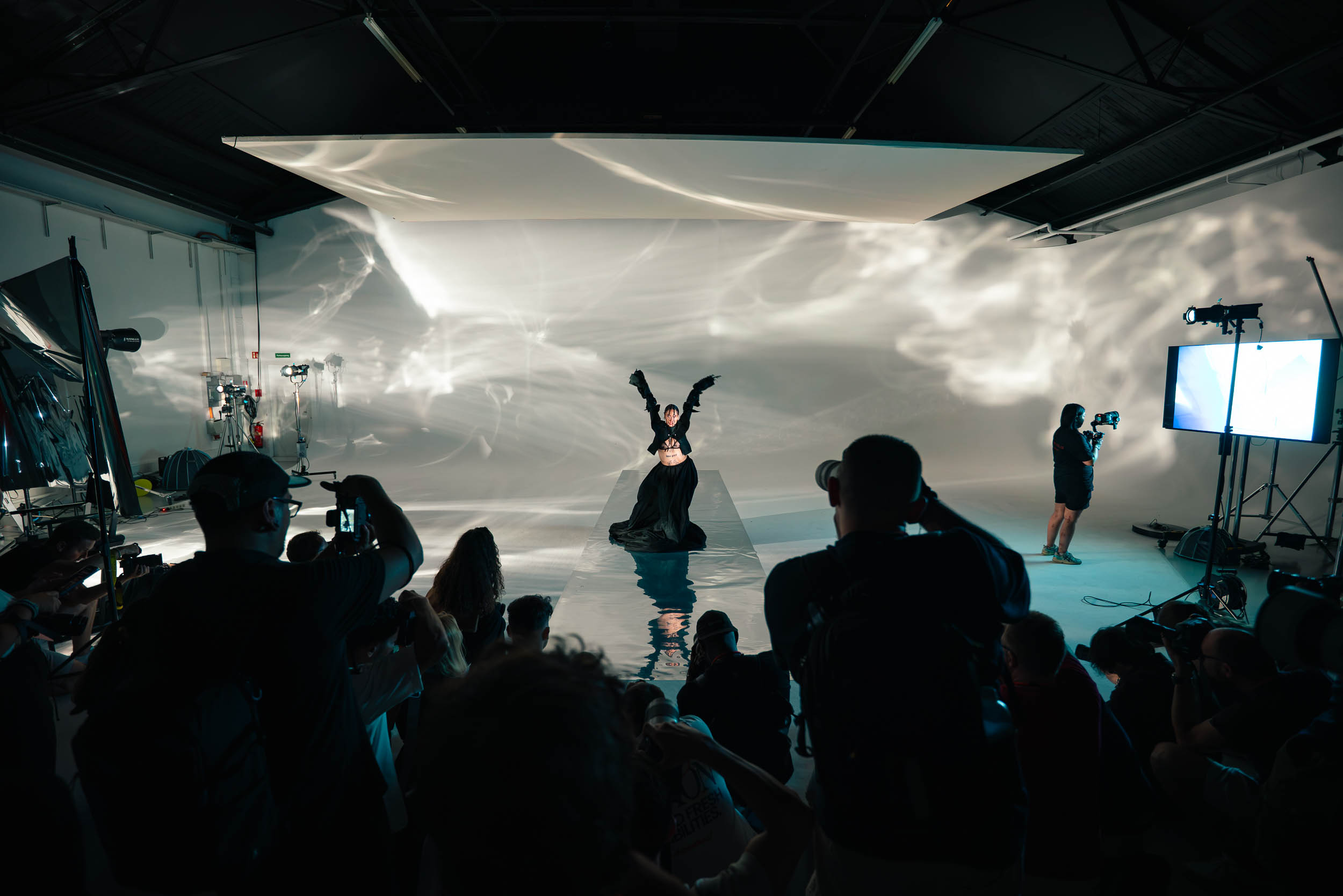
As already mentioned, I also used the Tamron 16-30mm f/2.8 G2 for portraits. The idea came during a shoot where I had the chance to try a wide-angle lens from Silvan. I was immediately fascinated, because suddenly completely new possibilities for perspective and image looks emerged. Compared with a wide-angle prime, I even had one advantage with the Tamron: the flexibility of a zoom lens.
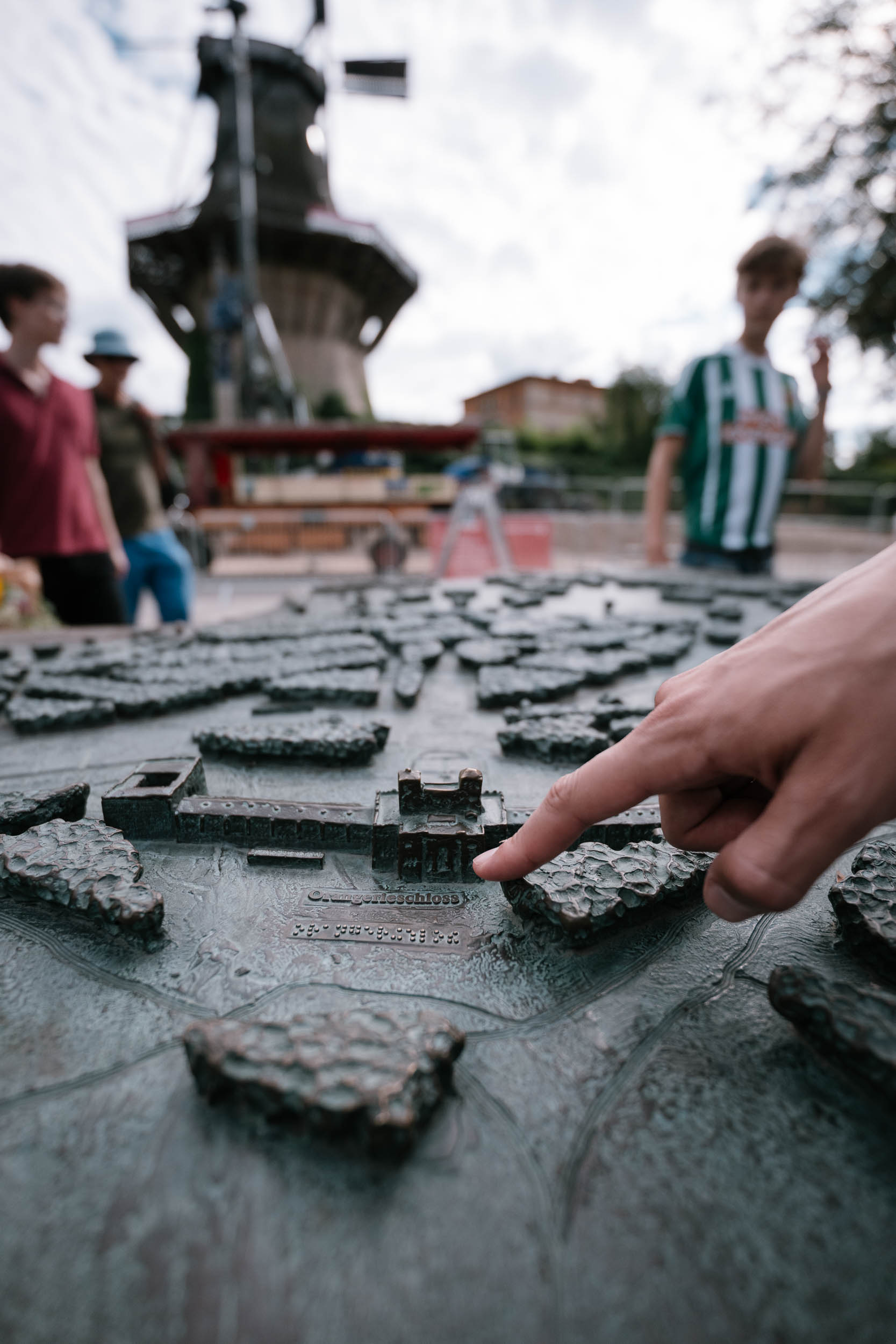
At 16mm, I can get very close to the model and still show a lot of the surroundings. Arms or legs can be used deliberately to elongate the body, lines can be used as design elements and the images feel much more dynamic than classic portraits. Of course, one has to be careful with distortion. If you photograph a face from very close range and place it right at the edge of the frame, it can quickly look a bit special. That is why I try to keep the face more centrally placed and use the distortion deliberately for the arms, legs or the environment.
At 30mm, you can also create a much more classical portrait. The face looks more natural and you still keep more of the surroundings visible than with longer portrait focal lengths. For me, the Tamron 16-30mm is therefore a perfect complement to my Tamron 35-150mm. I actually never miss the missing 5mm between 30 and 35mm. Either I want to photograph something truly wide-angle, or I reach for the 35-150mm.
I would not use the Tamron 16-30mm as my only portrait lens, of course. But as a complement, it is a lot of fun and enables looks that are difficult to achieve with conventional portrait focal lengths.


Sharpness and image quality
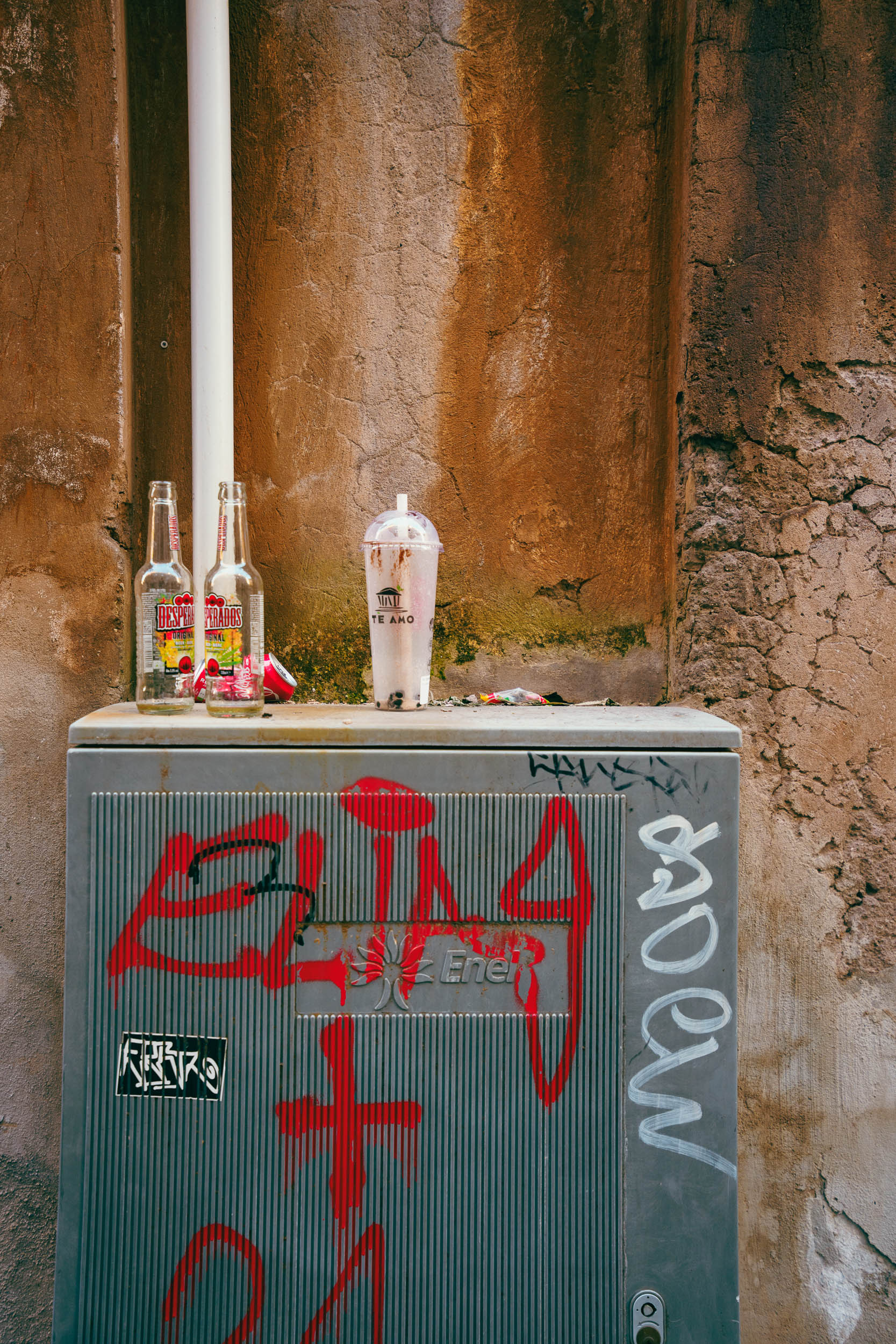
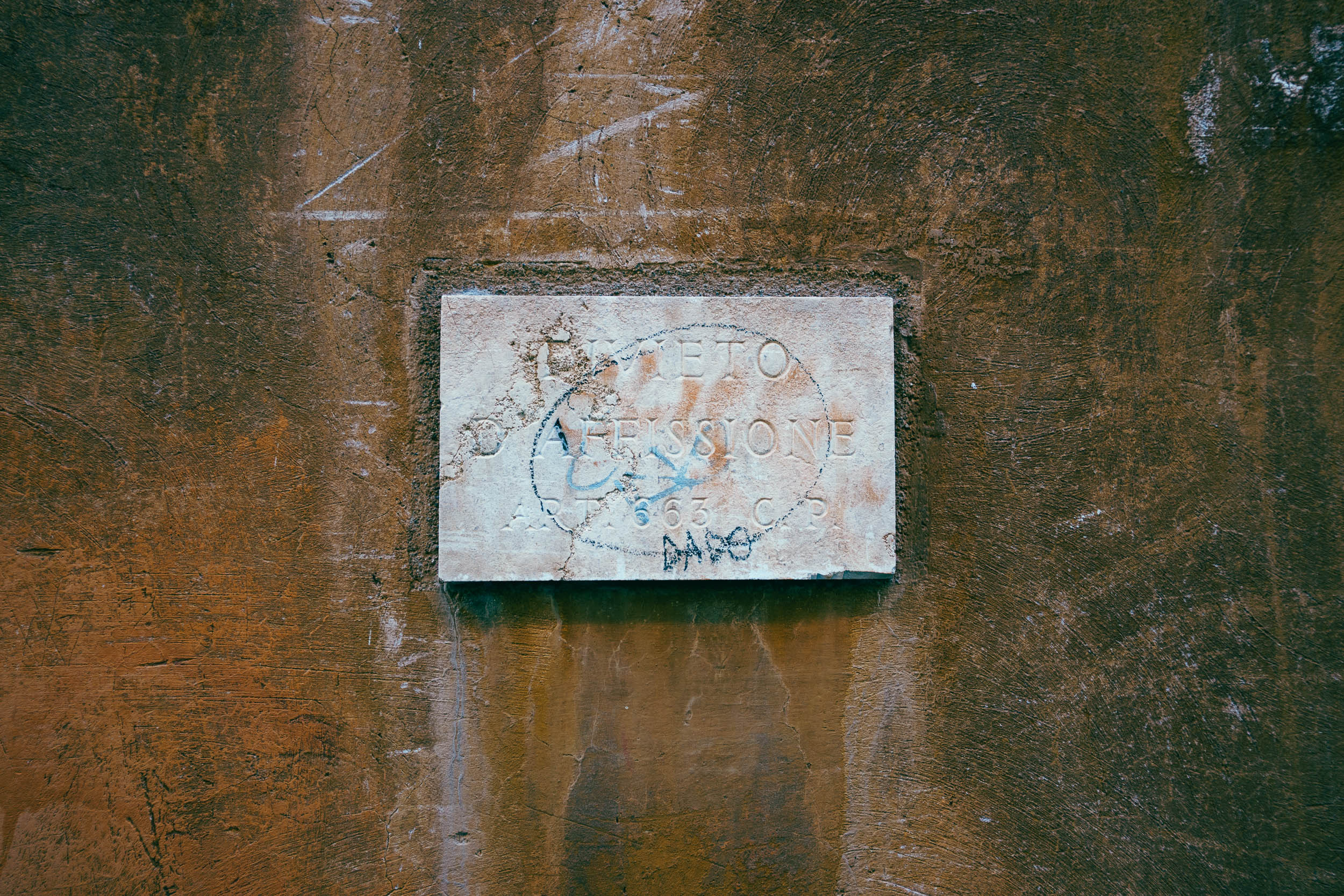
Since we are already talking about image quality, I have to say that the lens is already very sharp at wide open. The center of the image is excellent at f/2.8, and the edges also look very good. Only in the extreme corners can one notice a noticeable drop in sharpness. That can be improved significantly by stopping down a little. For landscapes, architecture and even larger prints, I think the sharpness is more than sufficient.
Objects do not jump out at you quite as dramatically as with the Tamron 90mm Macro. The 90mm Macro is one of those lenses for me where certain details almost appear three-dimensional. I do not get that same extreme wow effect from the 16-30mm. Still, the Tamron 16-30mm is one of the sharpest ultra-wide zooms I have tested so far. Above all, it delivers very consistent and reliable performance across the entire zoom range.
Autofocus
For static subjects, the autofocus is precise and fast enough. During my travels, I only had a few images where the focus was not hit correctly. Normal movement is also no problem. With portraits and poor lighting conditions, however, I had more situations where the focus did not lock immediately or took a little longer. The hit rate is still good enough to take beautiful portraits without any trouble. For calmer shoots, that is no major problem for me.
For much faster situations, such as sports events or wildlife, I would not necessarily recommend the lens. In my opinion, the autofocus is not fast enough for that. In addition, the camera is limited to a maximum of 15 frames per second on my Sony A1 II, for example. For landscapes, architecture, travel and portraits, that is hardly relevant. Anyone who wants to use the lens for rapid action should keep this point in mind.
Backlight, flares and sunstars
The backlight performance is overall good, but not perfect. In many situations, the lens also delivers beautiful contrast and appealing sunstars even in direct sunlight. As already mentioned, they are not quite as crisp-edged as with some other lenses, but I personally still like them very much.
Under more difficult conditions, however, the lens also shows its limits. If a very bright light source is directly in the frame or just outside it, the image quickly loses some contrast. As a result, it can appear flatter, and visible flares or ghosting can appear depending on the situation. This was particularly noticeable to me in Rome when the sun was low. For me, that is not a dealbreaker. In most situations, the lens delivers good backlight performance. Anyone who often photographs directly against the sun should keep this in mind.
Chromatic aberrations and vignetting
The chromatic aberrations are overall very well controlled. In normal use, they are practically invisible. Only with very high-contrast subjects such as branches against a bright sky or building edges in backlight can slight color fringing appear. These remain at a very low level, however, and can be removed almost completely with one click in Lightroom.
Vignetting is visible at 16mm and wide open. With an ultra-wide-angle lens at f/2.8, however, that is completely normal. Slight stopping down reduces it significantly. Personally, it has never really bothered me in everyday use. For landscapes or portraits, the slight natural darkening of the corners even helps sometimes, because it draws the eye a little more strongly toward the subject. Anyone who prefers a more neutral rendering can correct the vignetting easily with the lens profile.

Handling and missing features
One point that is missing for me on the Tamron 16-30mm is an AF/MF switch. For a wide-angle lens, I would actually have expected it. For astrophotography or architectural shots, you often work with manual focus and want to prevent the autofocus from suddenly refocusing. It is not the end of the world, but it is a feature I would actually like to have on every lens.
That said, the lens does have a customizable function button. I use it very often for certain focus functions, such as Eye AF. The manual focus ring can also be customized via the Tamron Lens Utility software and used, for example, as an aperture ring. However, it runs very lightly, so it can also be turned accidentally.
The new Tamron 12-20mm f/2.8 solves some of these things better. It has, for example, a proper aperture ring. Still, I find the handling of the 16-30mm overall uncomplicated. The few missing features bother me less in everyday life than I expected.
Conclusion
The Tamron 16-30mm f/2.8 G2 is, for me, a lens that is much more versatile than it might first appear. Its greatest strengths are naturally in landscape, architecture and travel photography. The combination of compact construction, low weight, constant f/2.8 aperture and very good image quality makes it an excellent travel companion for me.
At the same time, I find the unconventional uses especially exciting. Portraits at 16mm are certainly not the classic application, but that is exactly what makes the resulting images stand apart from ordinary portraits. Thanks to the zoom range up to 30mm, you remain flexible and can also capture less distorted portraits.
Of course, there are smaller points that could be improved. An AF/MF switch would be very practical, and the autofocus is not necessarily ideal for rapid action. Strong backlight can also lead to flares and visible loss of contrast. Even so, you get a very compact, sharp and versatile lens that combines excellently with a standard or telephoto zoom.
So if you are looking for a light and bright wide-angle zoom that is not only useful in your bag but can also be used creatively, you should definitely take a closer look at the Tamron 16-30mm f/2.8 G2.


