
Godox C100 Review – Camera and Light Meter Tested
- Marvin Kuhn
- Reviews , Camera gear
- August 17, 2026
Table of Contents
I got sent the Godox C100 for testing and took it with me on a few trips to try it out. If you are now asking yourself what the Godox C100 actually is, it is a small and compact camera / light meter with a rather innovative design. But could this design also be its biggest weakness? In this short article I will share my experiences with the Godox C100 so you can decide whether it is worth buying or not.
Design and Specs
First of all, the Godox C100 costs just $46, has a 2MP camera and records video in 1080p. It has a mode switch on the side and two physical buttons on the front. The real eyecatcher, however, is its screen – or rather the lack of one.
For composition you instead get a transparent window with around 50% light transmission, allowing you to see the scene behind it. Inside this window there is also a small HUD which shows the selected mode, framing guide, battery status and, depending on the mode, some of your settings.
The C100 charges via USB-C and uses microSD cards up to 128GB, although I doubt you will ever come close to filling one with 2MP images. The device itself is designed to easily slide into your pocket and it even has a small grip with some sketches printed onto it, which gives it quite a distinctive look.
Using the Godox C100 as a Camera
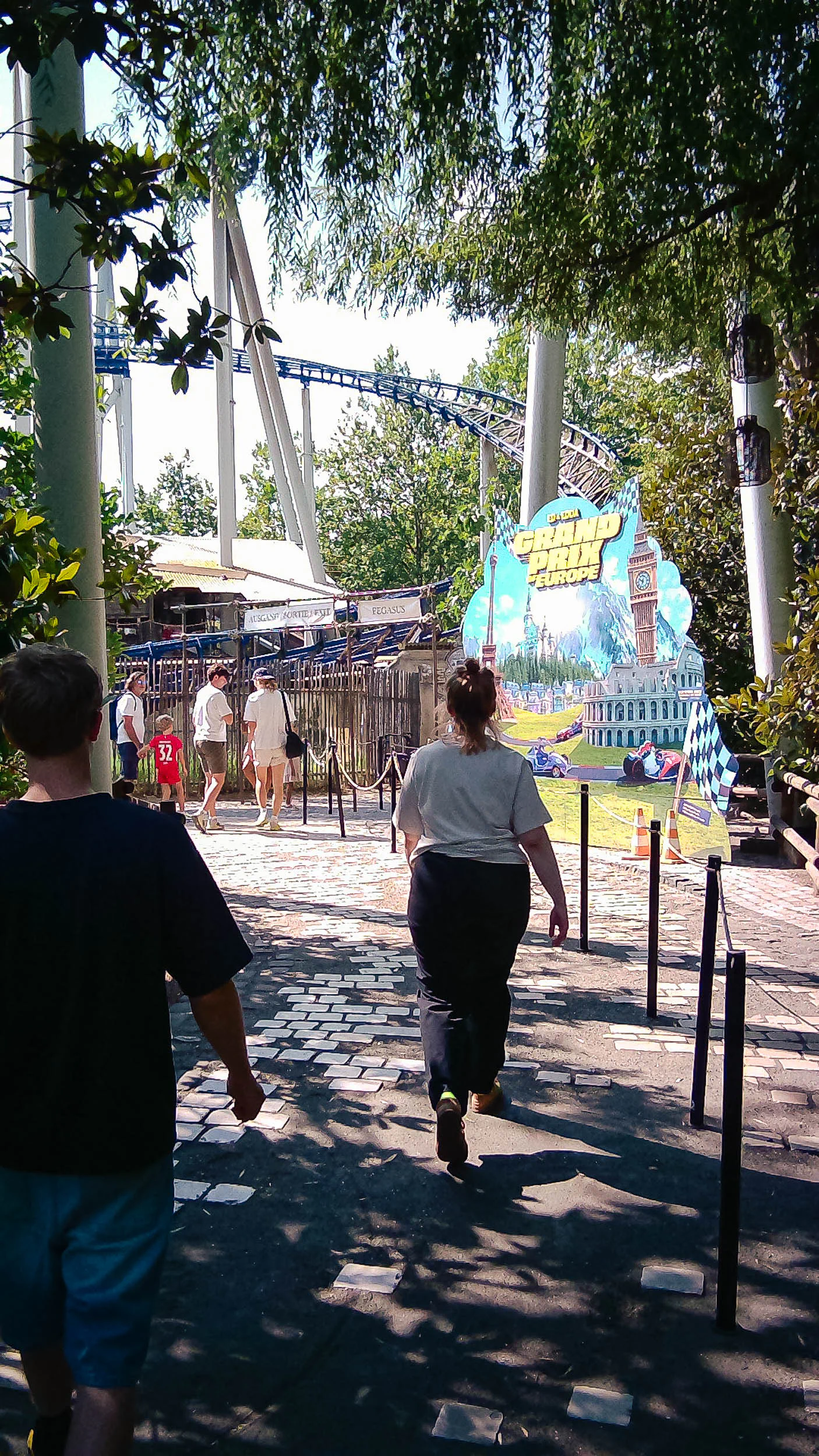


When using it, you will intuitively want to hold the device about an arm’s length away from you to frame your shot. In practice, however, I found that you have to hold it much closer to your face to get a reasonable idea of what the final composition will look like. Even then, judging the framing can be surprisingly difficult, especially if you do not use the camera regularly.
Many times I thought I had something framed perfectly, only to look at the image afterwards and realise how wrong I had been. This would probably improve with practice, but it definitely takes some getting used to.
What makes me even more hesitant to use the C100 as an actual camera is the very low resolution. At just 2MP there is basically no room for cropping afterwards. The dynamic range is also extremely limited, meaning highlights burn out very quickly while shadows lose almost all detail unless you are shooting in very even lighting.
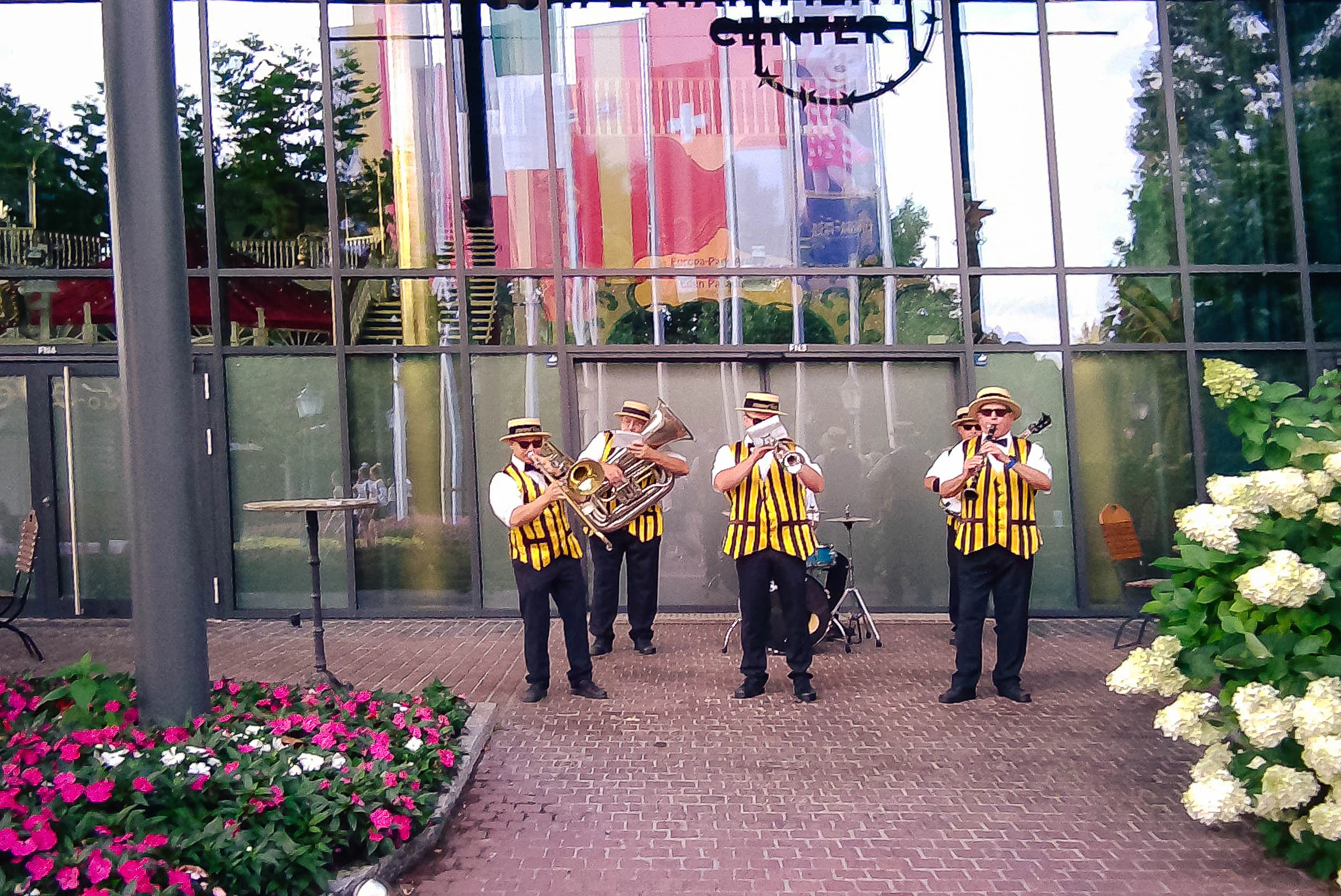


Low-light performance is not particularly good either, although that was to be expected at this price point. What further reduces my confidence that Godox really intended the C100 to be taken seriously as a camera is the complete lack of manual controls. You cannot really adjust anything and on multiple occasions the camera selected a strange white balance which ruined an otherwise usable photo.
Image quality in general is also quite limited. There is very little fine detail, the colours are rather flat and I noticed quite a lot of internal reflections when shooting towards brighter light sources.
For me personally, I would therefore not really use the Godox C100 as a camera. Its much more interesting feature is the built-in light meter, which I will get to later.


Video Quality
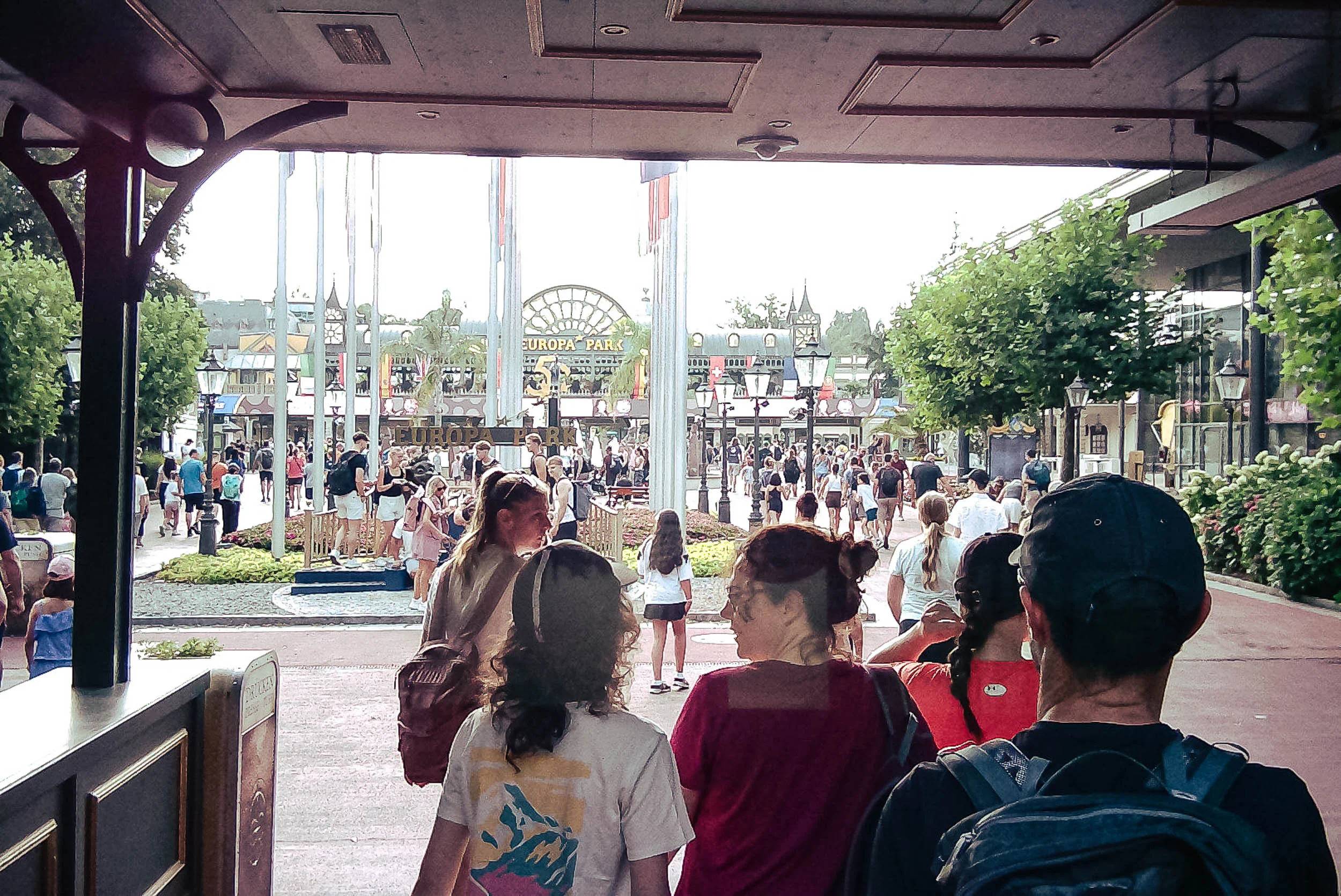
Unfortunately, video is another weak point. The C100 suffers from extremely strong rolling shutter, so even simply walking with the camera or having your subject move through the frame can create a very noticeable jello effect.
This makes the video mode difficult to use for anything other than mostly static shots. On top of that, the maximum resolution is only 1080p, which personally is not something I would really want to use nowadays unless I was specifically going for a low-resolution aesthetic.
Using the Godox C100 as a Light Meter
Luckily, the Godox C100 is not just a camera. It also has a built-in light meter, which is actually the feature I find much more interesting, especially if you shoot film.
In my testing, the meter was generally within around 2/3 of a stop of the correct exposure, which is accurate enough for most situations. The light meter is also very easy to use. You simply point the C100 towards your subject and it gives you an exposure reading. You can set the ISO, aperture and shutter speed and choose whether the device should calculate the required shutter speed or aperture for the correct exposure.
One thing I particularly like is that the C100 measures a relatively broad area of the scene. Compared to many built-in light meters in older film cameras, which can sometimes react quite strongly to a bright or dark part of the frame, the C100 gives you more of an overall reading of the scene. For general photography this can actually be quite useful, especially when you just want to quickly get into the right exposure range without spending too much time metering individual parts of the image.
The form factor also works surprisingly well for this purpose. Because the C100 is so small, you can basically carry it everywhere without having to think about bringing an additional light meter. It easily fits into a jacket or trouser pocket and weighs so little that there is very little reason to leave it at home. For someone carrying an older film camera without a reliable built-in meter, that makes it quite practical.
The transparent display also makes more sense to me when using the C100 as a light meter than when using it as a camera. Since you can still see your subject through the device while taking a reading, you remain visually connected to what you are photographing instead of looking down at a separate screen. You can point the C100 at your subject, check the exposure and immediately go back to shooting without really interrupting the process.
There are, however, some limitations. Most importantly, the C100 cannot meter flash, so it is limited to available and continuous light. That means it is not a replacement for a dedicated flash meter if you regularly work with strobes. You also do not get the precision or specialised metering options of more advanced professional light meters.
For film photography in natural or continuous light, however, I still think it makes a lot of sense. For around $46, you get a tiny meter that you can carry basically everywhere and that gives you a quick and reasonably reliable exposure reading.
This is ultimately the feature that makes the Godox C100 much more interesting to me. As a camera, there are simply too many compromises. But as a compact light meter for film photography, especially if your camera does not have a built-in meter or you do not fully trust it anymore, the C100 becomes a much more compelling little device.
Conclusion
The Godox C100 is an interesting product because it combines two different but and still so similar ideas in one very small device. As a camera, I find it difficult to recommend. The low 2MP resolution, limited dynamic range, flat colours, internal reflections, unreliable white balance and very strong rolling shutter simply introduce too many compromises.
The transparent viewfinder is certainly an interesting concept, but in practice I found accurate framing harder than expected. Combined with the fact that there is basically no room to crop afterwards, this makes the camera function feel more like a fun extra than something I would rely on for photography.
As a light meter, however, the C100 makes much more sense to me. It is small enough to always keep in your bag or pocket, gives reasonably accurate readings and its broad metering area works well for getting a quick overall exposure of a scene. The transparent display is also genuinely useful here because you can keep looking at your subject while checking the exposure.
If you are mainly looking for a small digital camera, I would probably look elsewhere. But if you shoot film and want an inexpensive, compact light meter that you can take everywhere, the Godox C100 is much easier to recommend. Just keep in mind that it does not support flash metering.


