Tamron 90mm F/2.8 Di III MACRO VXD Review (Sony FE), the best macro lens under $1000? – Sharpness, Bokeh & AF Tested
- Marvin Kuhn
- Experience report , Lens
- October 31, 2025
Table of Contents
People often say it’s the small things that bring joy. Fittingly, I spent several weeks with the new Tamron 90mm F/2.8 Di III VC VXD MACRO. This lens reveals textures and structures that the naked eye easily misses—perfect for rediscovering the quiet details of everyday life. To find out whether not only the subjects but also the lens itself is a joy to use, I tested it in varied, real‑world scenarios.
What’s in the box & specifications
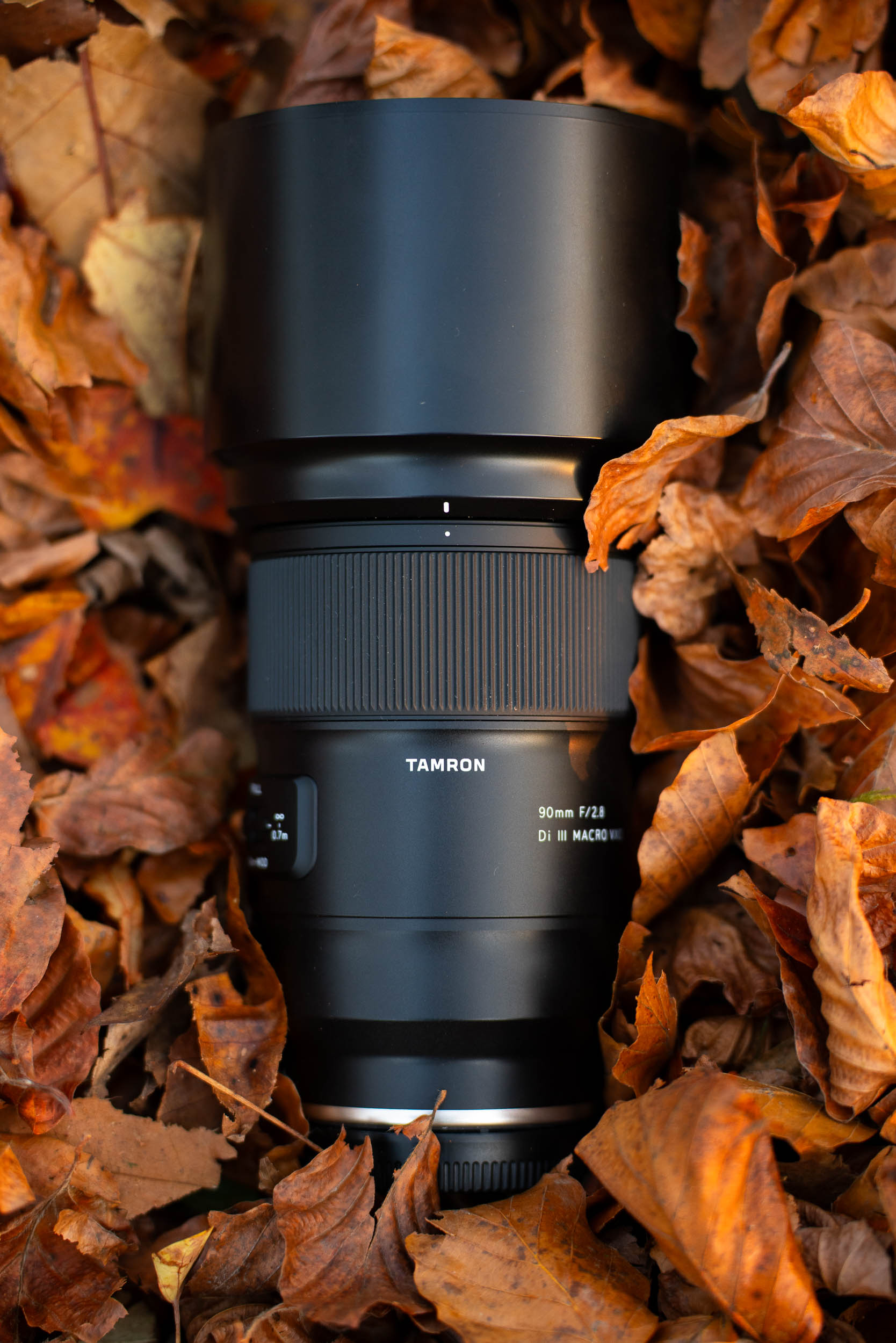
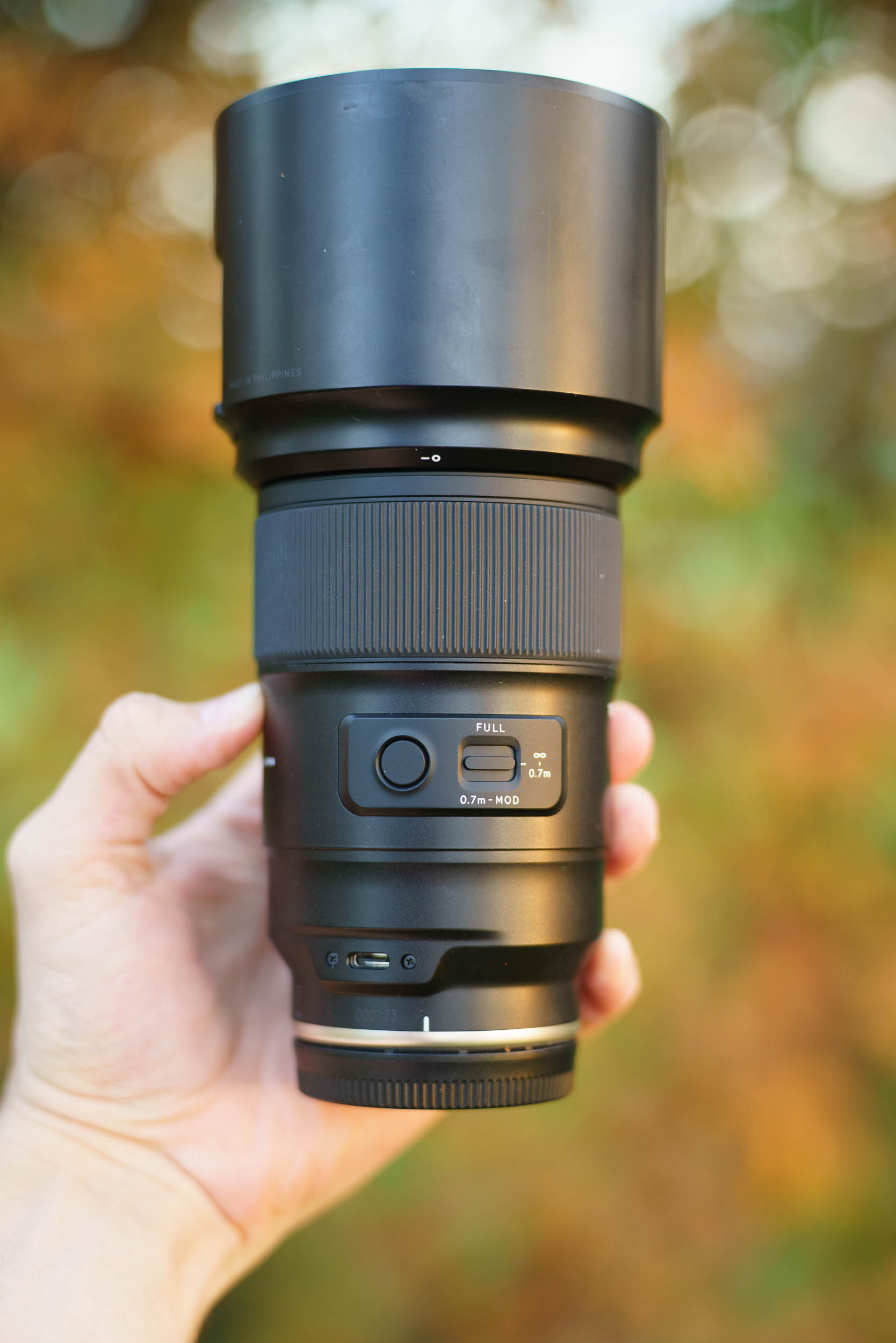
As usual with Tamron, the package is minimal: lens, front and rear caps, and a lens hood. There’s also a 10‑year warranty (registration required with Tamron Switzerland).
| Specification | Value |
|---|---|
| Focal length | 90 mm |
| Max. aperture | f/2.8 (12 diaphragm blades) |
| Magnification | 1:1 (macro) |
| Autofocus | Yes |
| Filter thread | 67 mm |
| Image stabilization | No |
| Port | USB‑C (firmware / configuration) |
Real‑world start: autumn macro
I began in the forest: wet leaves, mosses, tiny mushrooms—ideal scenes to judge resolving power and micro‑contrast. A mushroom barely 2 cm tall was my first challenge: handheld was just about possible, but a tripod quickly helped nail the focus plane. In these situations, optical stabilization would be handy. Still, at 100% view in post, fine fibers are rendered cleanly.
Later, I found a toppled tree covered in moss with a delicate spider web beside it. Scenes like this reward patience: the 90 mm separates foreground and background very cleanly, and in macro distances the bokeh stays pleasantly calm.





On my way back, the sun sat lower and cast warm backlight. I used the chance to shoot leaf structures in backlight—cell tissue, veins, tiny irregularities: a micro landscape in a single leaf.
On another day I still found blooming flowers and even bumblebees feasting on the last blossoms of the year. Here I used autofocus, which is fast and precise at close range. Combined with short working distance, small aperture and 1:1 magnification, it was possible to capture tiny bumblebee details while keeping the background nicely blurred. I also used a hot‑shoe flash with a DIY diffuser to spread soft, even light on the subject.



Eyes as a micro‑landscape
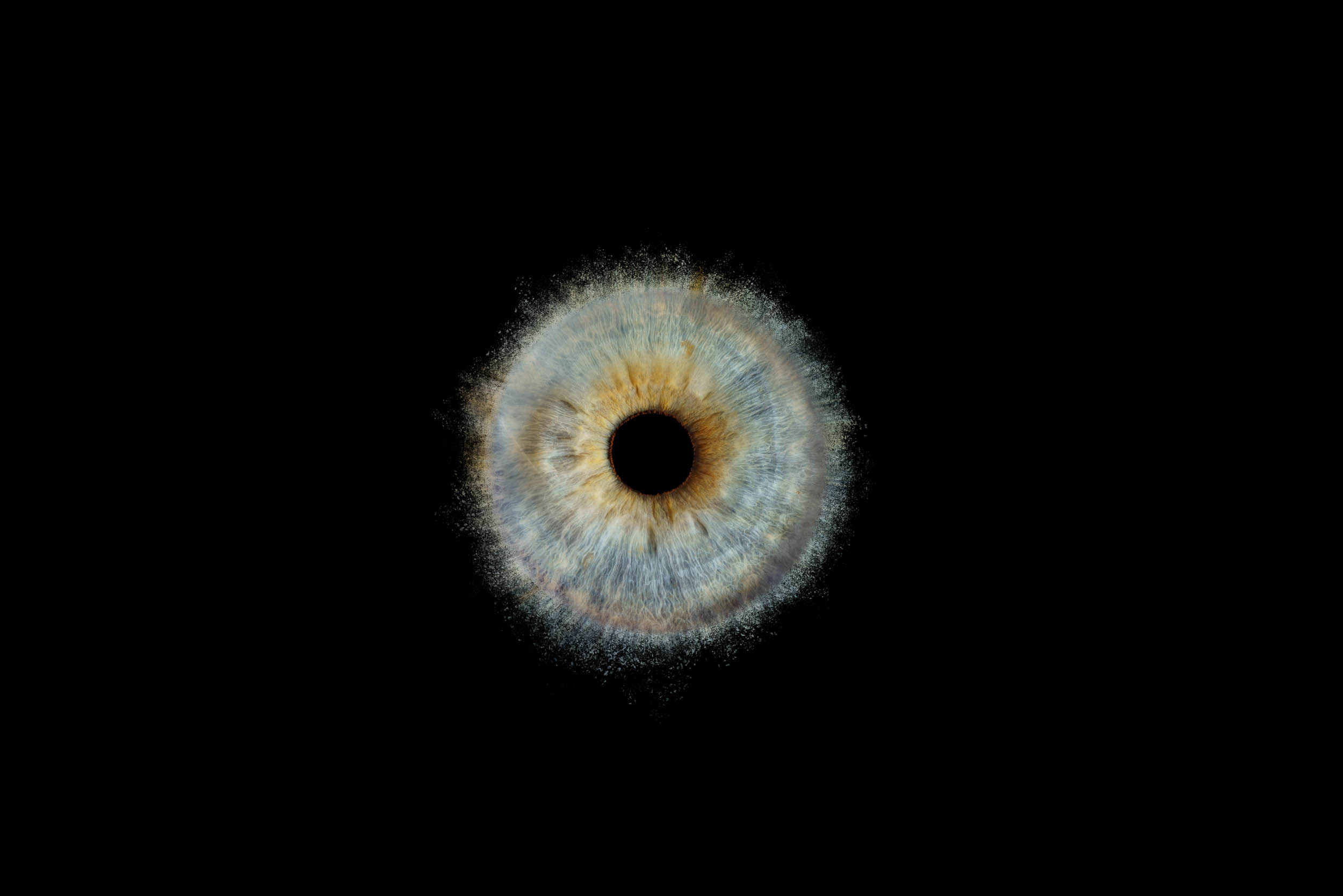
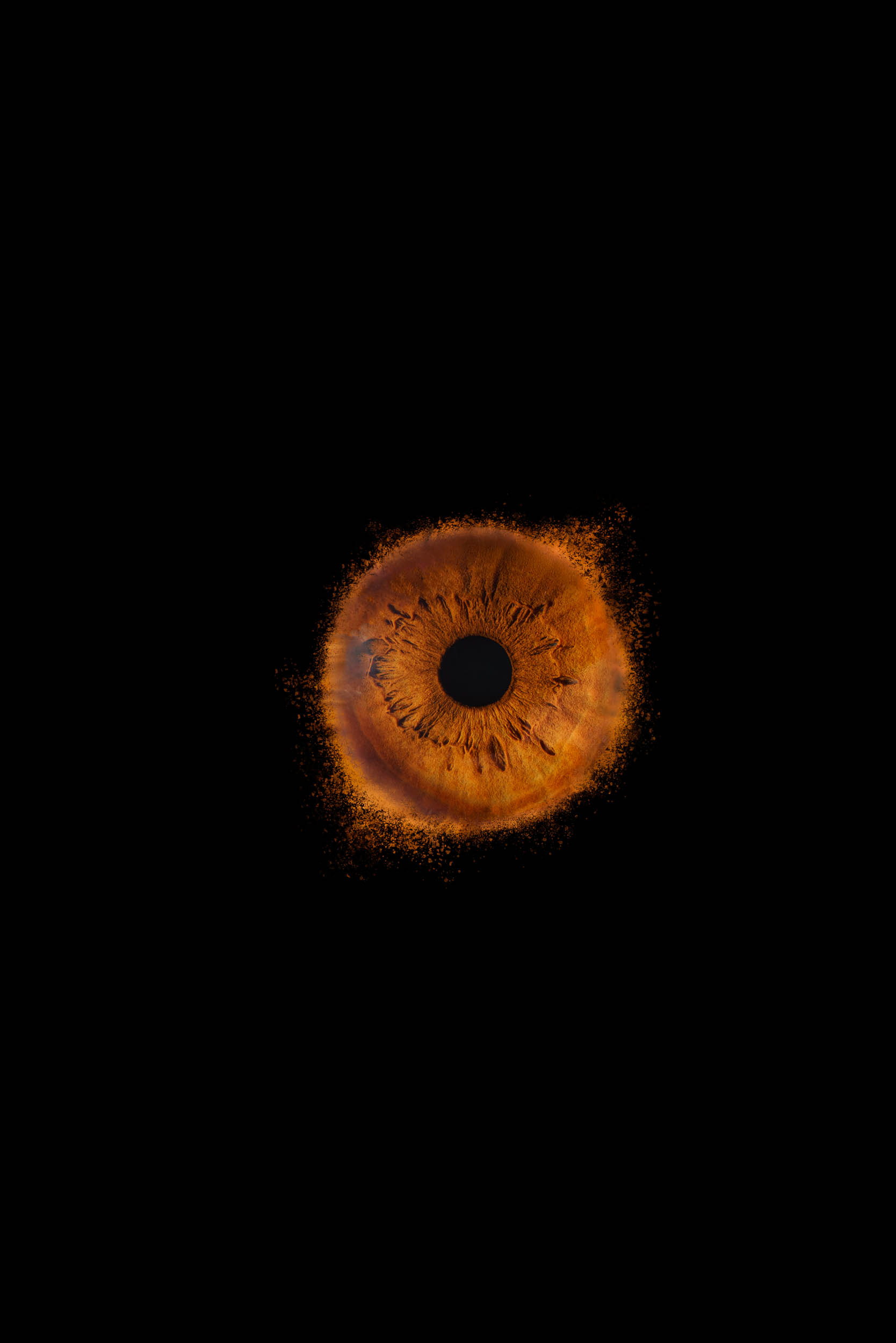
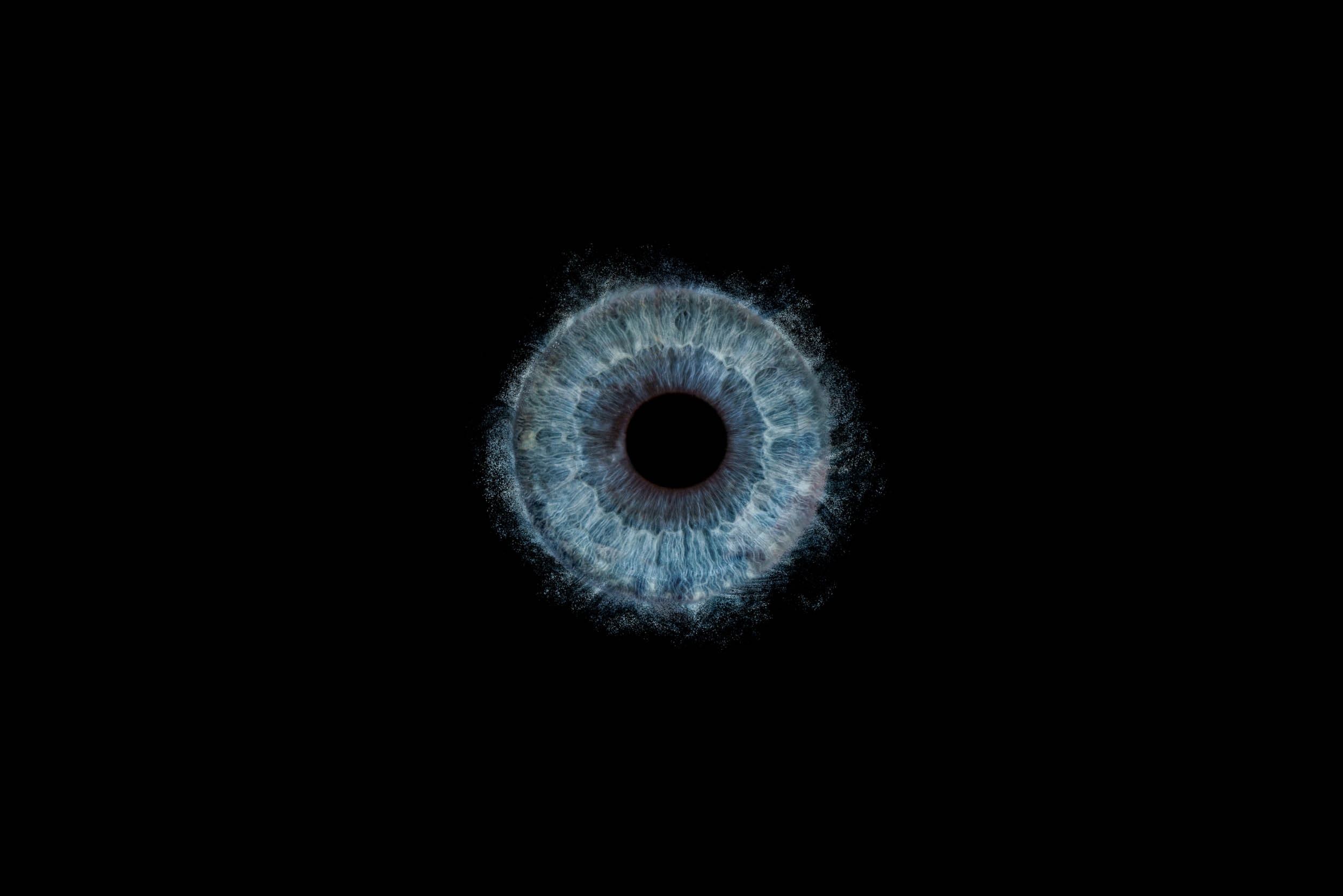
At home, I continued with a new and trickier subject for me: the iris. Photographing eyes is unforgiving—tiny movements reduce sharpness drastically. At 1:1 magnification, depth of field is razor thin; even the model’s breathing can shift focus.
So I switched fully to manual focus. Enter the Tamron Lens Utility App: this free software lets you fine‑tune focus ring behavior. By default, the ring is speed‑sensitive—fast turns jump farther, slow turns allow fine control. For iris shots I set behavior to “Linear”: now each degree of rotation corresponds to a constant focus shift. You can also set how many degrees cover the full focus range—I chose 270° to get enough precision without having to spin forever.
Studio product work
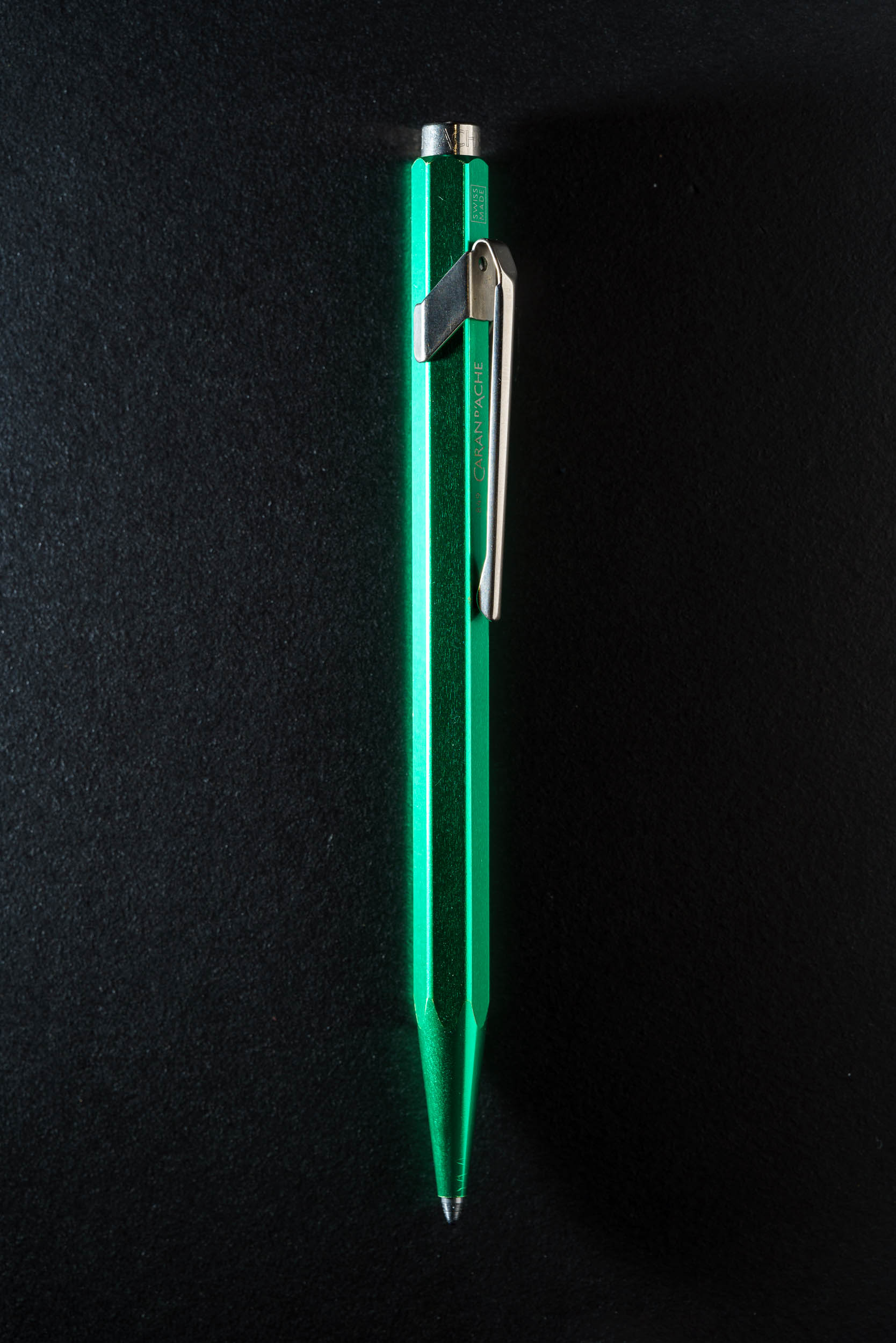
In the studio I tested the lens on hard, reflective subjects: cables, metal parts, shiny edges. Result: barely visible chromatic aberrations and very clean rendering. Internal corrections work well; corner sharpness and contrast are impressive.
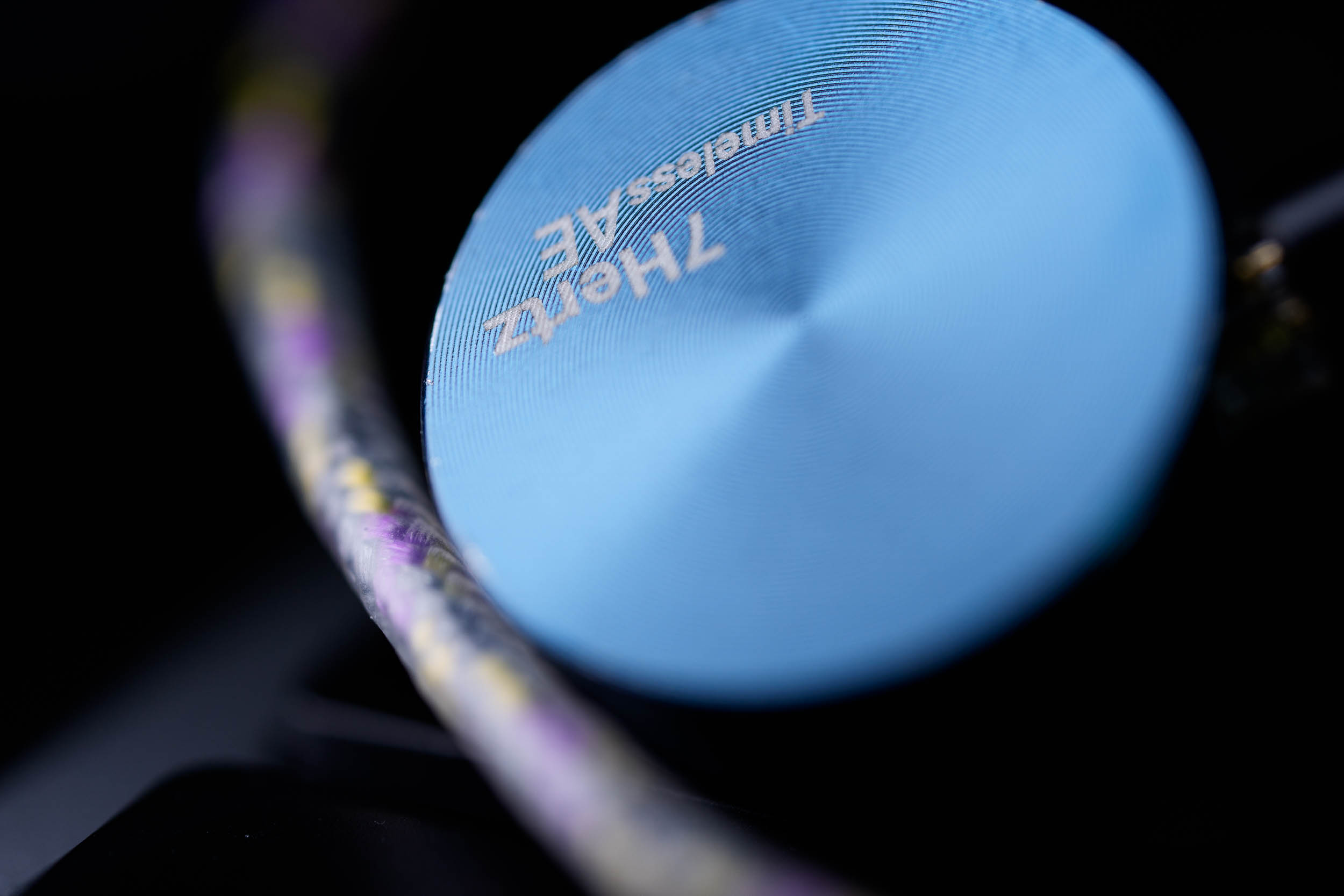


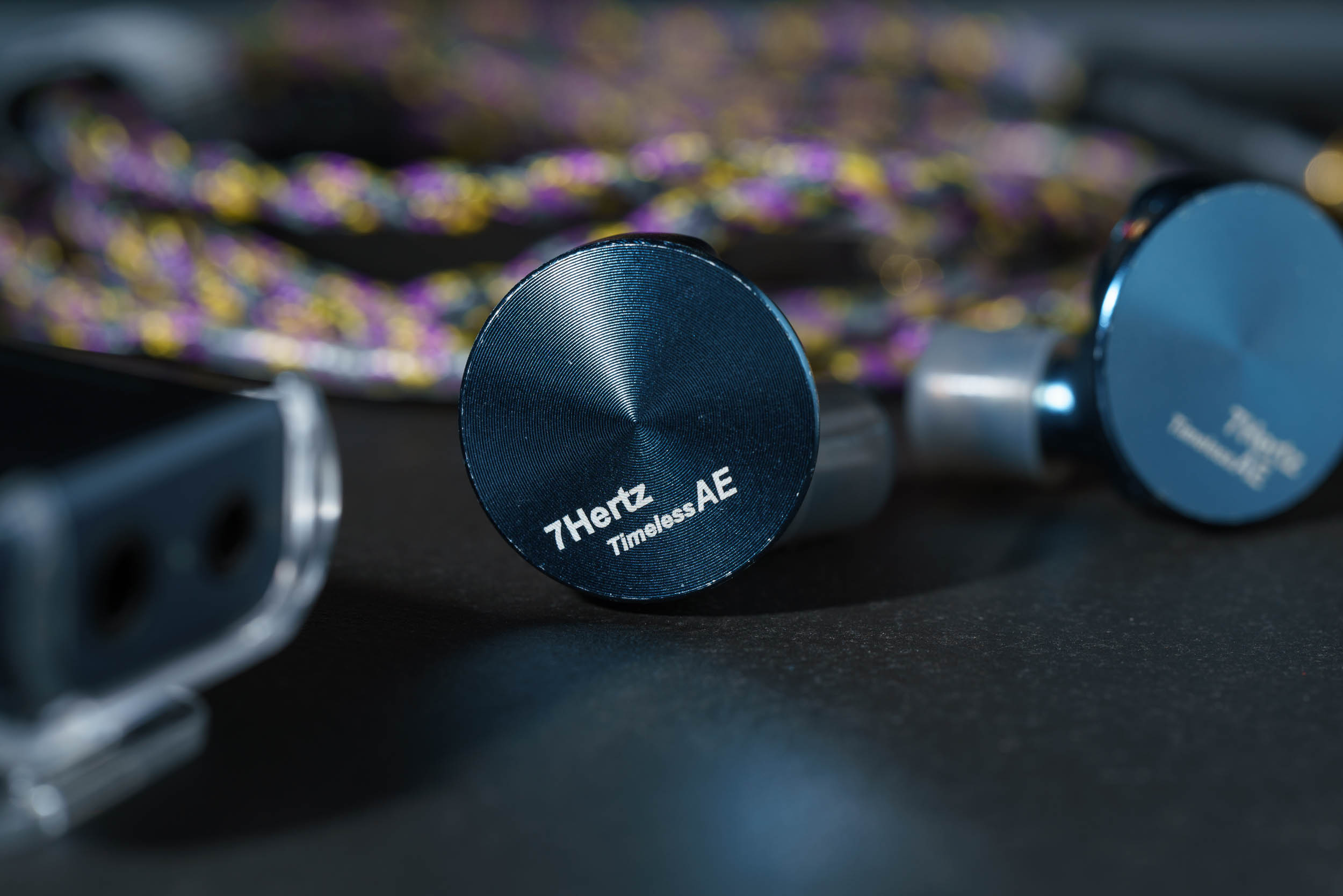
I also tested the lens with extension tubes to push magnification further. Sharpness holds up very well even at higher ratios. You do pay with light loss and the quality of the tubes dictates how well the system performs overall.
“Lab” tests (real‑world styled)
After all the outdoor and studio work, I wanted to look at specific image characteristics. I ran a few focused tests—not sterile lab procedures but practical scenarios that show where the lens shines and where compromises appear.
Lateral and longitudinal chromatic aberrations
I deliberately shot specular highlights and high‑contrast metallic edges—situations that usually show CA mercilessly. The result was a pleasant surprise: even on close inspection I find only minimal to no color fringing.

For the dreaded longitudinal aberrations (LoCA), which can be an issue for macro lenses, the Tamron stays mostly clean—no relevant color fringing in front of or behind the focus plane.
Sharpness & field uniformity
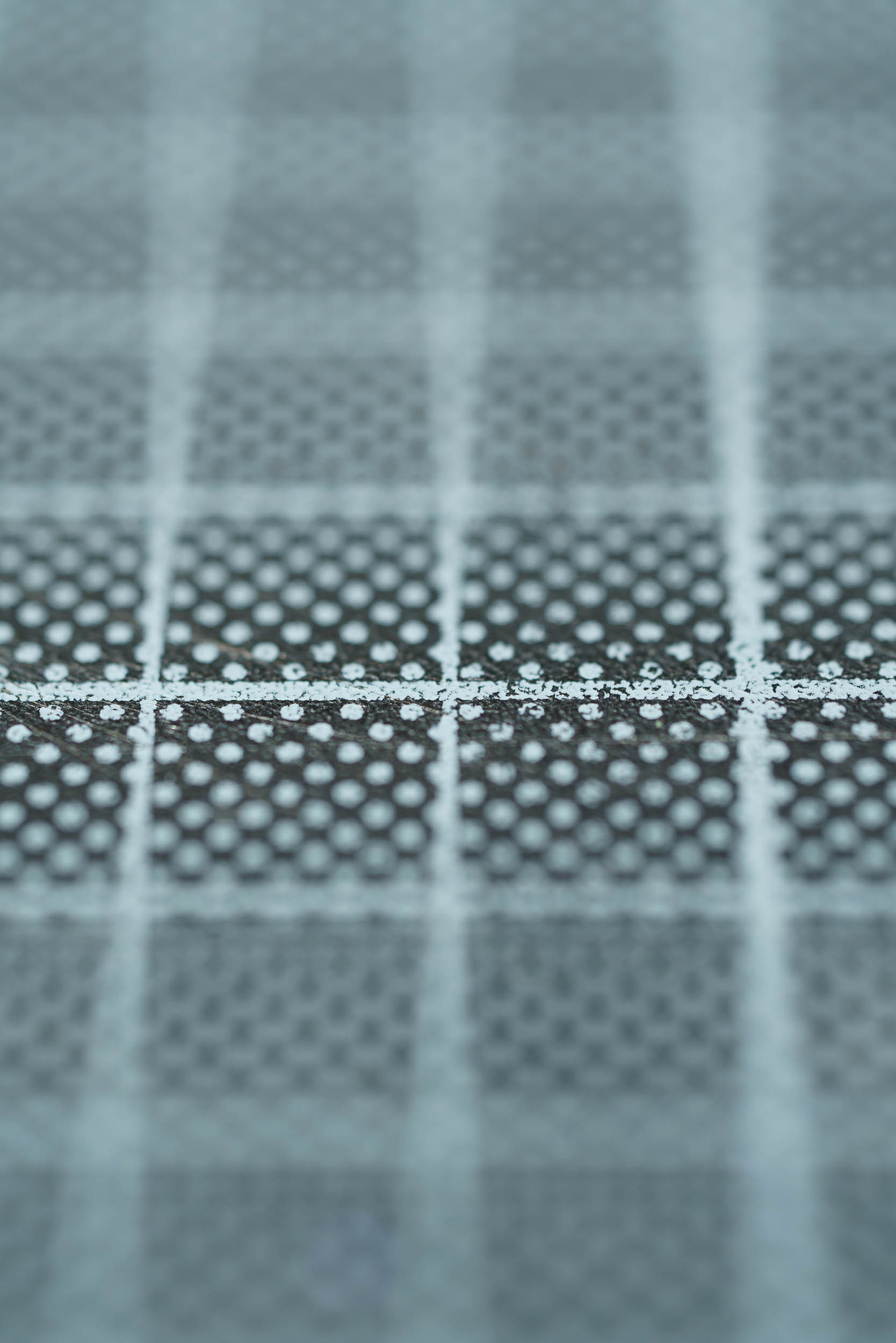
To judge sharpness across the frame, I photographed a flat subject. What stood out: the center is razor‑sharp and the corners are very good as well. For a macro at this focal length, that’s excellent—many competitors struggle here.

Vignetting
At f/2.8 there’s a light vignette in the corners—but honestly so subtle that it often helps the image by guiding attention to the center. By f/4–f/5.6 the vignetting is practically gone.


Bokeh — the biggest weakness
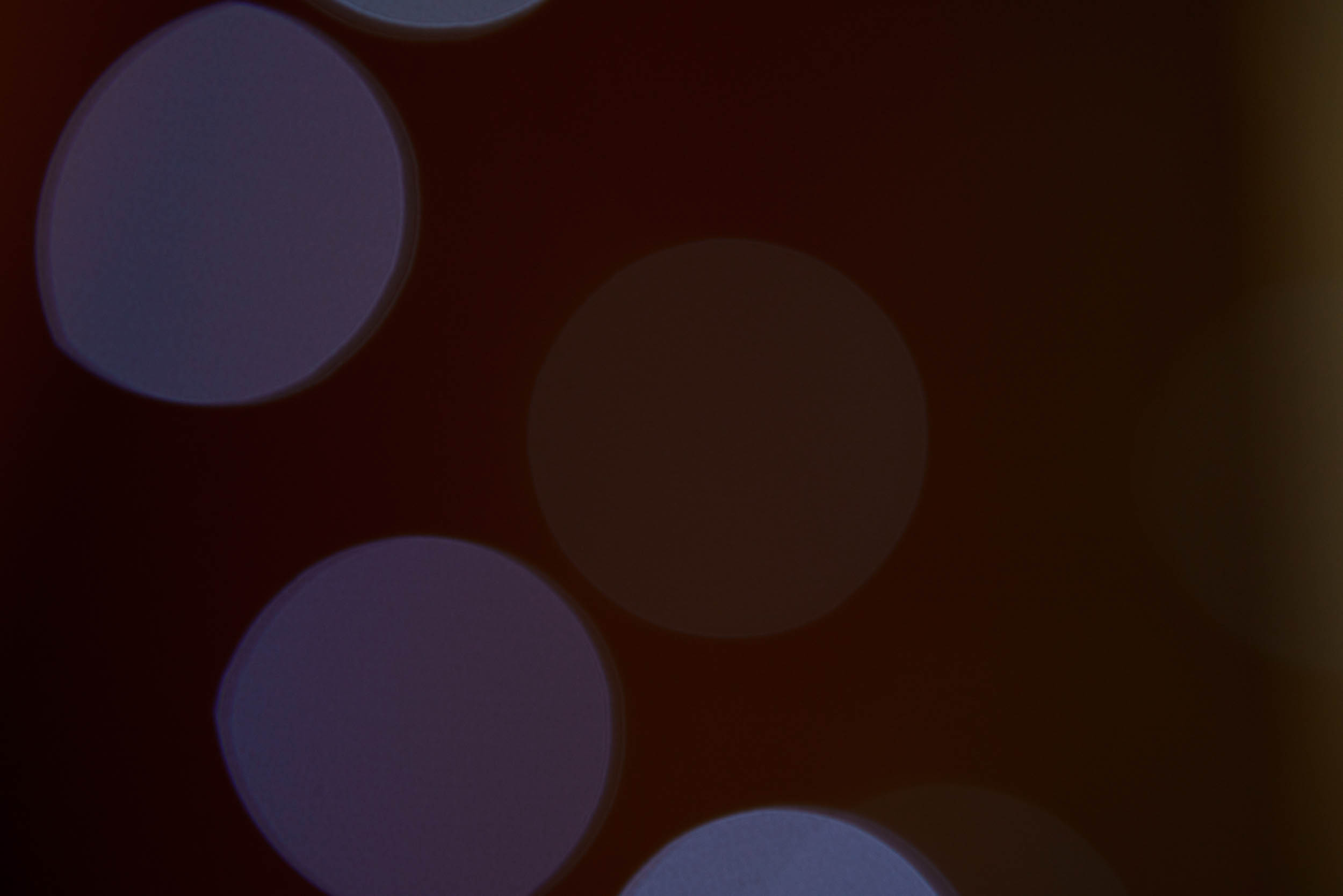
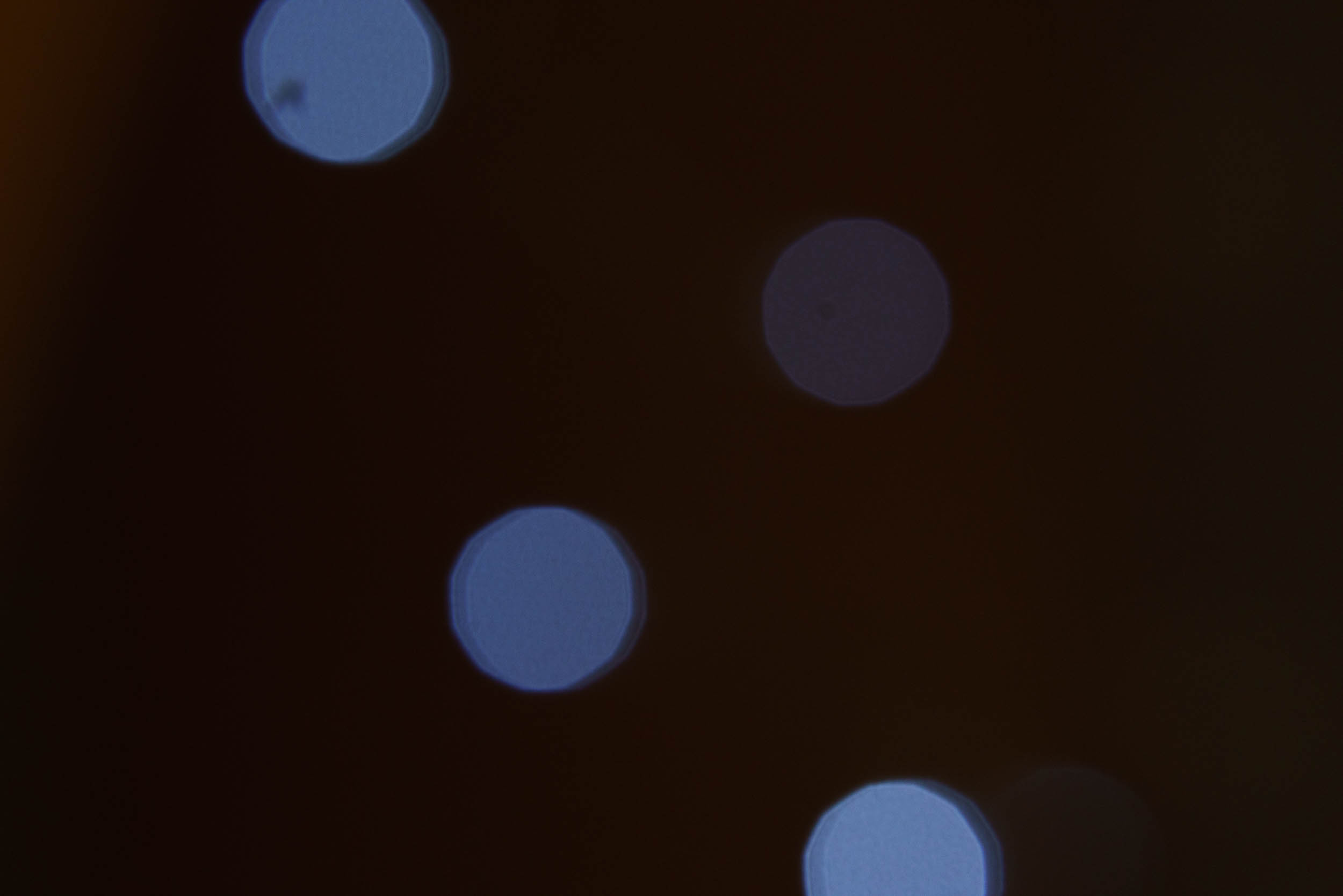
To be candid: at portrait distances (not in extreme macro) there’s a pronounced “soap‑bubble” effect in the bokeh. Backgrounds can get busy and distracting. That’s my biggest disappointment with the lens. In tight macro at 1:1, the effect is much less visible because the background is heavily blurred anyway.
Backlight & flare
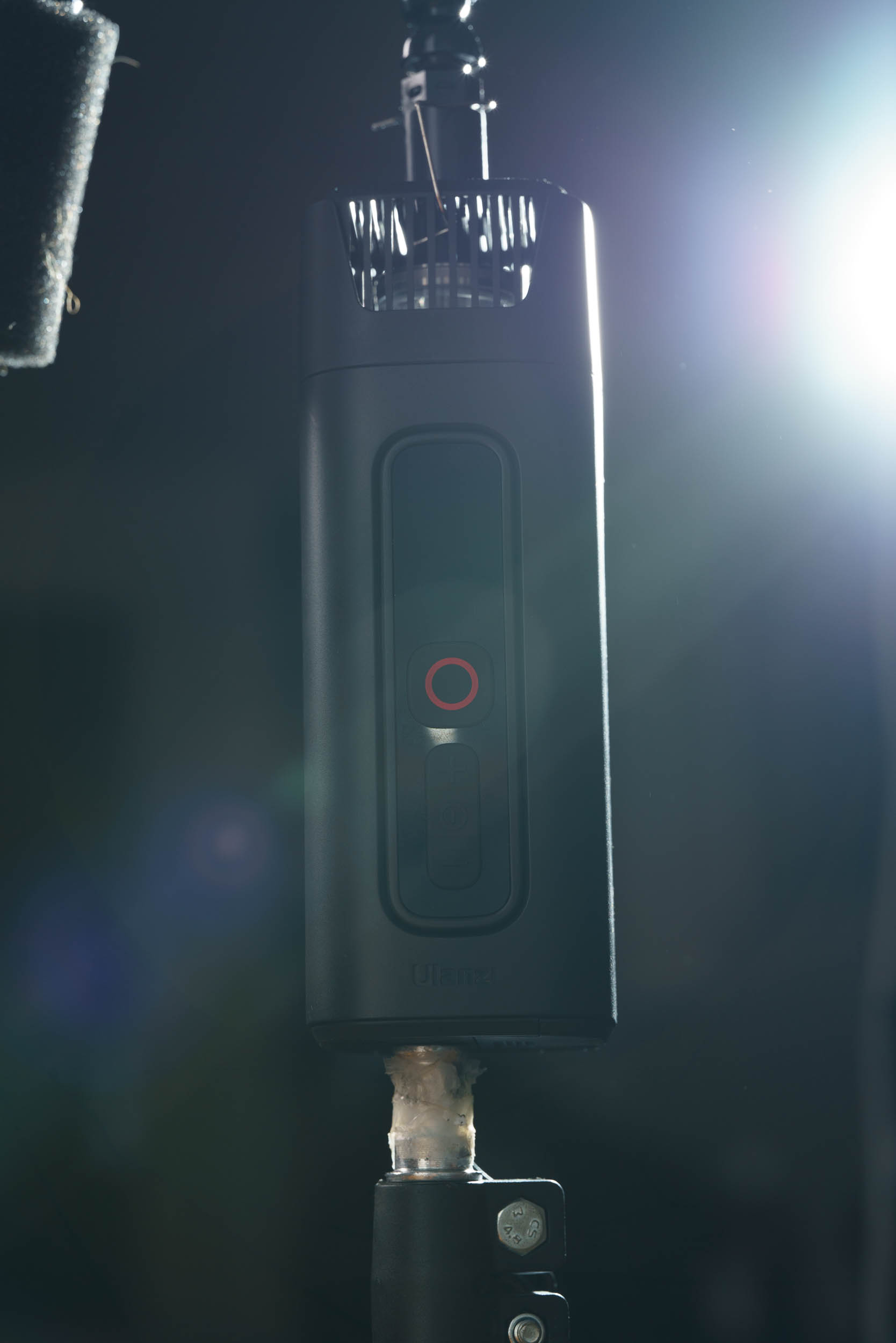
With harsh backlight—frontally and as side light—there’s a noticeable contrast hit and colored flares. Not dramatic, but present. With a little flagging (your hand works) or a small angle change, you can manage it well.
Strengths
- Very high sharpness right into the corners
- Precise, fast AF at close and portrait distances
- 1:1 reproduction with clean micro detail
- Barely any chromatic aberrations in real use
- USB‑C for firmware / configuration
- 67 mm filter thread (typical Tamron consistency)
- Long warranty (with registration)
Weaknesses
- No optical stabilizer (raises the bar for technique/tripod at 1:1)
- Soap‑bubble bokeh at portrait distance can be distracting
- Limited backlight headroom: some contrast loss and colored flare
Verdict
The Tamron 90mm F2.8 Macro proved itself in daily use. Sharpness is outstanding, autofocus is quick and accurate, and 1:1 detail rendering makes small subjects truly engaging. Especially positive: the low tendency to show color fringing and the versatility beyond classic macro. The weaknesses—a soap‑bubble bokeh at portrait distance, limited backlight performance, and no stabilizer—aren’t trivial but manageable for many applications. If you mostly shoot macro, product, details and occasional portraits and you value clean, sharp files, this is a very capable tool.
If you have questions about specific settings, focus methods, or lighting setups with this lens, I’m happy to add an update section.
Tamron 90mm F/2.8 Di III VC VXD MACRO Sony FE

Tamron 90mm F/2.8 Di III VC VXD MACRO Sony FE
Transparency & partner
This article was made possible by Perrot Image SA. I purchased the Tamron 90mm F2.8 Macro myself and tested it at my own expense. My assessment is entirely independent and reflects my honest opinion, as no monetary or material compensation was received for this review.