
Sony FE 200-600mm f/5.6-6.3 G OSS – Is it still the best wildlife lens? Experience Report
- Marvin Kuhn
- Experience report , Lens
- February 4, 2026
Table of Contents
The Sony FE 200-600mm f/5.6-6.3 G OSS is one of those lenses that truly convinced me only over time. On paper, it initially seemed like a classic compromise zoom: great focal length, comparatively moderate maximum aperture, and a price significantly below many professional alternatives. But the more I used it in practice, the clearer it became: this isn’t a compromise, but a well-thought-out, versatile tool—especially for wildlife, birdwatching, and longer outdoor adventures.
Build Quality and Handling in Everyday Use
Despite its maximum focal length, the 200-600mm feels surprisingly balanced. At around 2.1 kilograms it’s certainly not lightweight, but it’s far from unwieldy. For me it’s light enough to carry for extended periods and to shoot handheld again and again.
A key everyday advantage is the internal zoom mechanism. The lens does not extend, which makes handling more pleasant and reduces susceptibility to dust and dirt. In outdoor use—forest or snow—this really pays off. The weather sealing has proven itself for me in damp, cold, and winter conditions.
Another highlight is the control layout on the lens. The focus mode switch, focus distance limiter, customizable AF-hold button, and OSS switch are well placed and easy to operate even with gloves. With the focus distance limiter I can narrow the focus range, which noticeably improves AF speed and accuracy for wildlife. This has often helped me lock focus faster on the subject, especially with busy backgrounds.
The strap attachment points are not a minor detail at this weight—they’re a real plus. I currently use a Peak Design Slide Lite, but I quickly notice the weight over time. I’m currently testing a Cotton Carrier system to make longer tours more comfortable.
One clear weak point remains the tripod foot. The fact that it isn’t Arca-Swiss compatible feels like an unnecessary compromise. I replaced it fairly quickly with a Leofoto lens foot, which significantly improved tripod work—especially combined with a gimbal.
Carry system tip: For long hikes, I recommend a shoulder or hip carry system like Cotton Carrier, Peak Design sling variants, or similar setups. Simple neck straps are comfortable but become tiring over time. Switching from my Peak Design Slide Lite to better carry systems noticeably improved the outdoor experience.
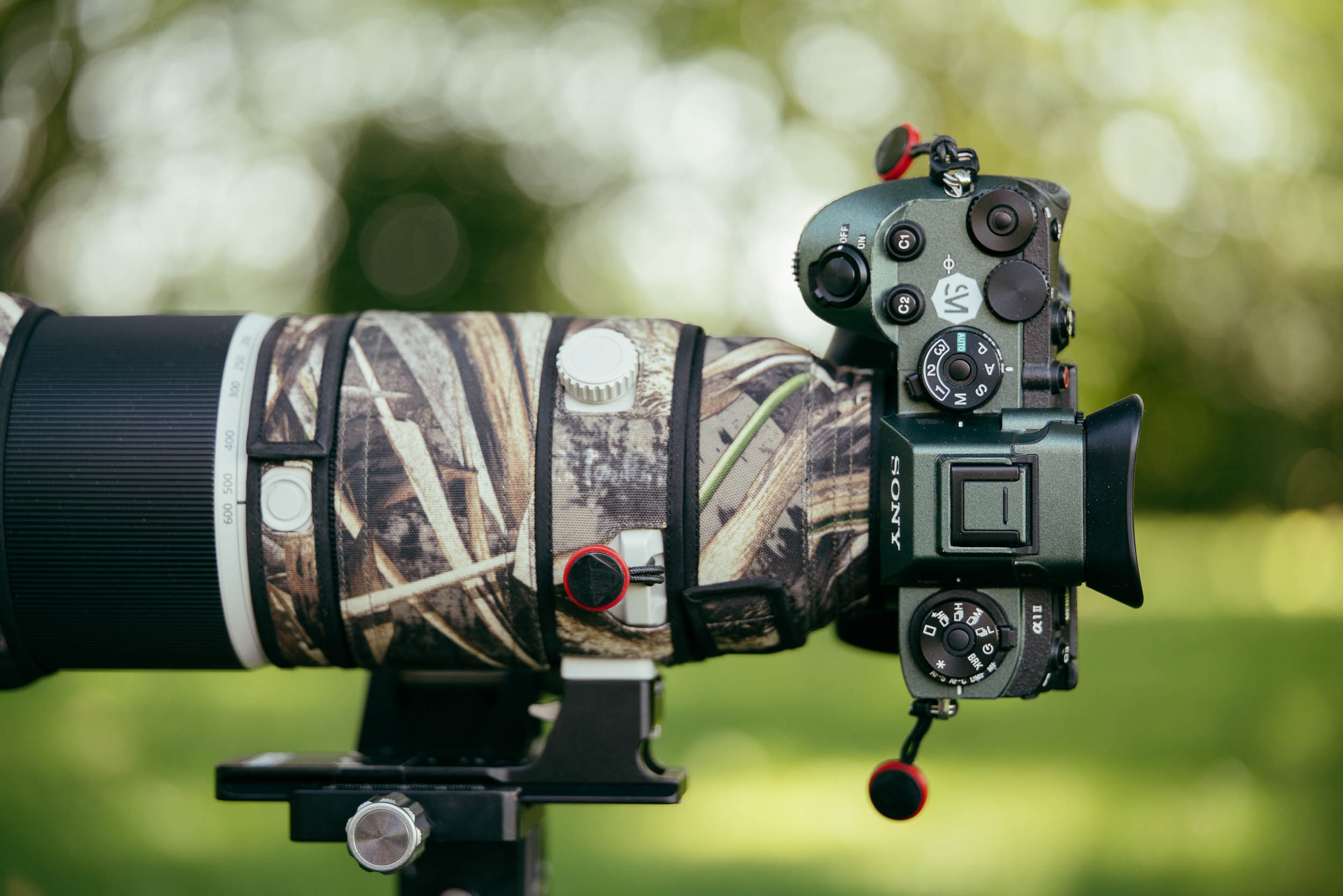
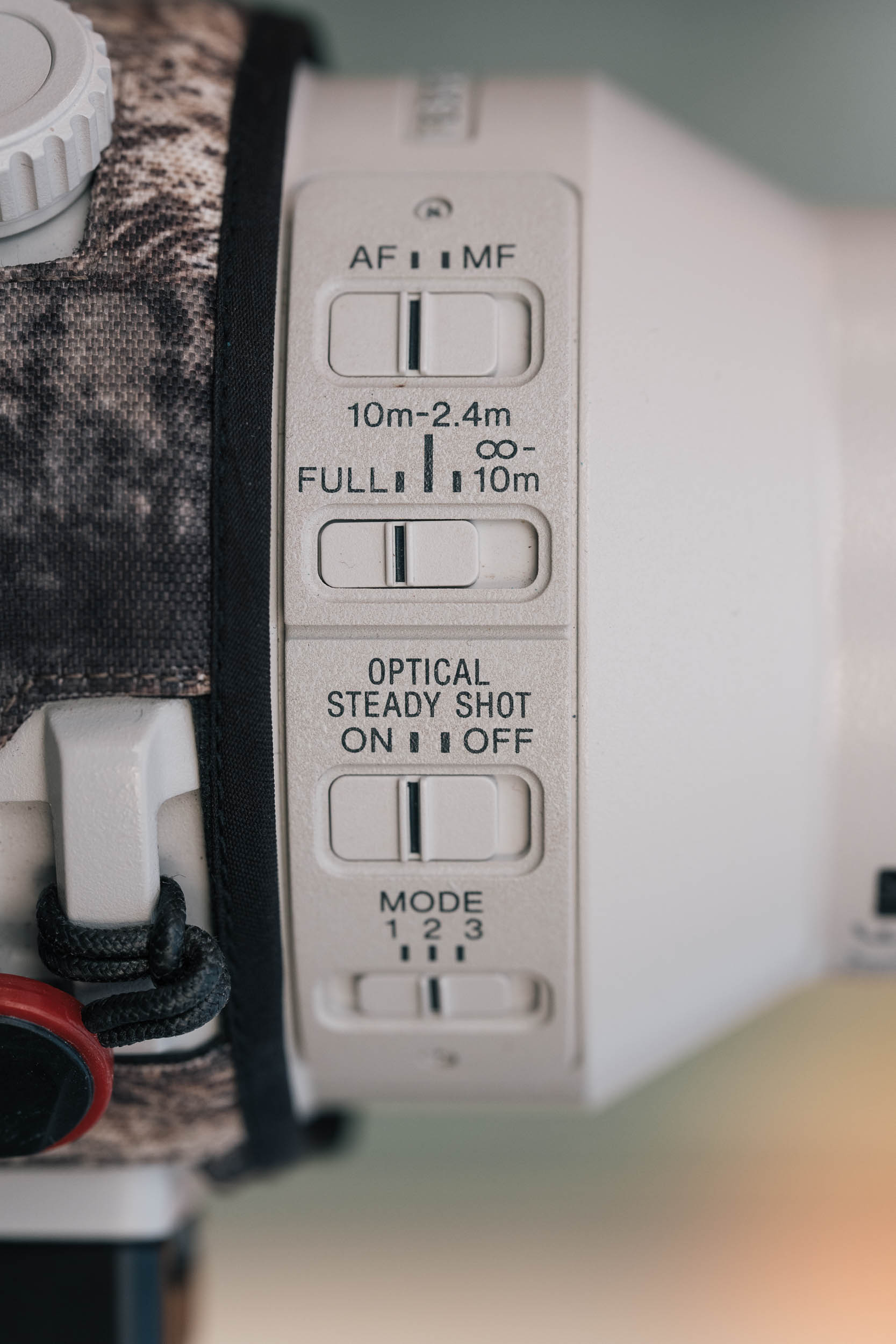
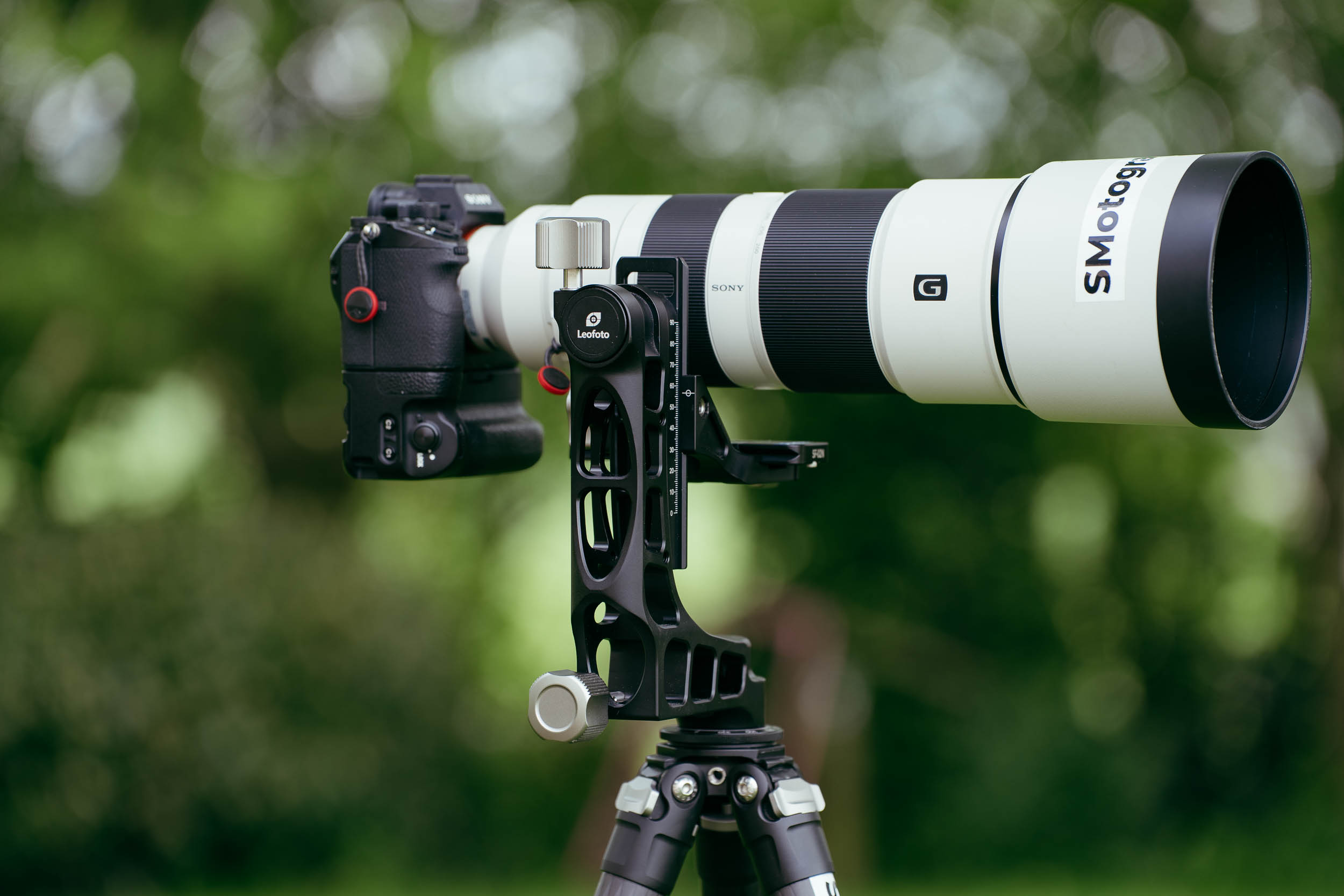
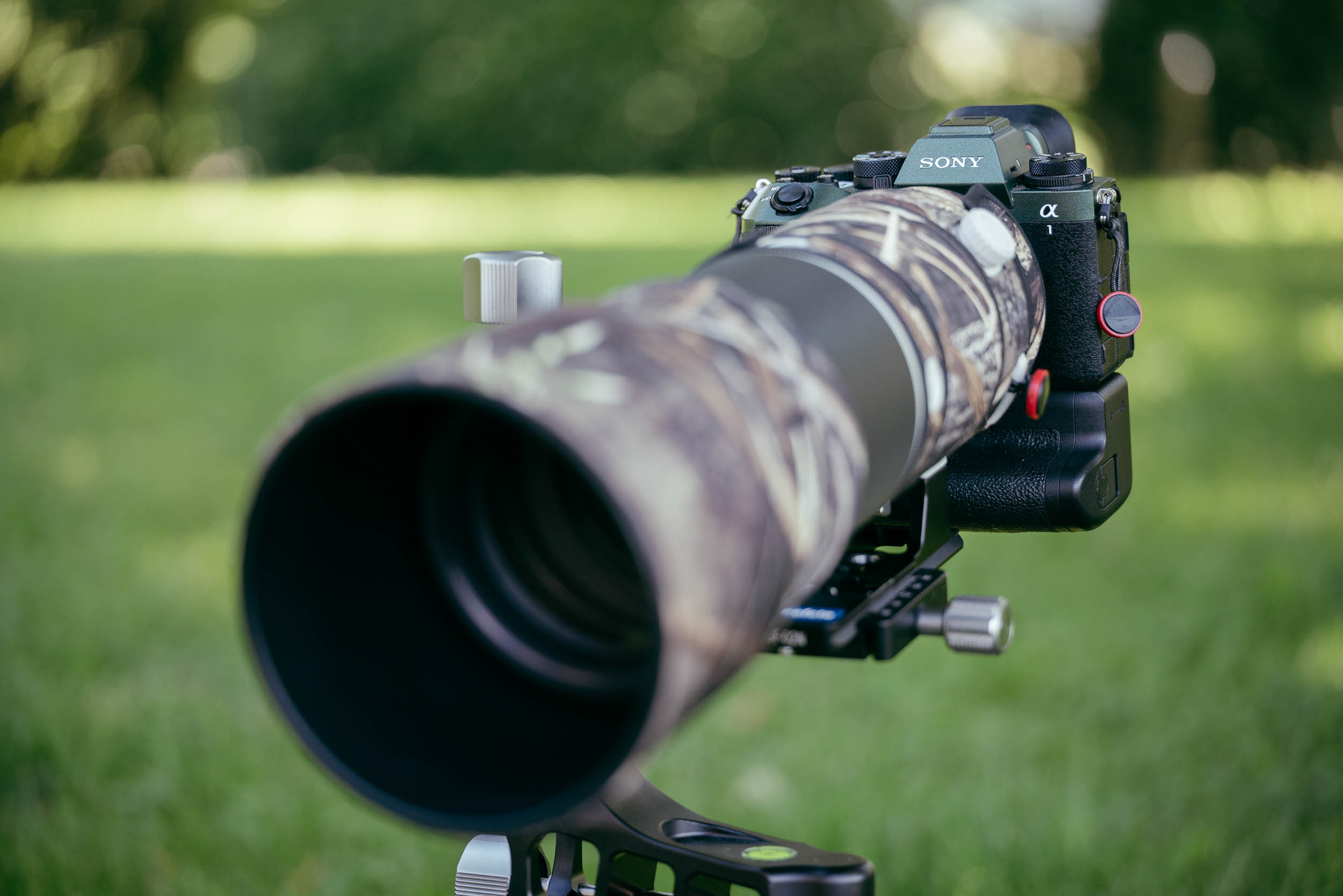
Image Quality, Autofocus, and Stabilization
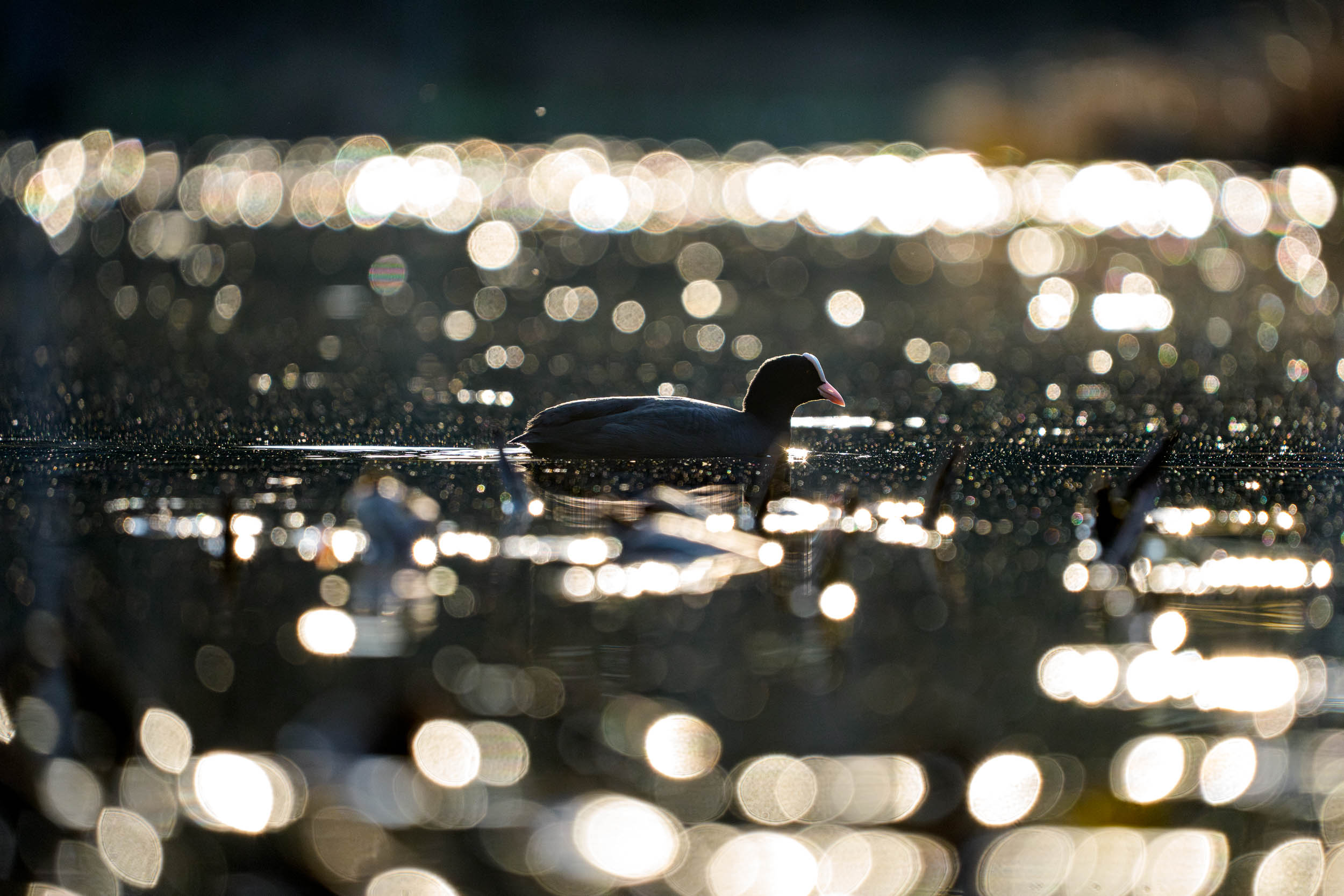
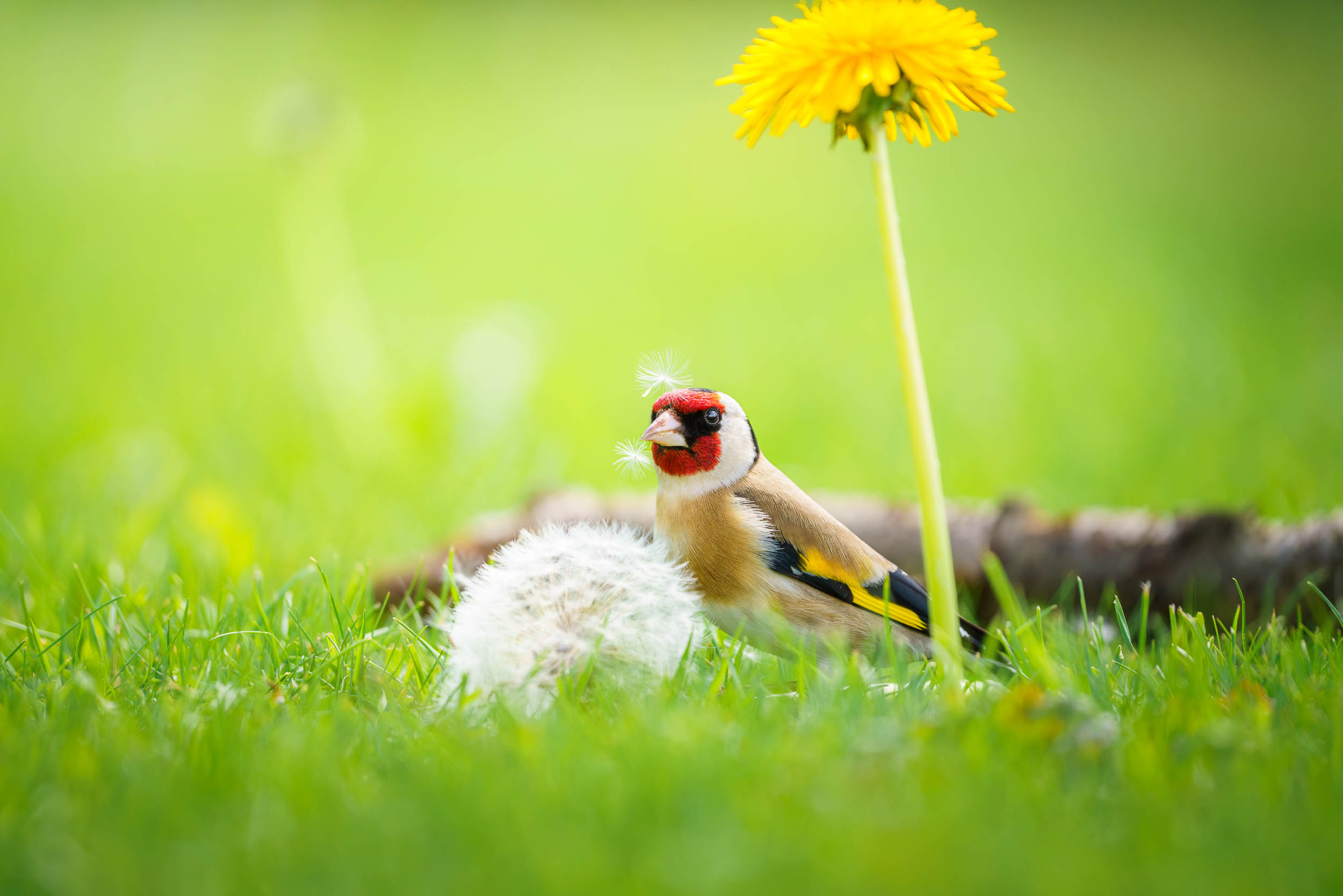
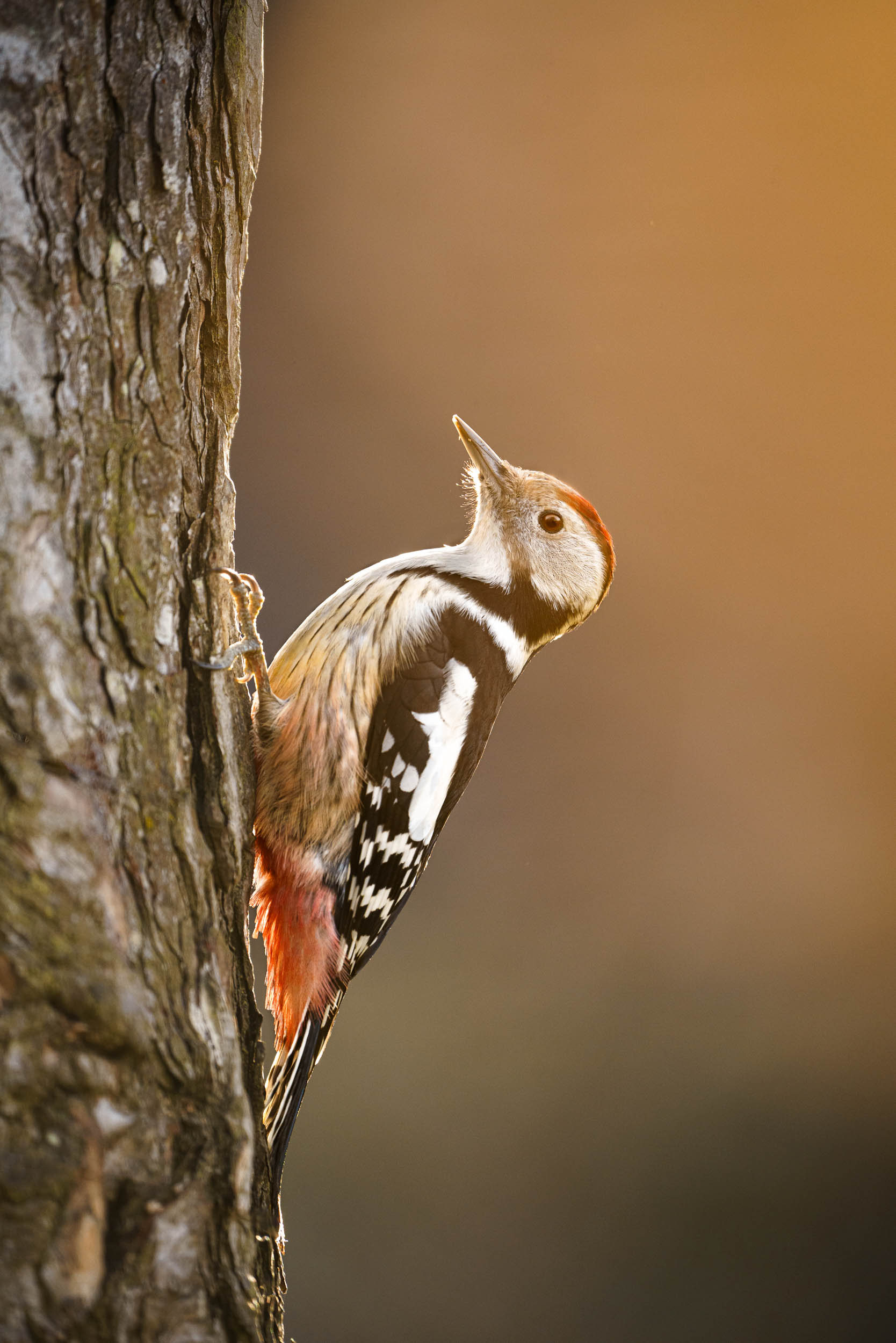
Overall image quality from the 200-600mm is very convincing. Sharpness is high—even at the long end—contrast is pleasant, and chromatic aberrations are rare. Compared with other zooms in this class, the rendering feels clean and controlled.
Autofocus is fast and reliable. Paired with my Sony A7R III it delivers consistently usable results, even though newer cameras could likely squeeze out more performance. Particularly positive is how confidently it locks focus on moving subjects—essential for wildlife and birds.
Practical settings tips: For birds in flight I use at least 1/1000–1/2000s; for larger species 1/800–1/1200s often suffices. For static subjects on a stable tripod, 1/500s can be enough (combined with OSS + IBIS). For AF I choose AF-C (continuous) with Eye Tracking (if available) and set burst mode to High. In lower light I use Zone AF instead of Single Point. ISO strategy: I’d rather raise ISO and get sharper images than use too slow shutter speeds—modern noise reduction in RAW processing helps a lot.
The image stabilizer does good work and enables handheld shots even at longer focal lengths. It’s not at the level of newer or significantly more expensive alternatives, but it works reliably. Compared to lenses like the 400-800 G, you have to make compromises, but you get a lighter, cheaper, and slightly faster lens in return.
Close Focus and Focus Breathing
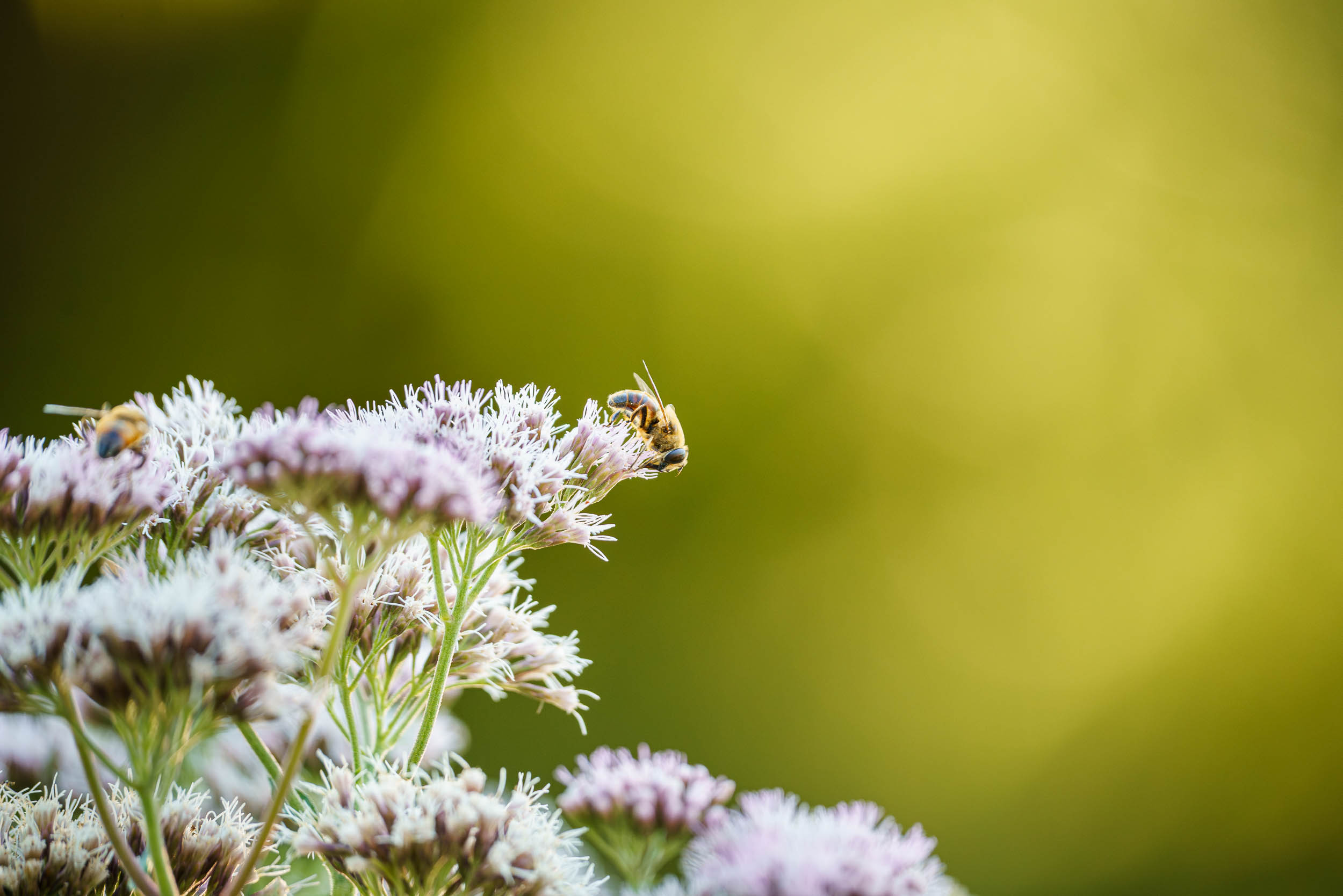
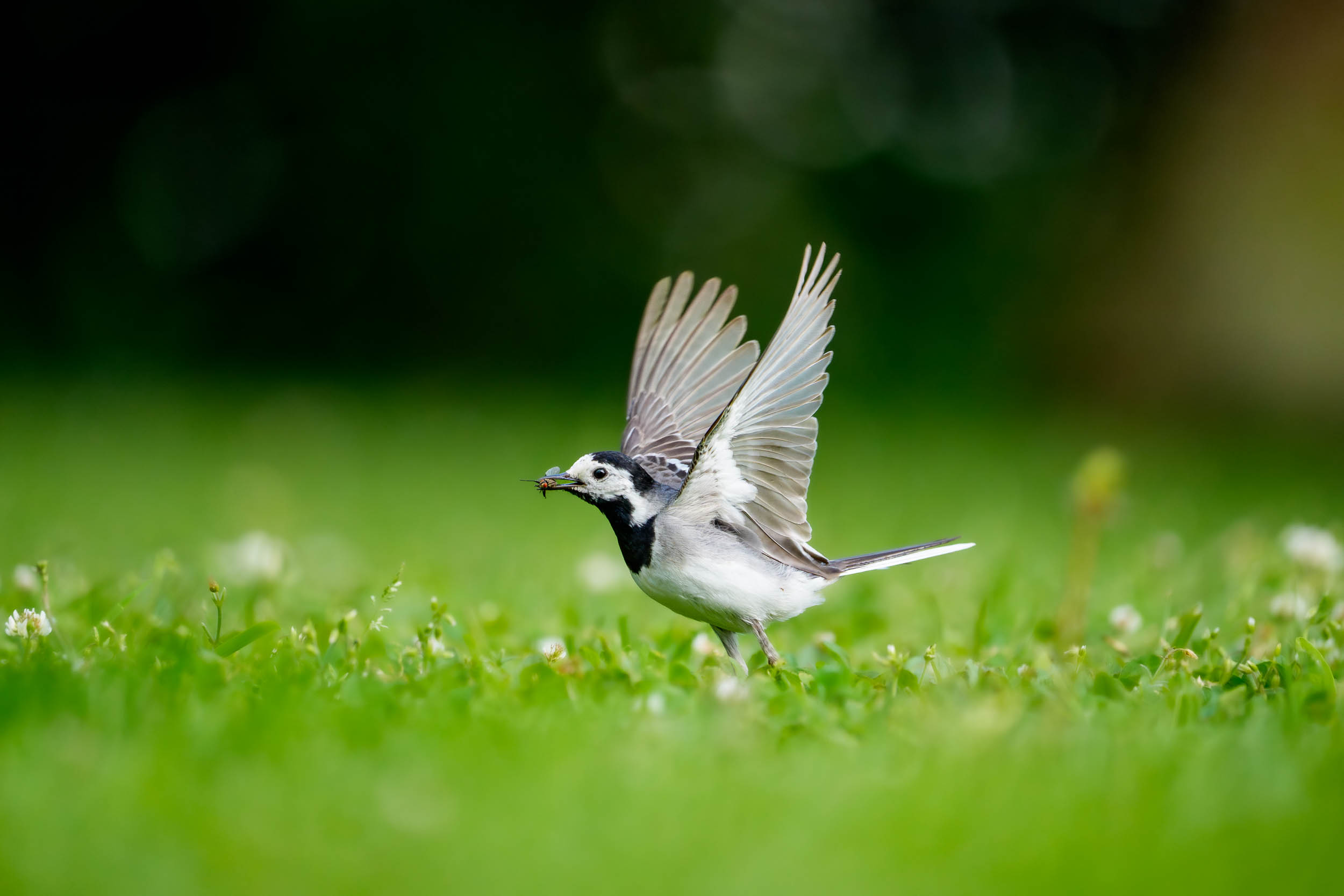
The lens’s close focusing capability is generally good to use, which is especially helpful for smaller birds. However, there is noticeable focus breathing here. The effective magnification appears noticeably less than with a native 600mm lens.
In theory, you could compensate for this effect with extension tubes or macro rings. In practice, however, I find this too cumbersome, and you lose additional light—a point that’s already critical with a maximum aperture of f/6.3. If I do need to capture details, I’d rather reach for the 100-400 GM or go straight to a macro lens, like the Tamron 90mm. Nonetheless, close-ups with the 200-600mm are possible and deliver surprisingly good results for a telephoto zoom of this class.


Wildlife in the Forest – Goldcrest
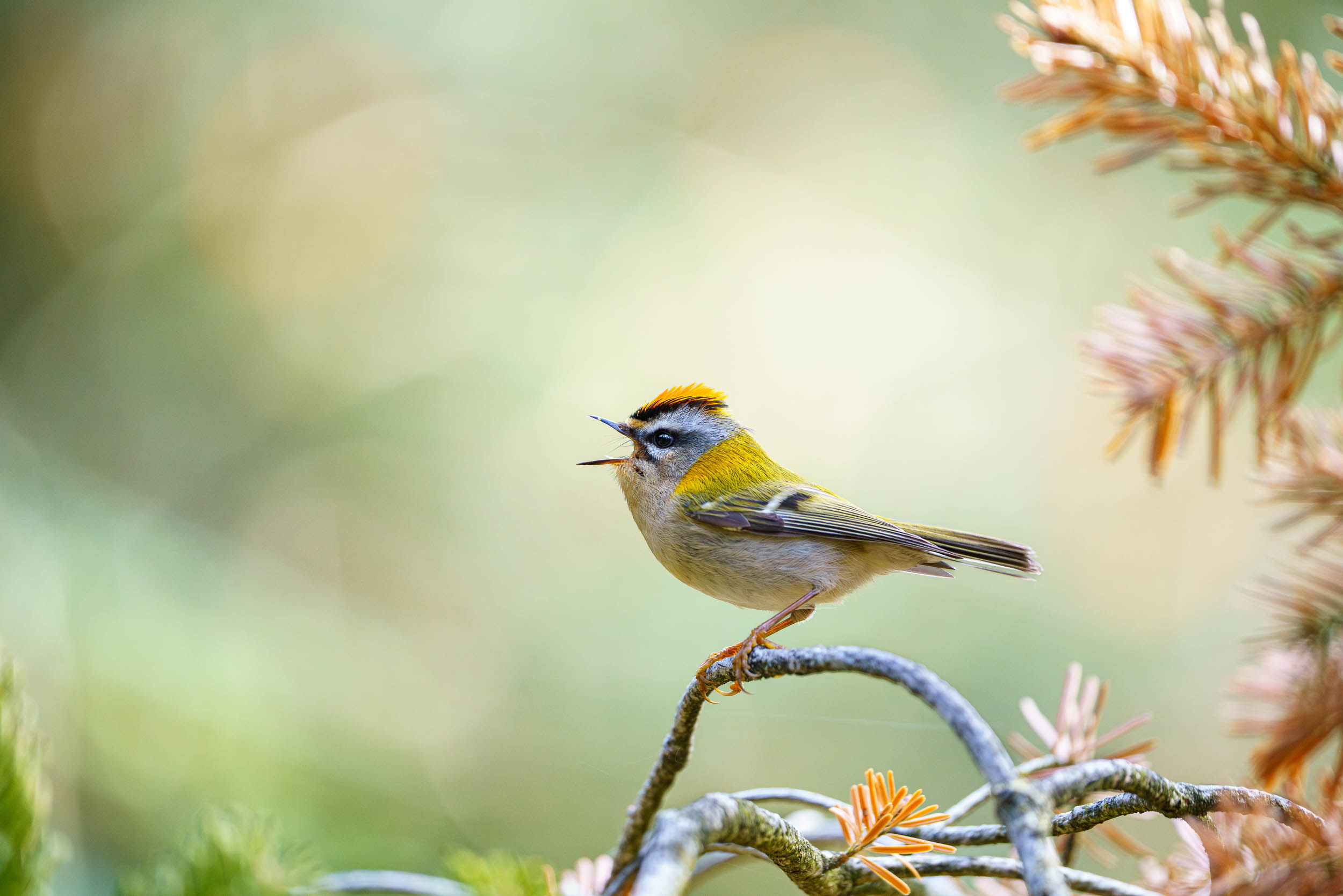
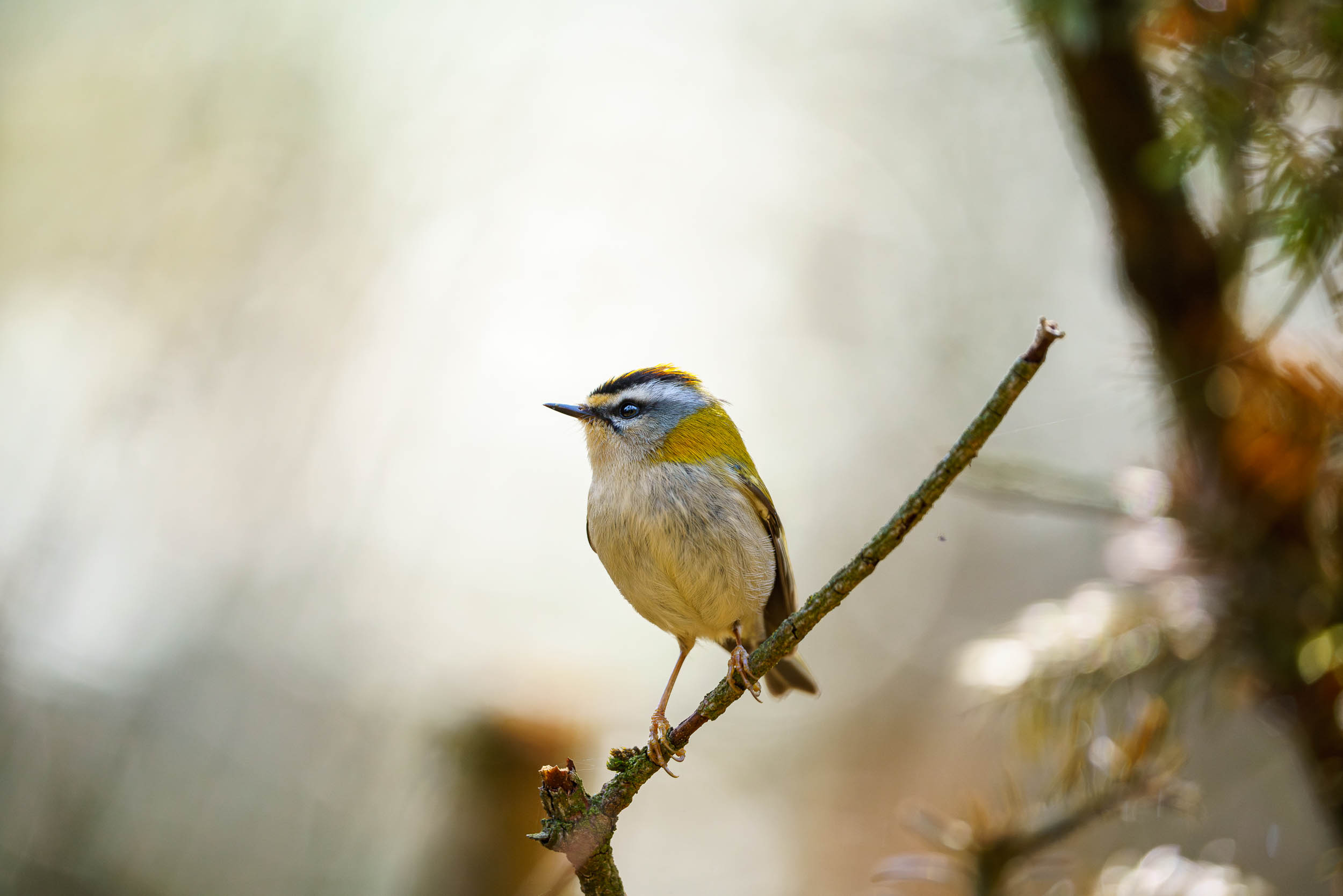
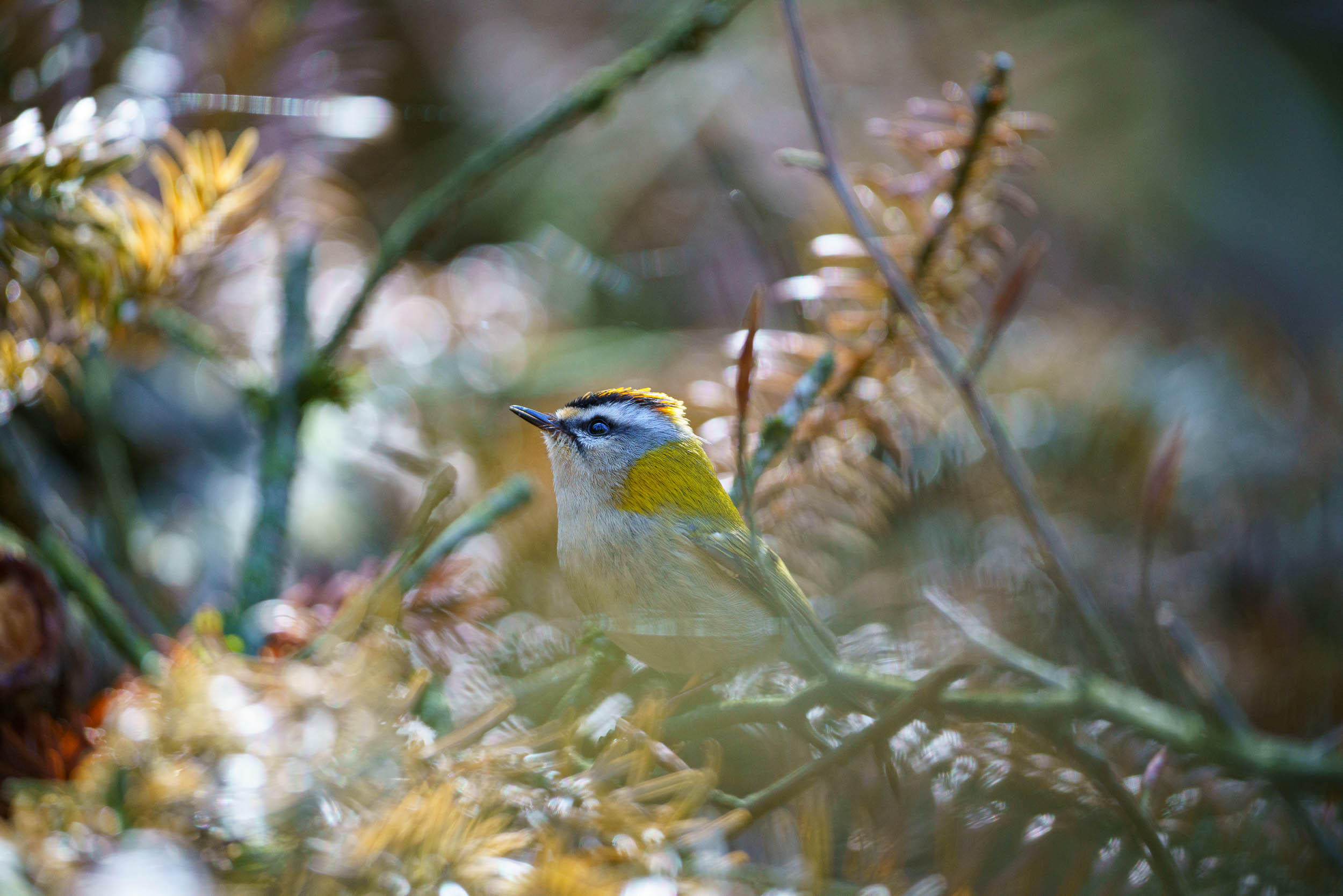
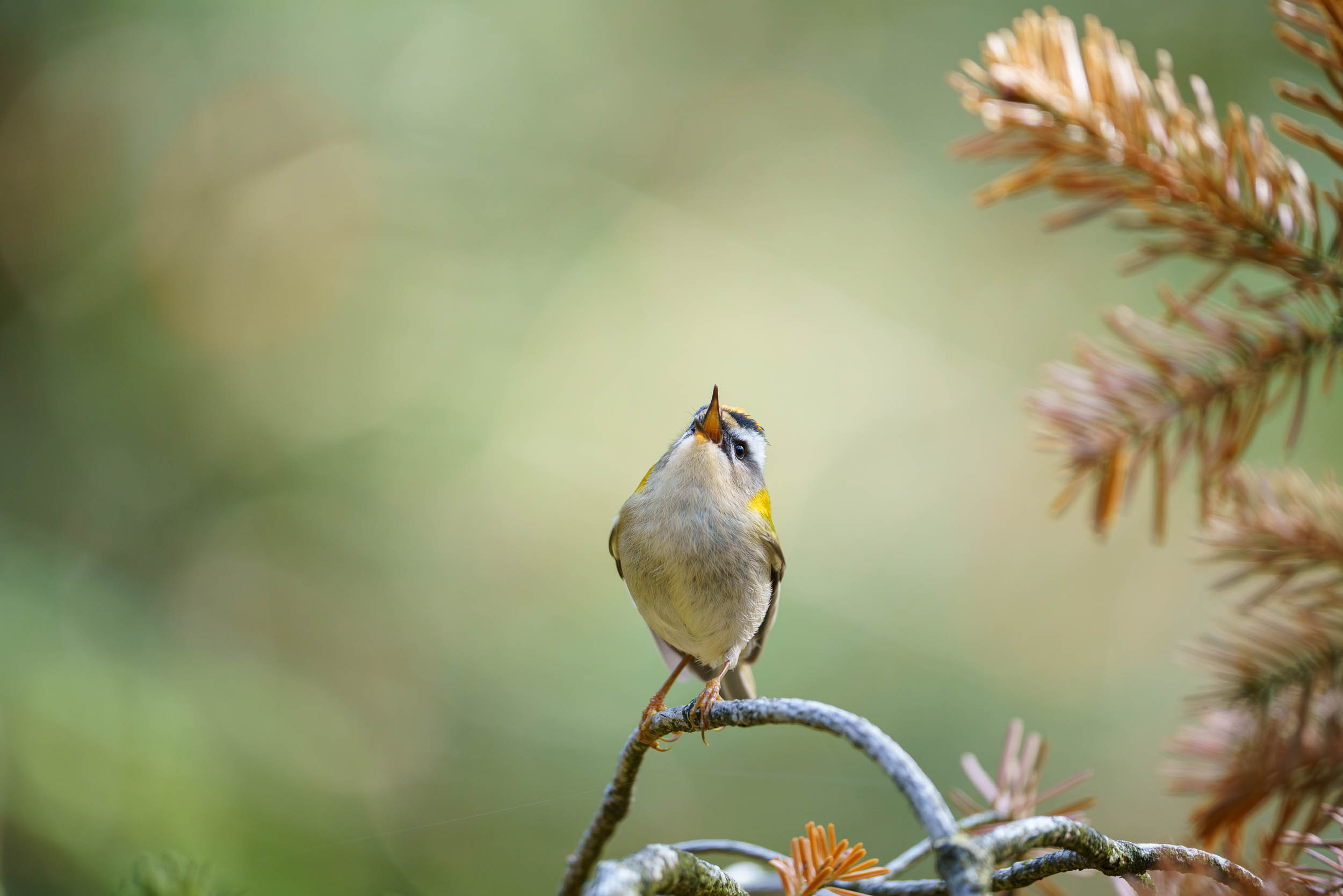
One of my most memorable experiences with this lens was photographing goldcrests. The session took place in the forest, with a camouflage net between dead trees and near coniferous vegetation, during breeding season. The birds were active, constantly moving between nearby branches and singing for mate-finding—small, quick movements that demanded fast reactions.
Here the autofocus showed its best side in close-range situations. Focus was precise, and sharpness was excellent. At the same time, it became clear where the lens has its limits. In dense vegetation, you constantly need sufficient light; the relatively low maximum aperture quickly pushed the ISO to levels that shouldn’t really be necessary. With a faster prime lens, I would have been more comfortable here.
The focus breathing was also noticeable: the magnification seemed noticeably less than hoped. I could have compensated with extension tubes, but the effort and additional light loss didn’t seem worthwhile for the situation.

Birds in Flight and Fast Movement
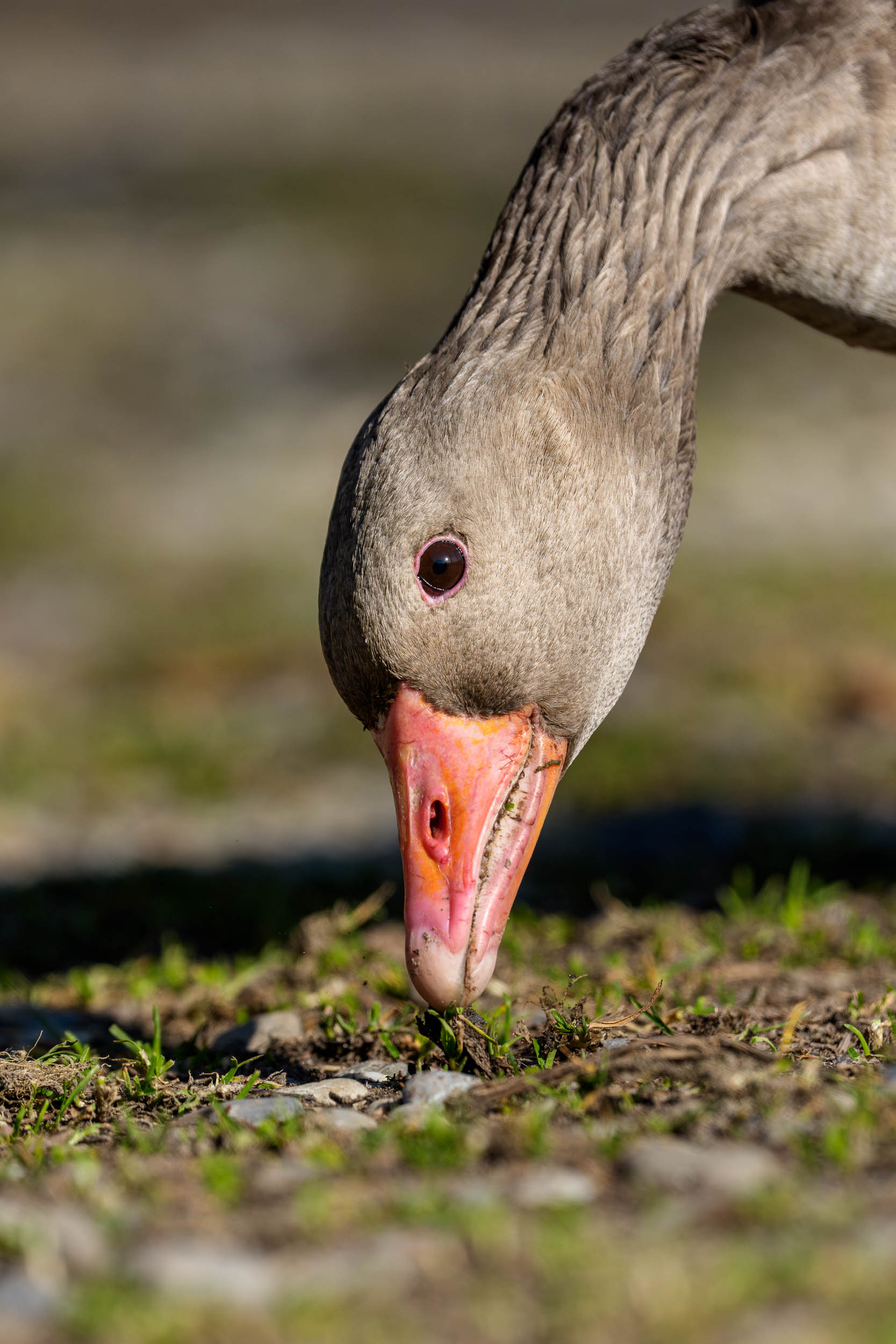
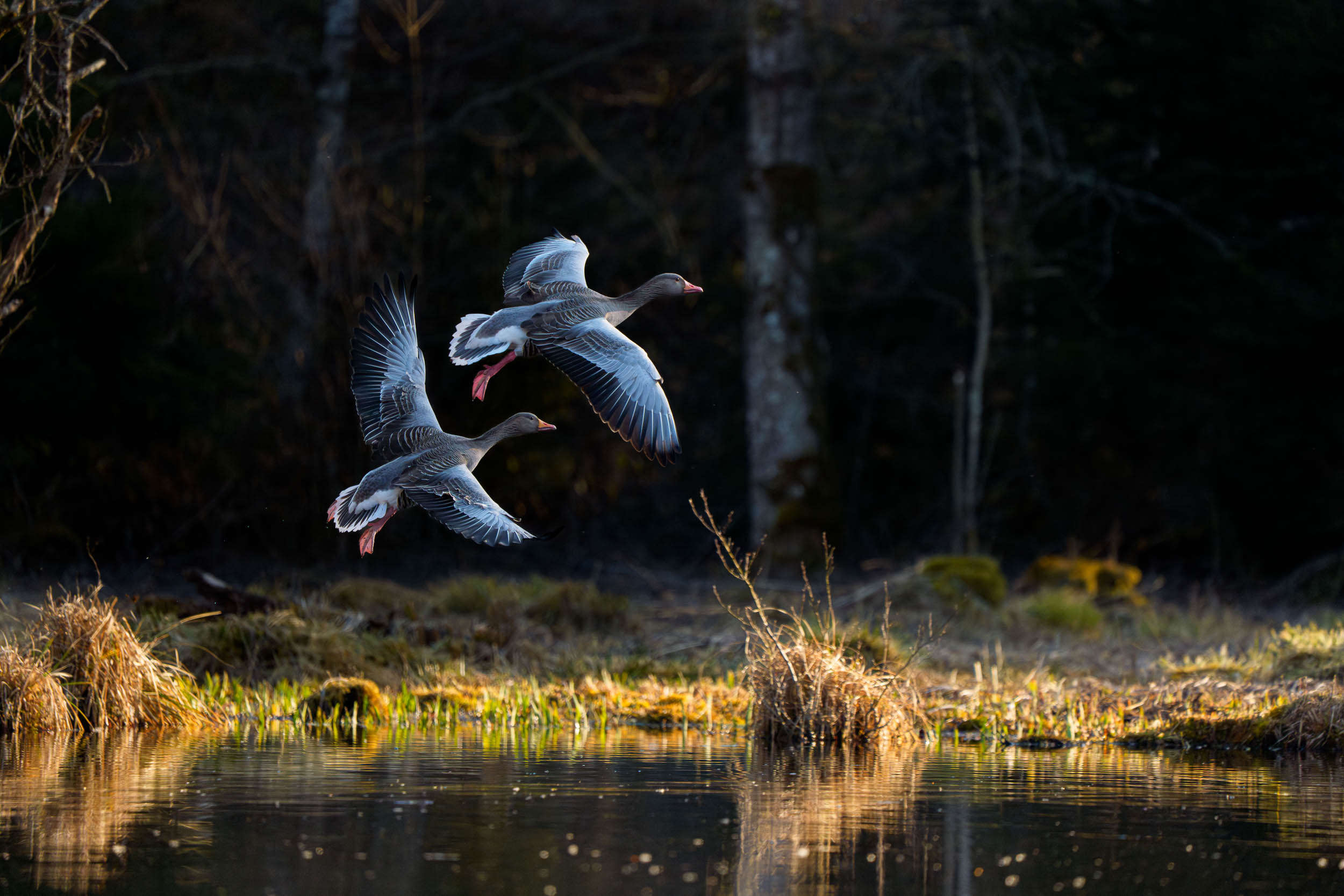
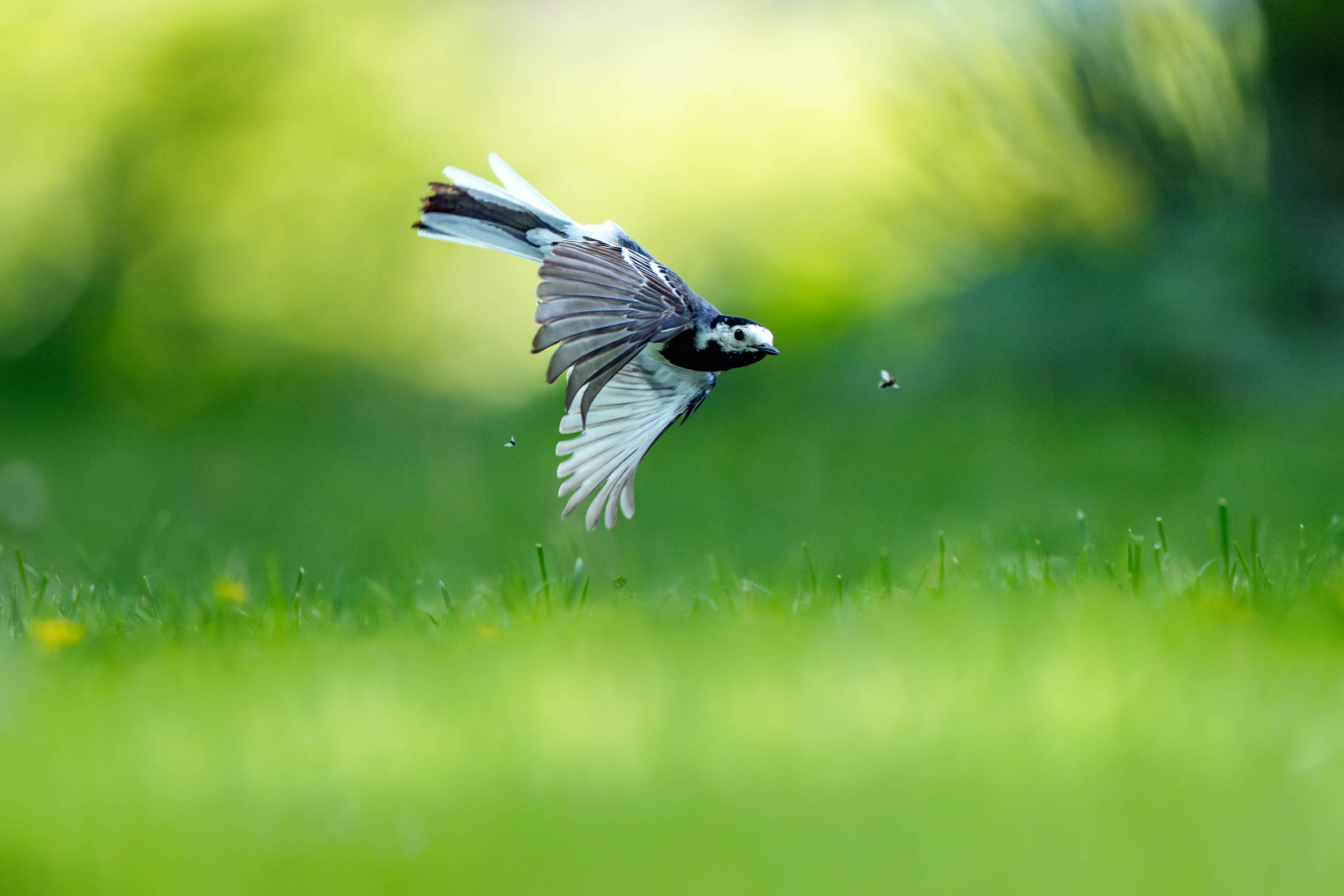
With larger birds like greylag geese, the autofocus also works very reliably, even with complex flight maneuvers. Focus is secure, and when I shoot a burst, the lens delivers a high hit rate. This is particularly true in combination with the Sony A1 II, which makes autofocus even more precise and faster than with the A7R III.
With smaller, faster birds, autofocus also locks well, though not always at one hundred percent. Camera capabilities probably play a role here too. Overall, the performance remains perfectly practical, especially considering what you get for the money.
Winter Use and Snow
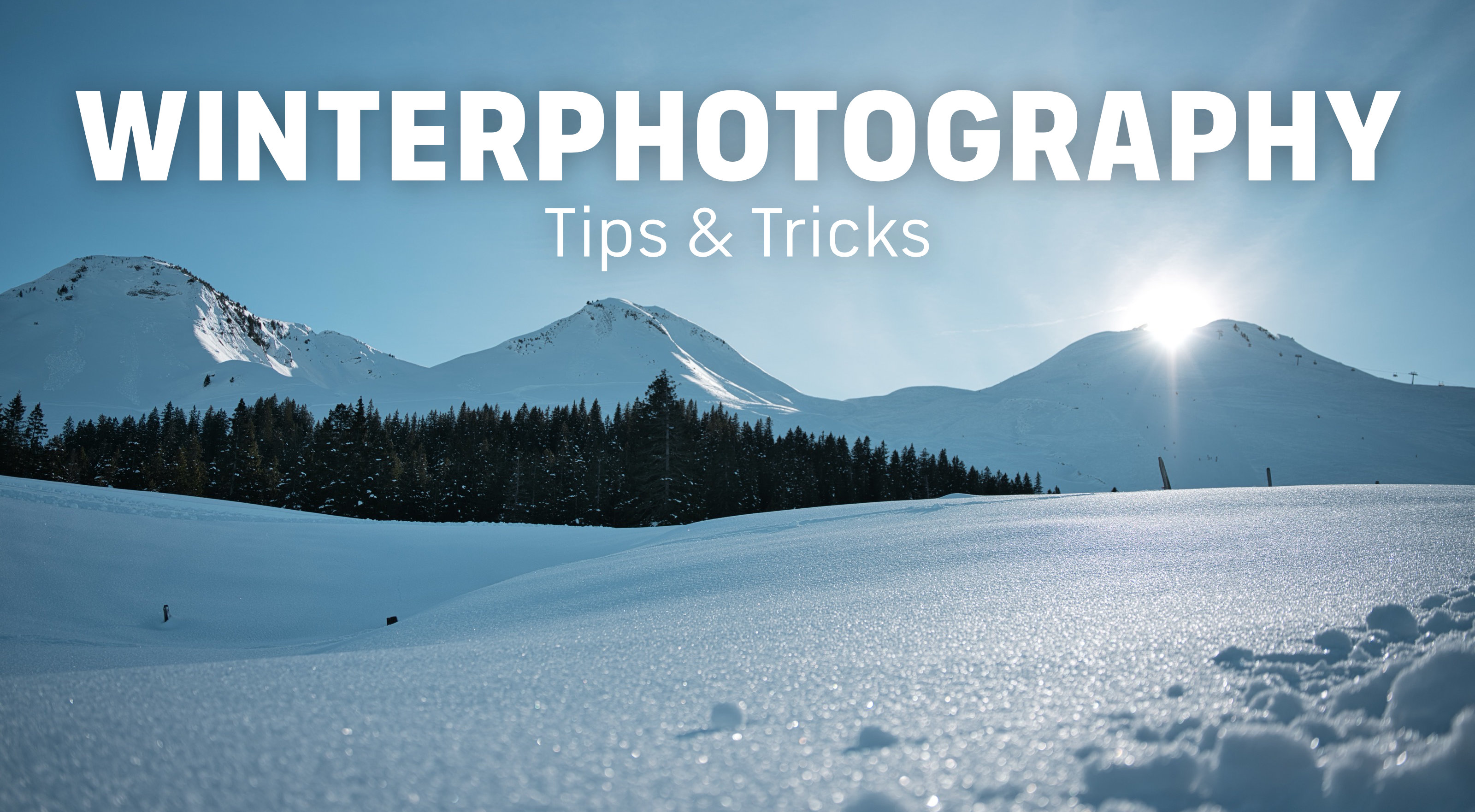
Winter photography is its own discipline with high demands. Before shooting I always leave camera and lens outside for a while to avoid temperature shock—mistakes here can be costly.
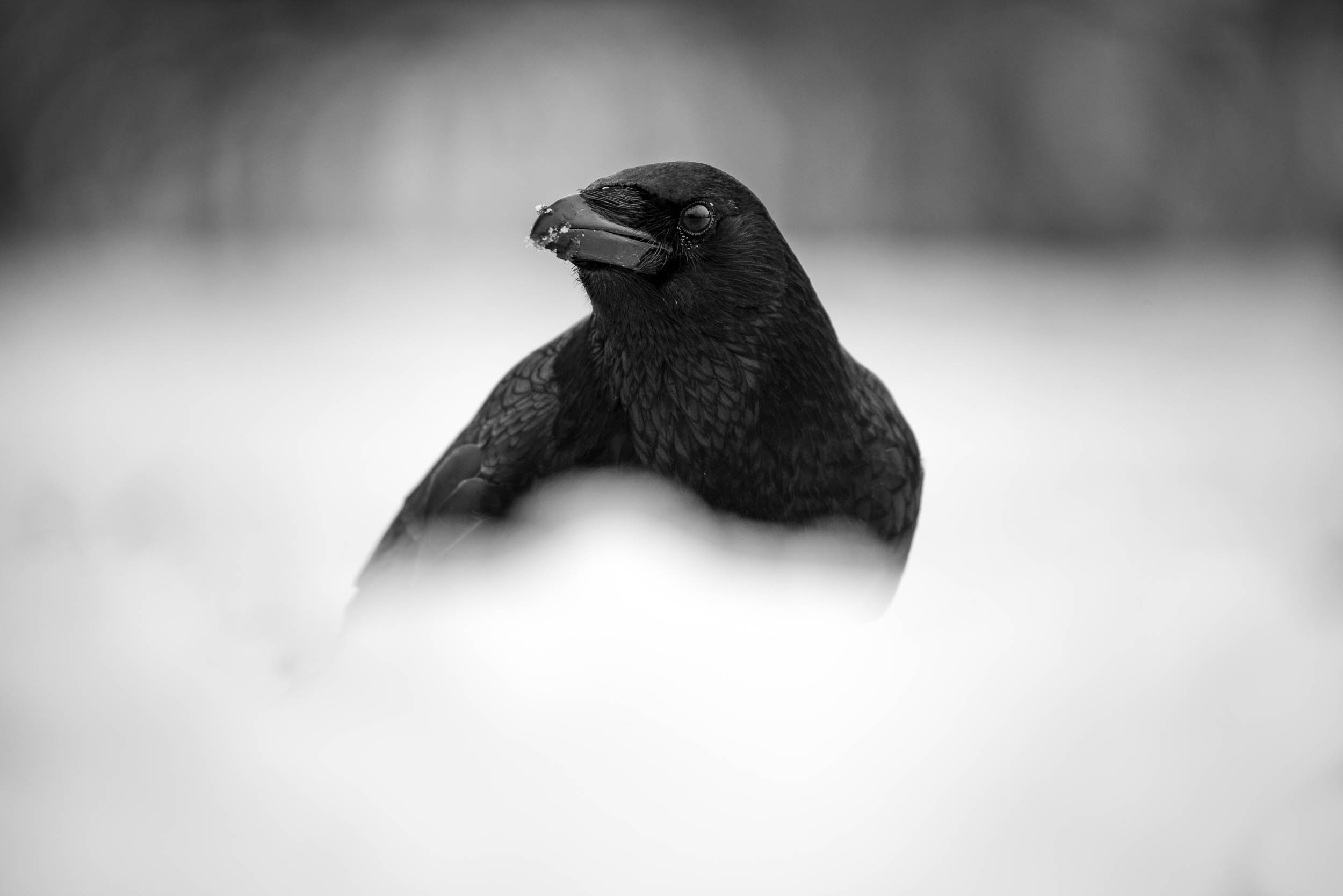
Snow adds further challenges. Exposure is a constant struggle because the camera’s meter tends to underexpose snow. I now rely almost entirely on my own judgement.
The positive part: even under these extreme conditions there are no visible aberrations, which speaks for excellent lens coatings. To avoid condensation on the way back, I either pack the lens in my bag or wrap it in several layers of clothing before going back indoors.
Practical winter tips: Acclimatization is essential—leave lens and camera outside for a while. On the way home, pack them in the photo backpack wrapped in multiple layers, not directly into warm interiors. Cleaning after outings: only a blower and soft brush, no aggressive solvents. The internal zoom mechanism makes snow buildup far less of an issue than on external zoom designs.
Hiking and Longer Walks
Although the lens weighs 2.1 kilograms, I find it manageable to carry on longer hikes. I’ve already taken it on several tours exceeding ten kilometers and never felt it was too heavy. Only the neck strap can become uncomfortable over time, which is why I’m currently testing an alternative carrying system from Cotton Carrier.
The lens is suitable not only for wildlife but also very good for isolating details in distant landscapes. For maximum magnification in close-range situations, I prefer to reach for the 100-400 GM or a macro lens. If an outing turns out to be slightly longer or I carry multiple lenses, I often go for the 100-400 GM instead. The lens also isn’t particularly suitable for air travel, unless you dedicate an entire carry-on to this lens and camera, as the weight limits are quickly exceeded. Generally speaking, I choose the 200-600mm whenever I need maximum focal length and am willing to carry the extra weight.
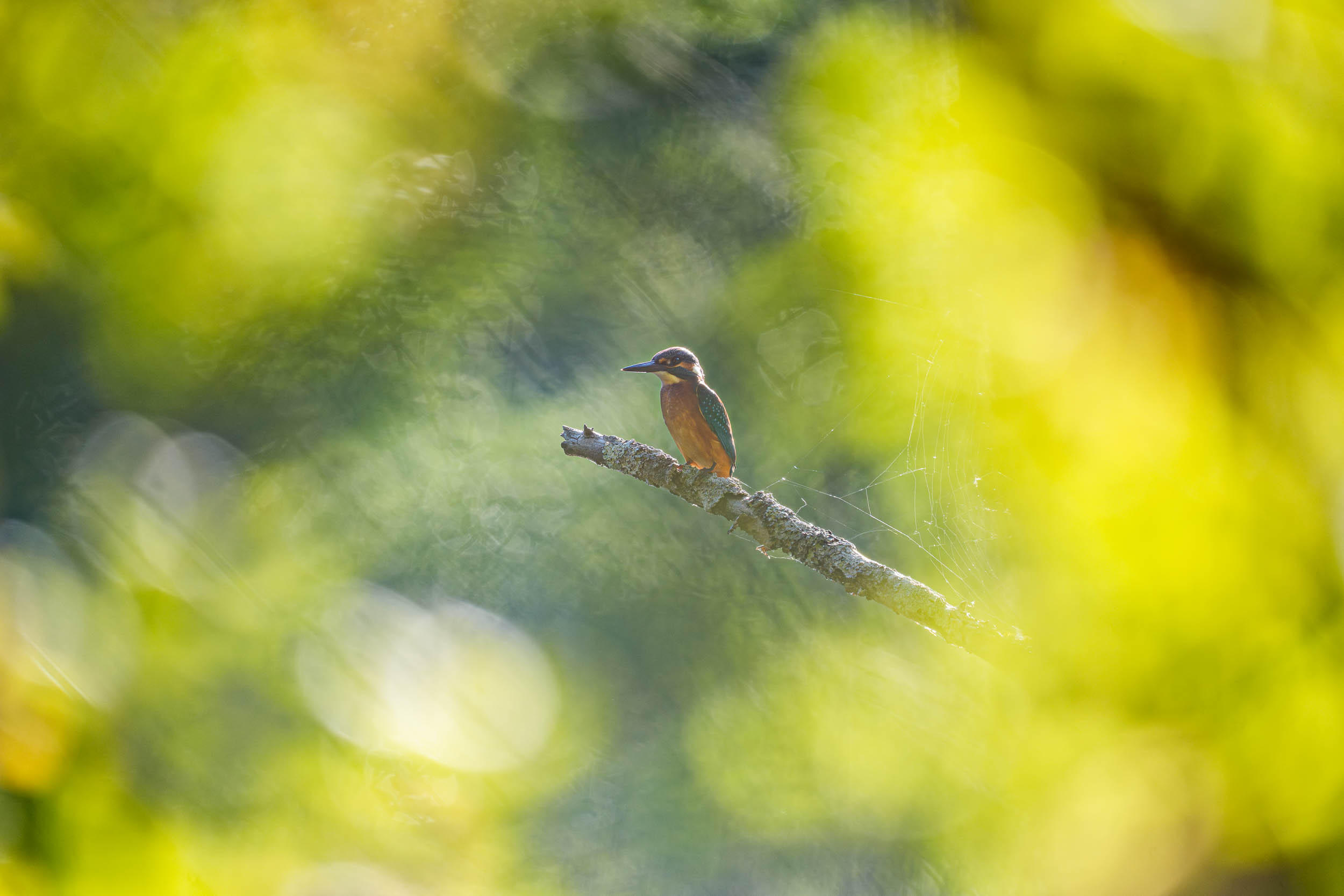

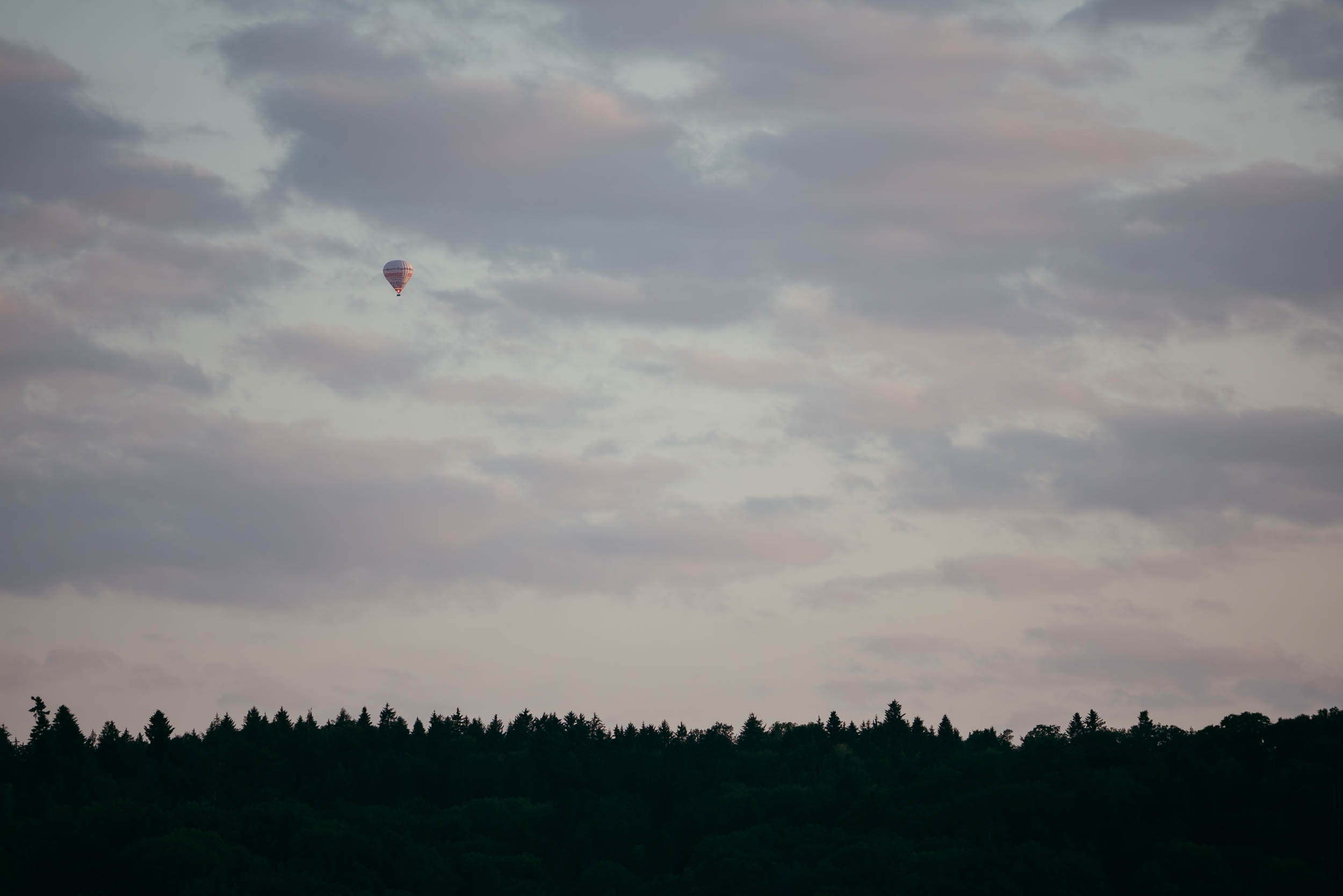
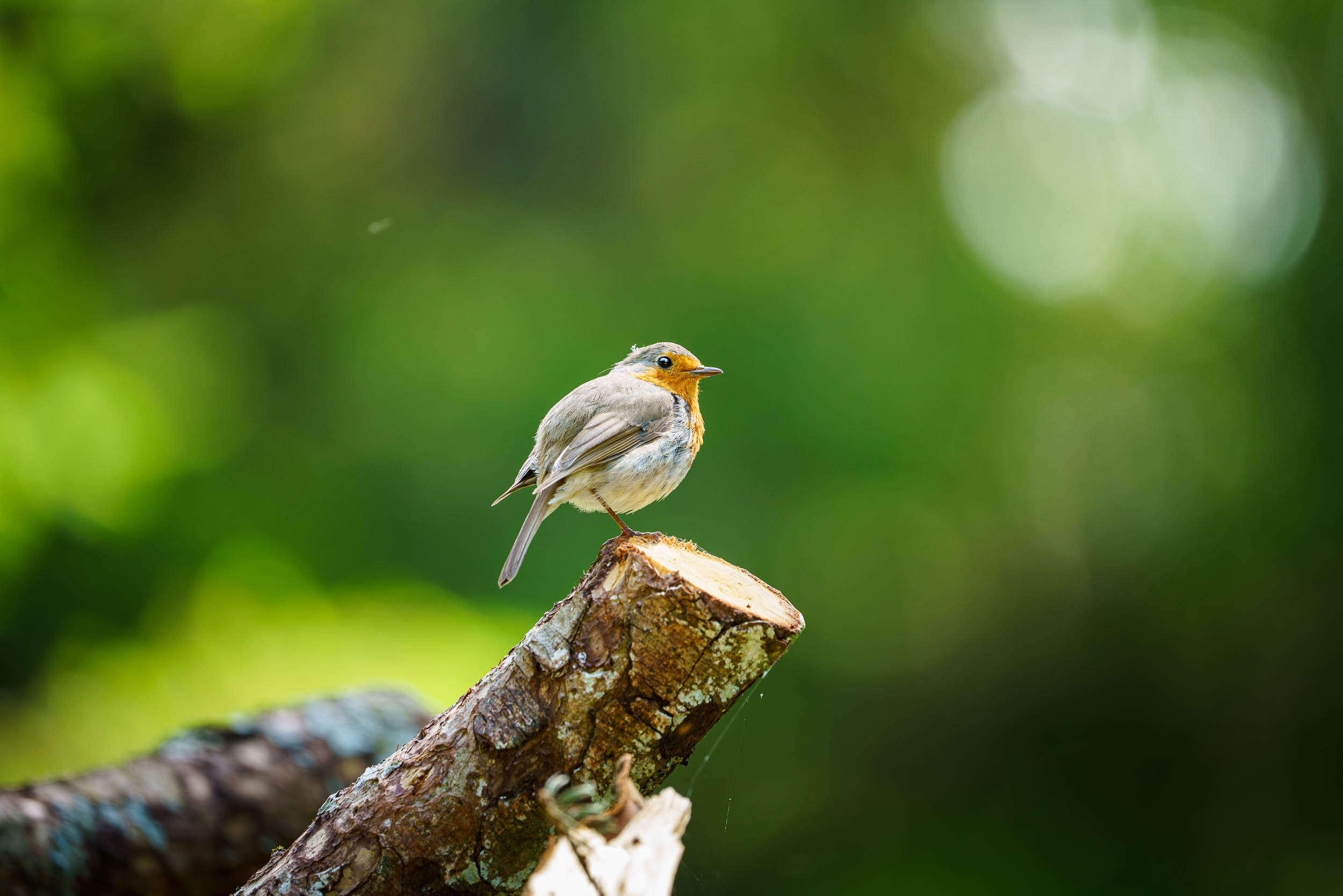
Direct Comparison with the 100-400 GM
In direct comparison, it quickly becomes clear that both lenses have different focal points. The 100-400 GM is more compact, lighter, and faster, making it particularly attractive for travel. The 200-600 G scores with an internal zoom, less chromatic aberration, sometimes better image stabilization, and a significantly more attractive price.
| Aspect | 100-400 GM | 200-600 G |
|---|---|---|
| Magnification | Better (4x at 100mm) | Lower (3x at 200mm) |
| Image Quality | Good | Slightly better, less CA |
| Max Aperture | f/4.5-5.6 (faster) | f/5.6-6.3 |
| Price | Higher | More affordable |
| Size & Weight | Compact & light | Larger & heavier |
| Image Stabilizer | Good | Better |
| Zoom Mechanism | External | Internal (less dust-prone) |
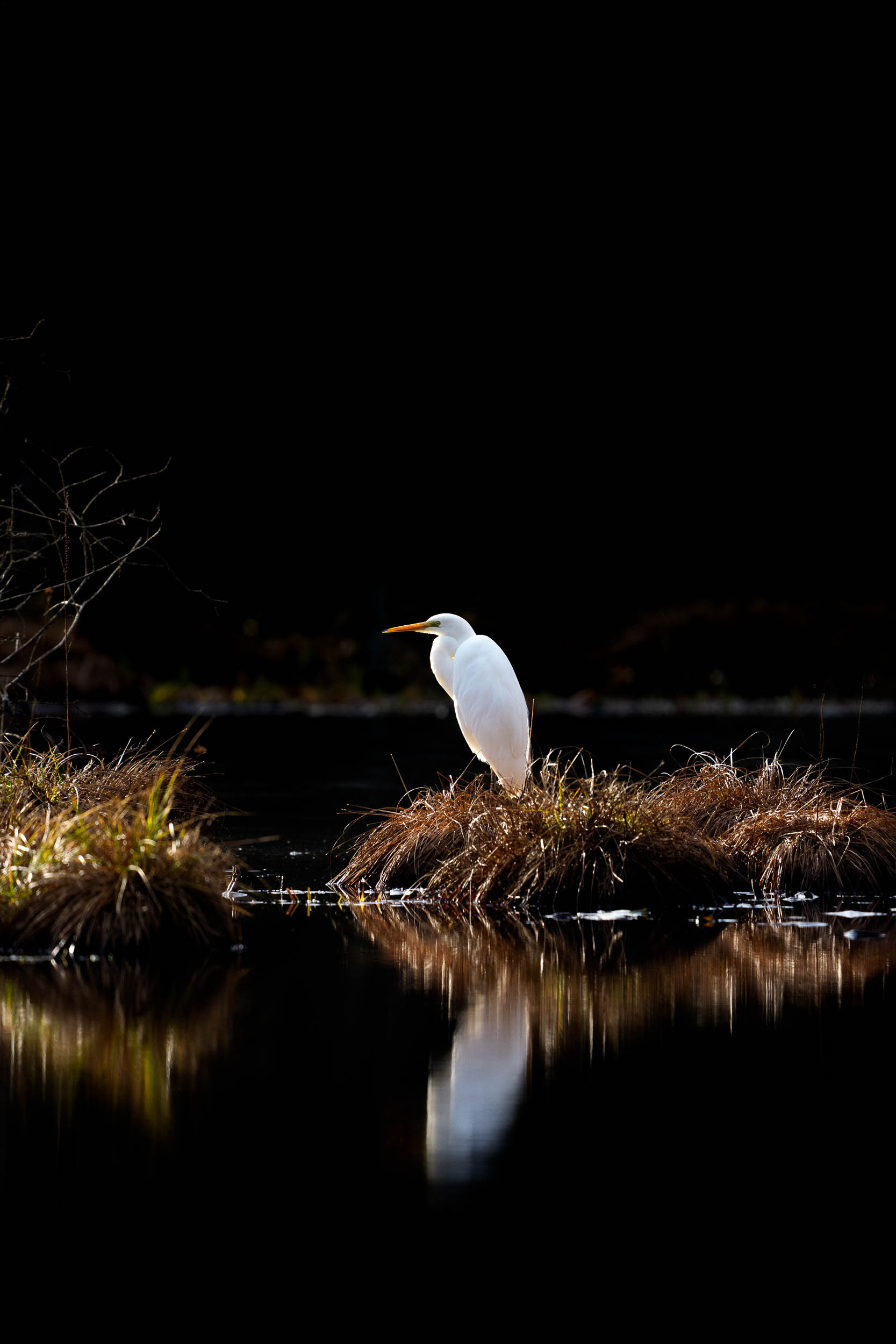
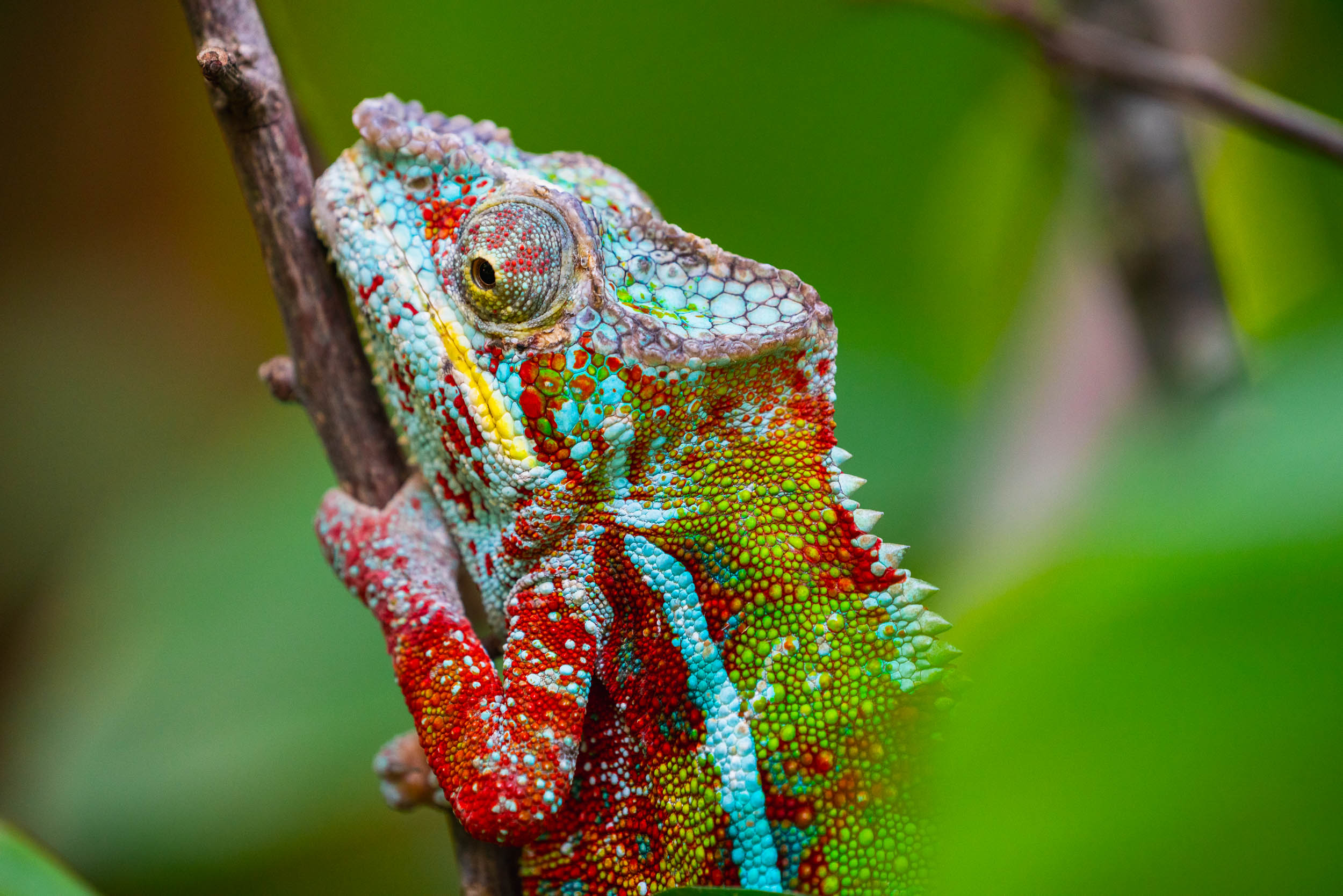
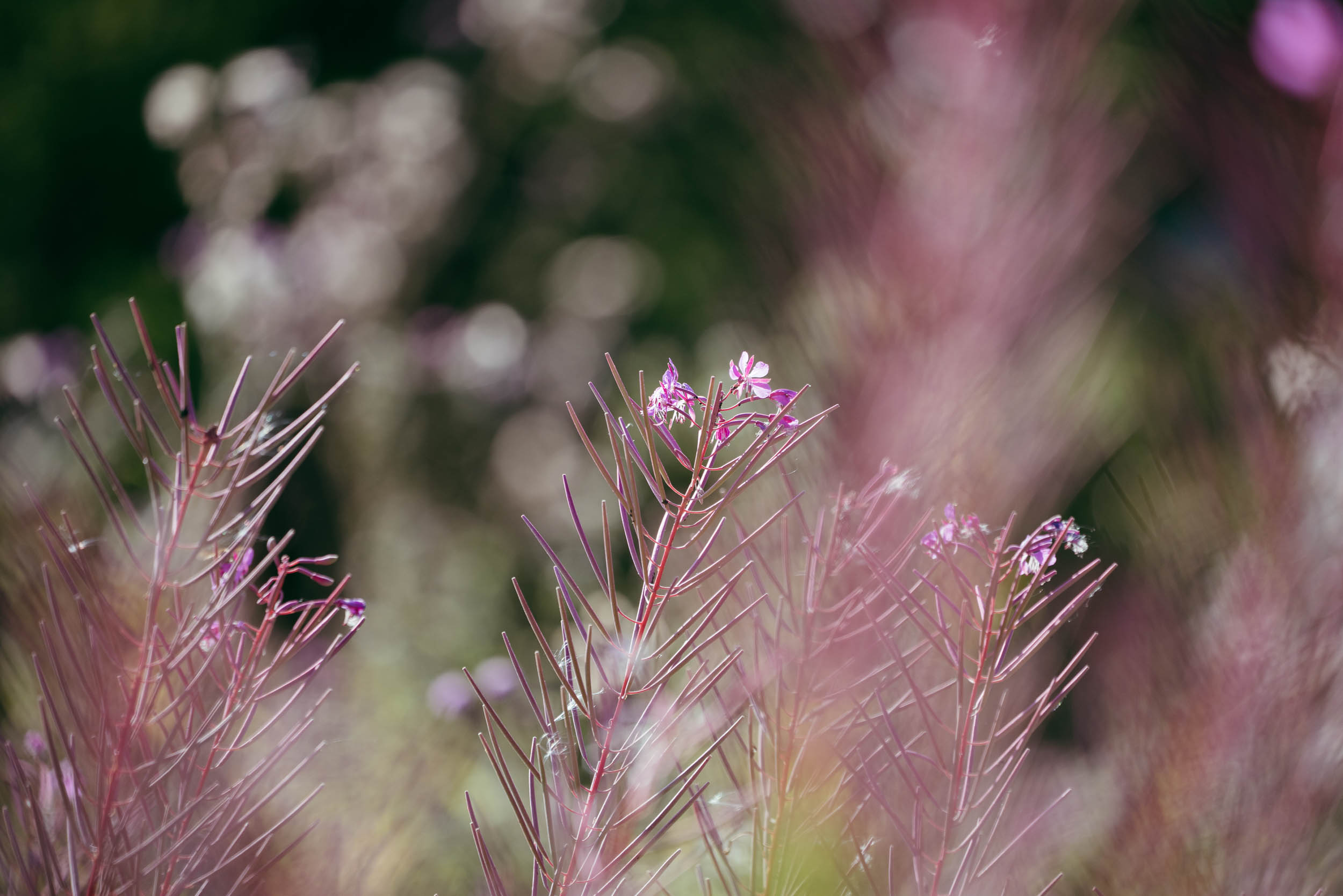
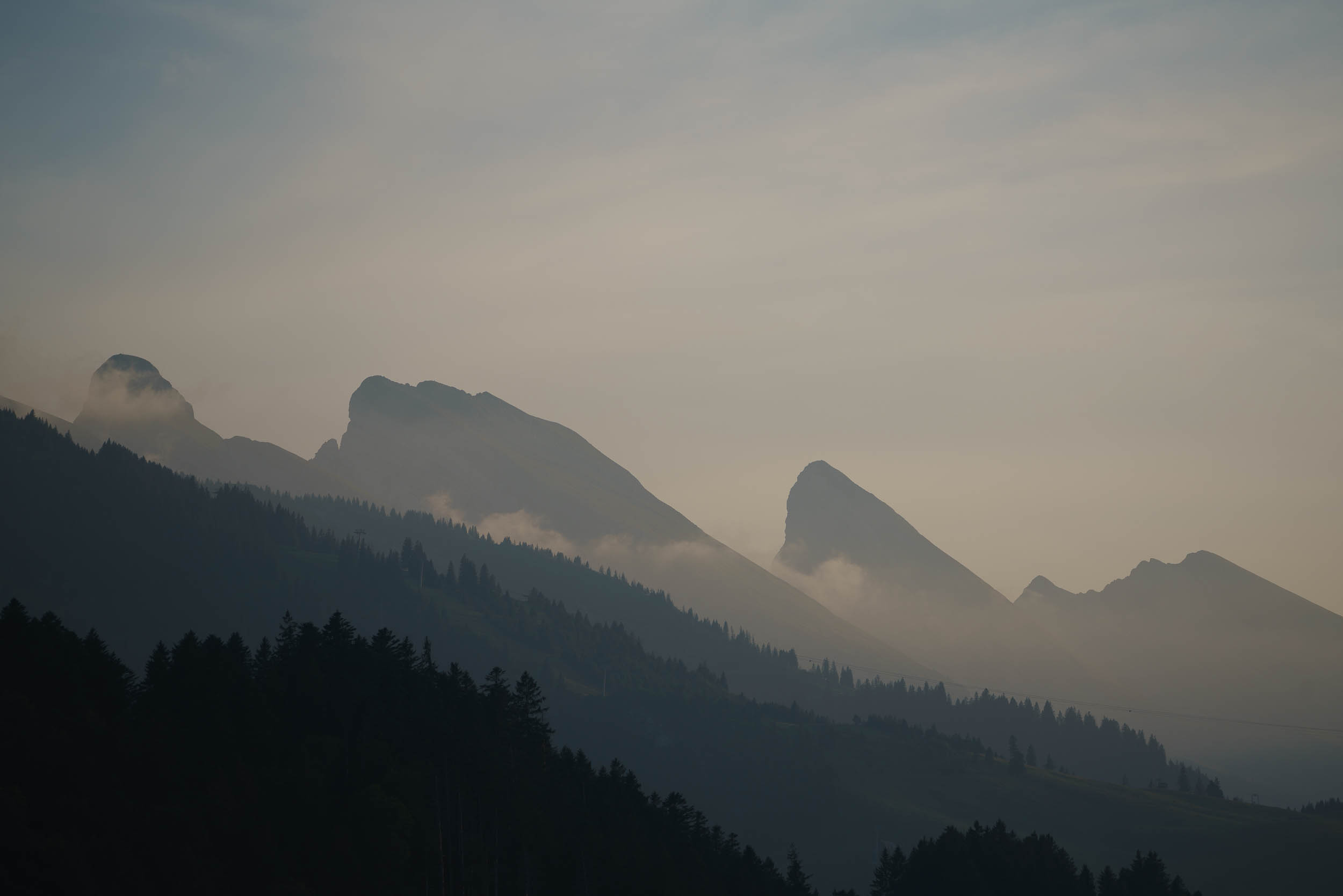
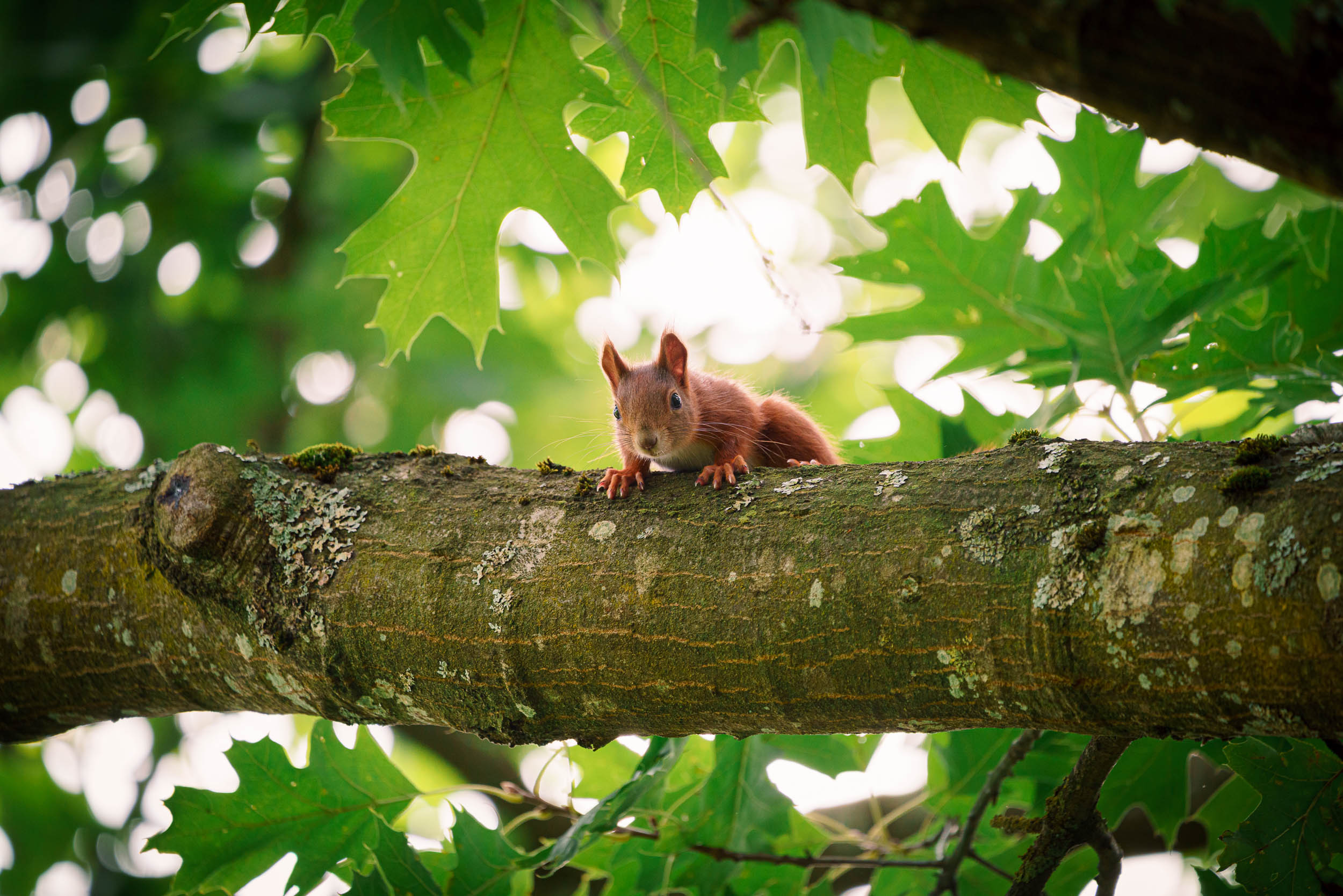
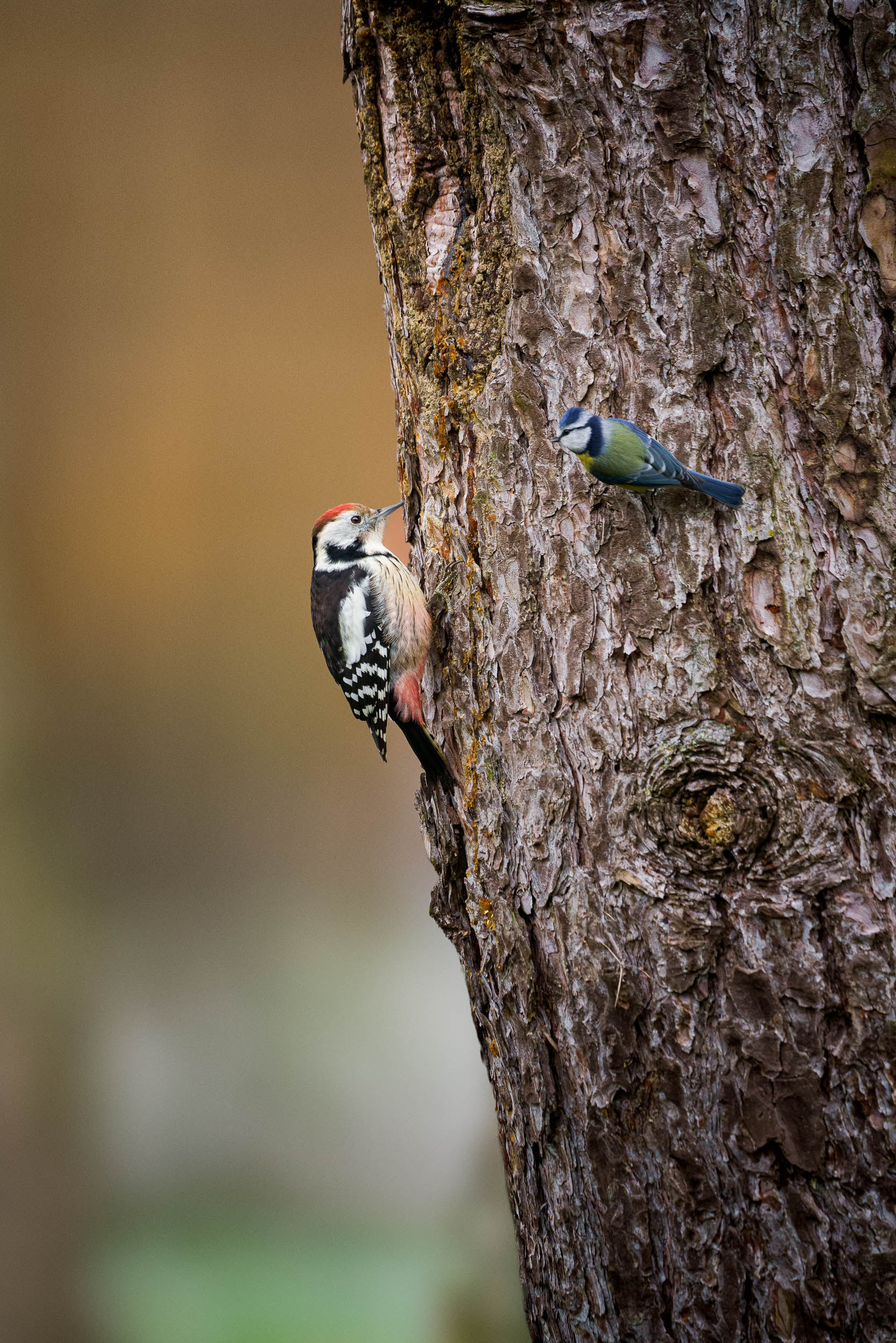
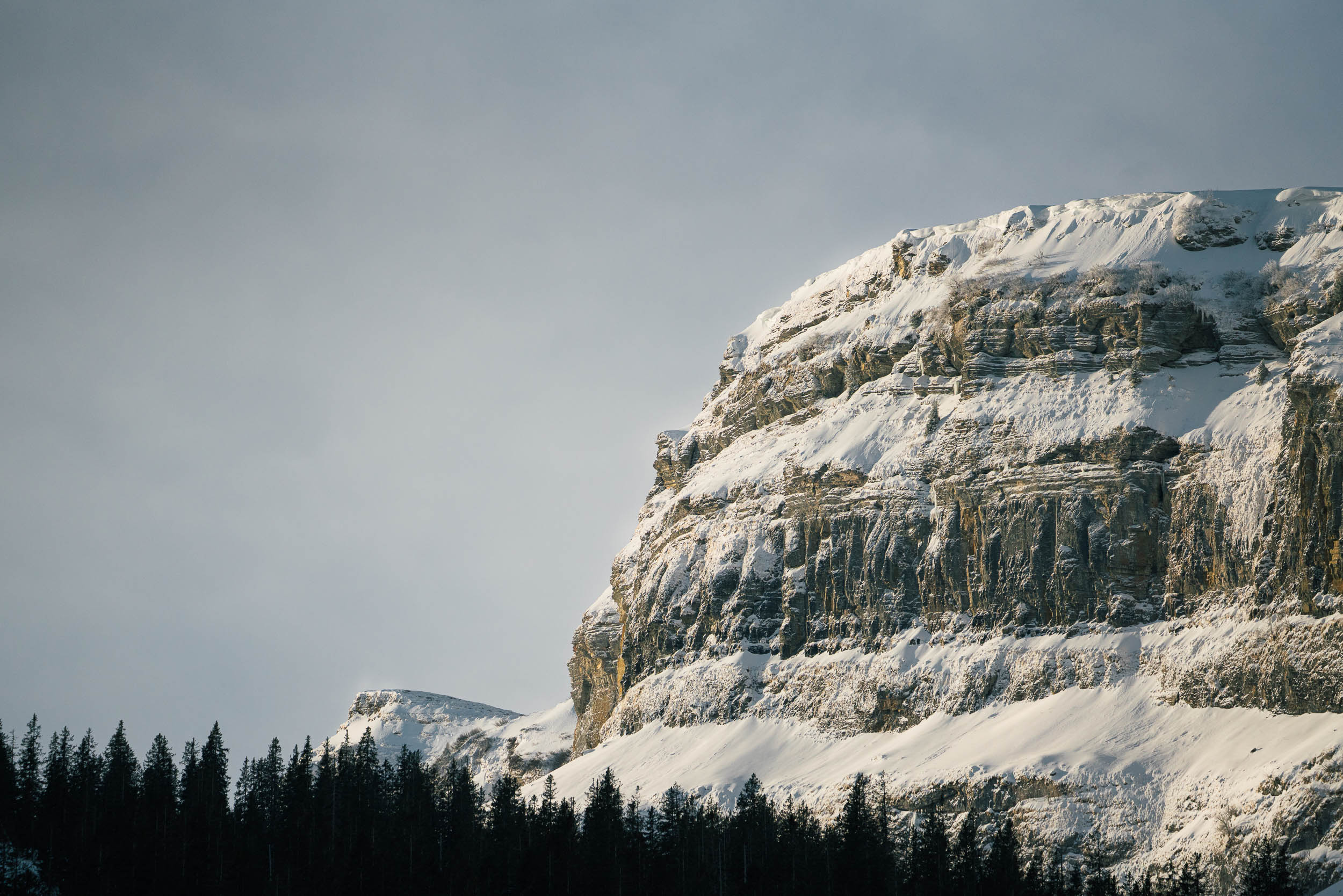
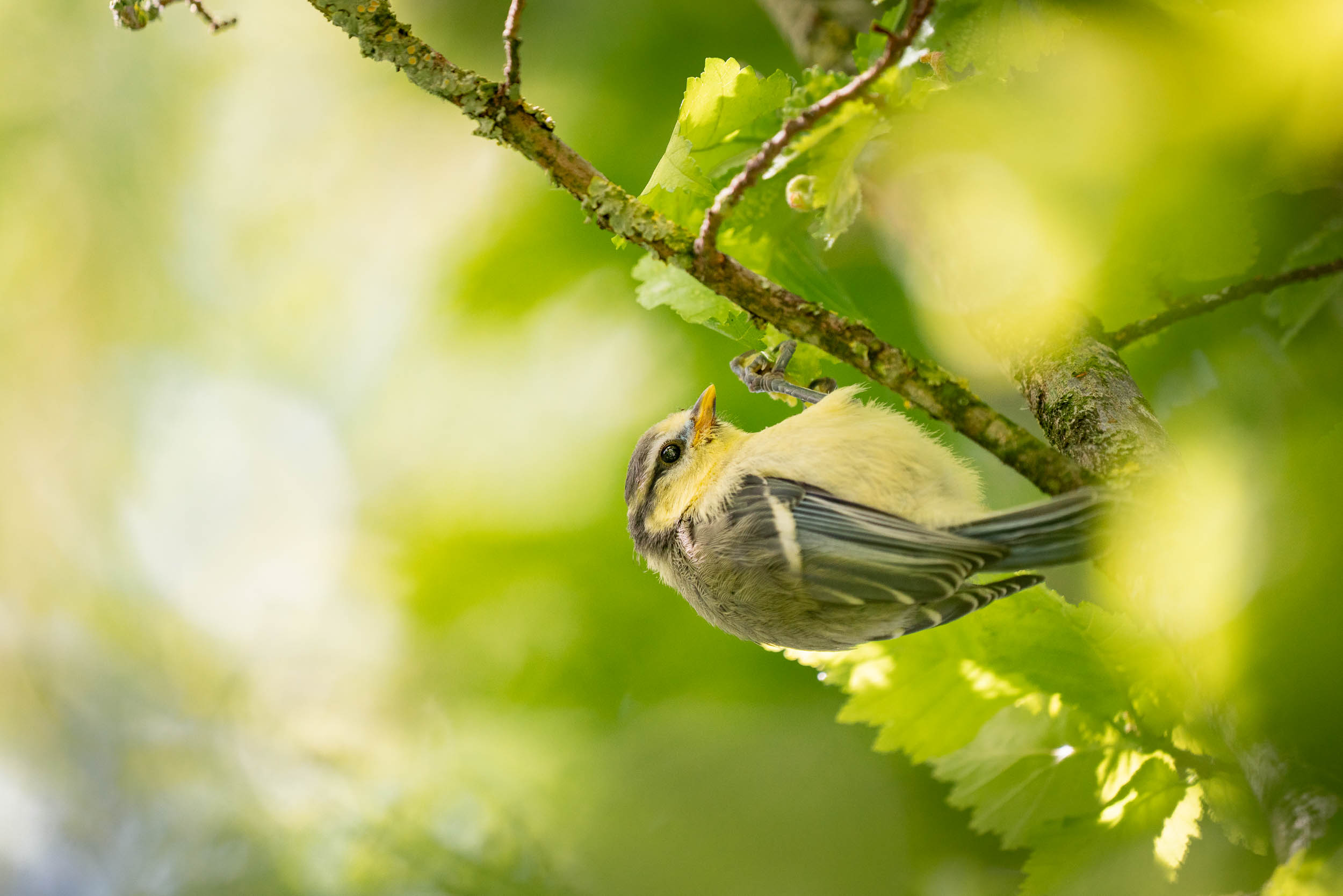
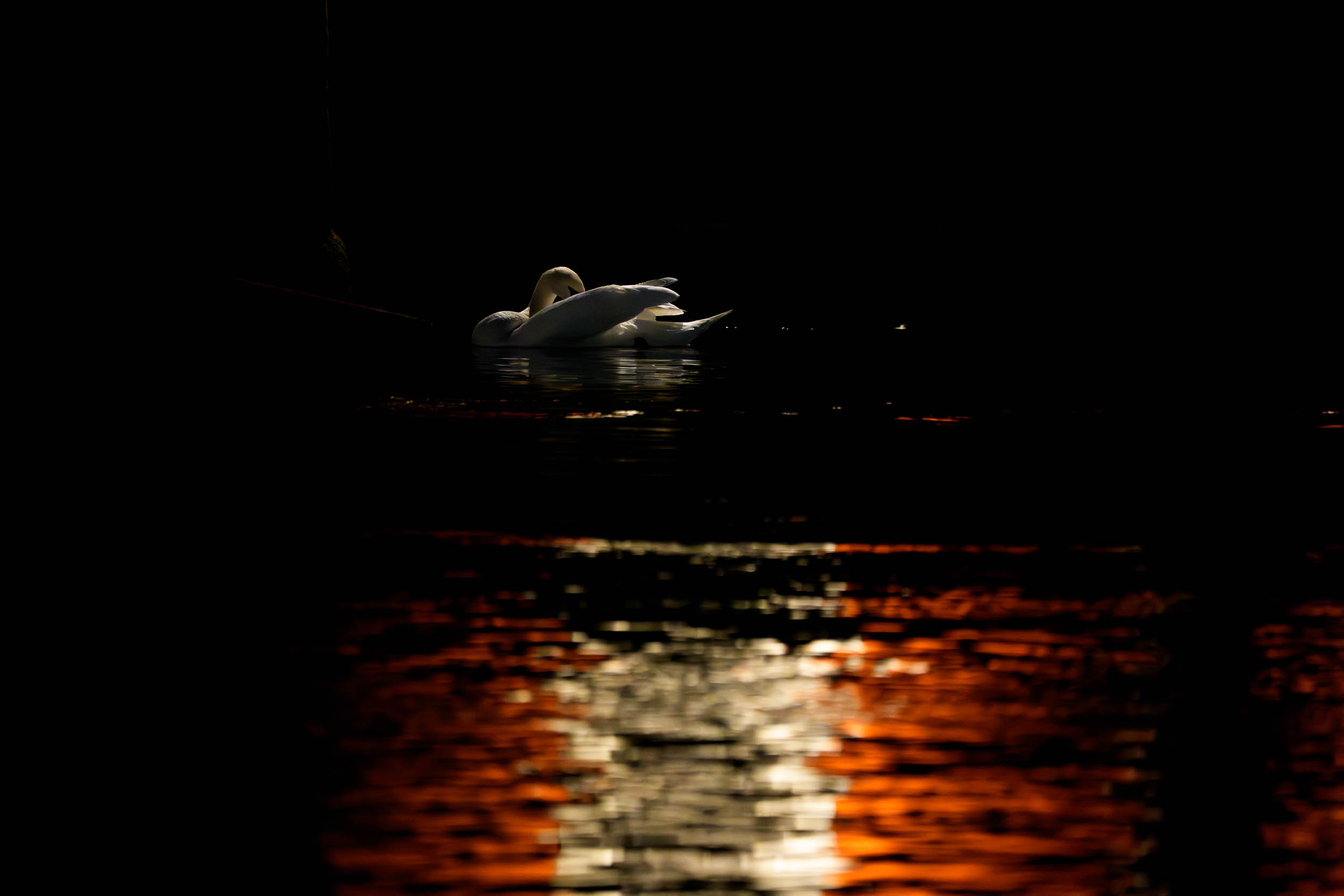
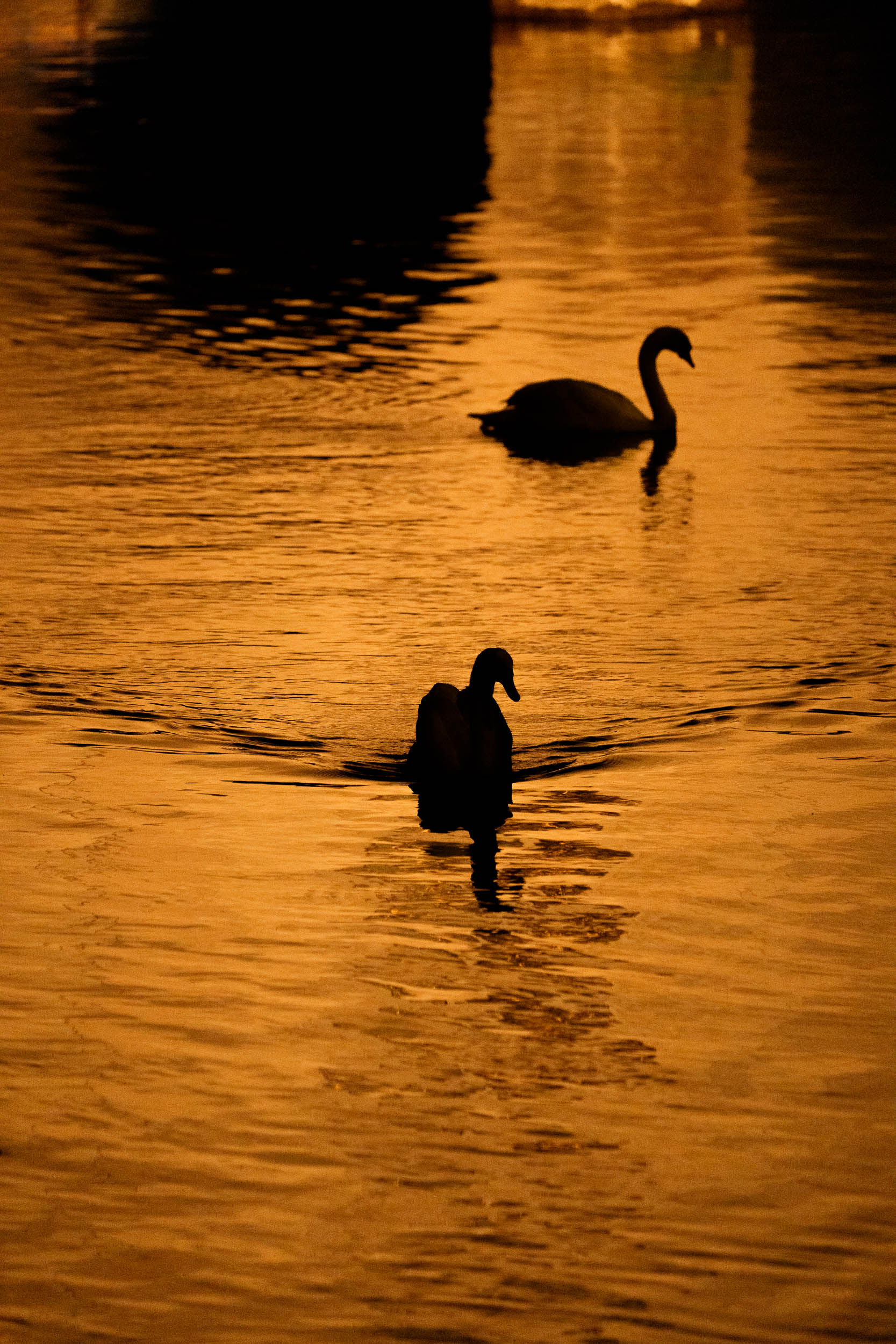
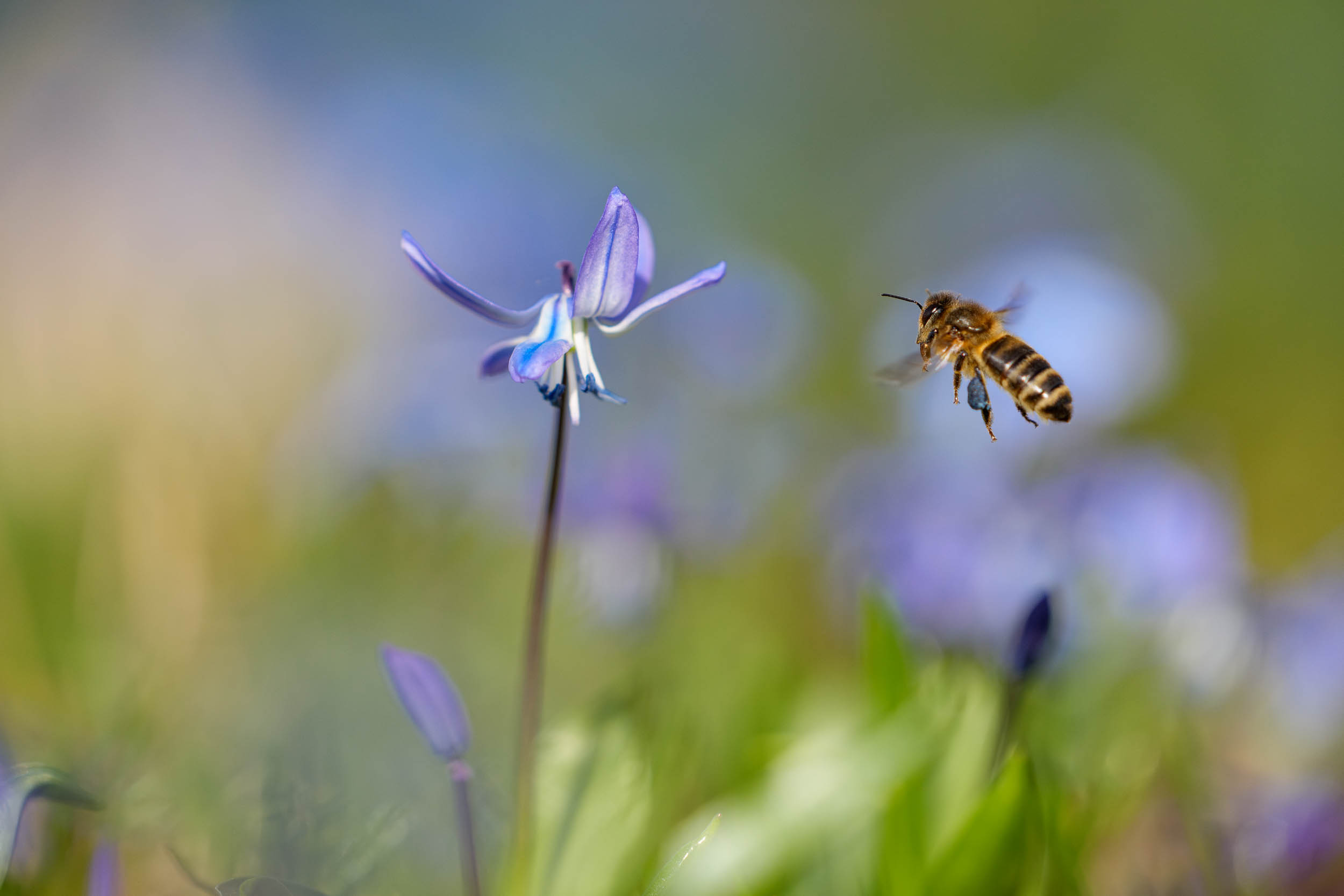
Sony FE 100-400mm f/4.5-5.6 GM Photos



Conclusion
The Sony FE 200-600mm f/5.6-6.3 G OSS is an honest, versatile telephoto zoom. It’s robust, weather-sealed, easy to carry, and delivers convincing image quality. The limited aperture and focus breathing are clear compromises you need to be aware of.
For those who spend a lot of time outdoors, photograph wildlife or birds, and are looking for an affordable, flexible telephoto zoom, the 200–600mm is a reliable companion—with clear strengths and understandable limits.
If you have further questions about my equipment, I’ve written several posts on this:

My Setup
My Setup

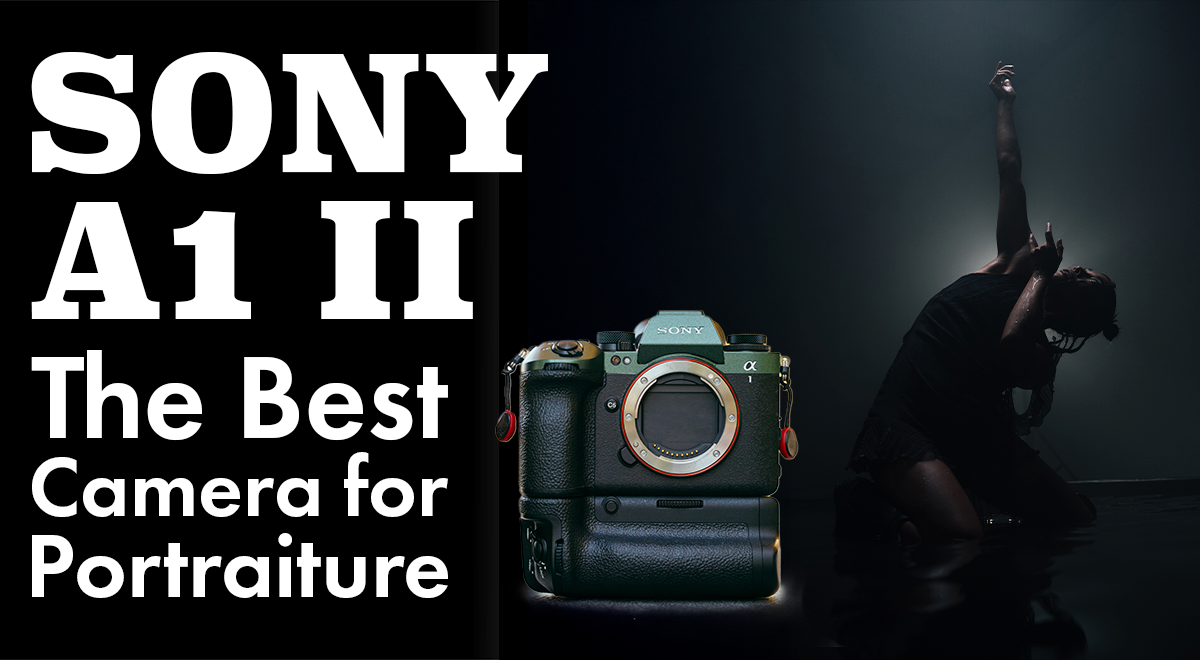
Sony Alpha 1 II
Features
- 50.1 MP Vollformat-Sensor
- 30 fps kontinuierlich
- 8K 30p Video
- 759 Phasen-AF-Punkte
- 7-Achsen Bildstabilisierung

Sony FE 200-600mm f/5.6-6.3 G OSS
Features
- Brennweite: 200-600mm
- Filterdurchmesser: 95 mm
- Durchmesser: 111.5 mm
- Länge: 318 mm
- Gewicht: 2115 g

Sony FE 100-400mm f/4.5-5.6 GM OSS
Features
- Vollformat-Telezoom
- Mindestfokussierabstand: 0,35 m
- Filterdurchmesser: 77 mm
- Optischer SteadyShot
- Gewicht: 1395 g

Sony VG-C5 Vertical Grip
Features
- Vertikalgriff für Sony Alpha-Kameras
- Verbesserte Ergonomie bei Hochformat-Aufnahmen
- Zusätzliche Bedienelemente
- Kompatibel mit Sony A1II


